The United Nations Mission in Libya has stated that several issues with the country's election roadmap require further discussion. According to Mohamed Al-Asadi, spokesperson for the UN Mission in Libya, the mission had previously attempted to work with the House of Representatives and the State Council to resolve issues with the electoral framework. However, the two councils were unable to overcome their differences, leading to a deepening of their divisions.
The disagreement between the councils had significant consequences, including the potential division of the country's electoral commission. The commission has been one of the few unified institutions in Libya. In an effort to break the deadlock, the UN Mission proposed a smaller meeting to discuss the issues hindering the elections and finding solutions. This approach proved successful, leading to a rapid agreement on the commission.
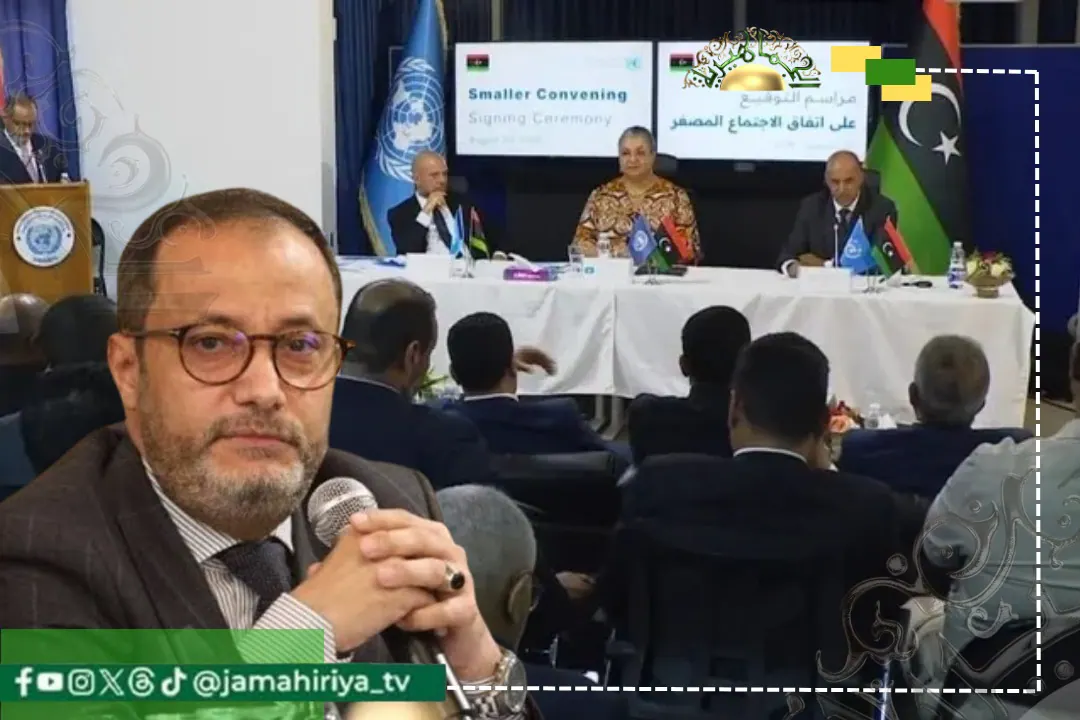
A committee comprising four members from the House of Representatives and four from the State Council met to discuss the contentious issues. Over four and a half months, they reached important understandings, culminating in the signing of an agreement on August 30. The agreement stipulates that elections will be held within 24 months of the signing date. This development is seen as a crucial step towards holding elections in Libya.
However, much work remains to be done. The next steps include completing arrangements for the installation of a new electoral commission, ensuring its financial independence, and operational readiness. Additionally, the UN Mission is awaiting the amendment of the constitutional declaration, adoption of revised electoral laws, and unification of the judiciary. These tasks are essential for creating a conducive environment for credible elections.
Al-Asadi emphasized that some of these tasks can be accomplished if Libyan parties continue to engage in good faith and with a constructive spirit. Nevertheless, certain issues will require further rounds of negotiation. The UN Mission is committed to facilitating necessary discussions to complete these tasks within the timeframe leading up to the elections.
The committee's outcomes included allowing individuals with dual nationality and military personnel to run in the presidential elections, provided they renounce their foreign nationality or resign from their military positions before taking the oath. These developments aim to create a more inclusive electoral process.
The UN Mission's efforts focus on supporting Libyan parties to achieve a peaceful and electoral resolution. The mission's goal is to help Libya move forward with a credible electoral process that is acceptable to all parties involved. Key to this process is the continued engagement and cooperation of all Libyan stakeholders.
Key points
- The UN Mission in Libya has proposed a smaller meeting to discuss issues hindering the elections and finding solutions.
- The agreement stipulates that elections will be held within 24 months of the signing date.
- Much work remains to be done, including completing arrangements for the installation of a new electoral commission.