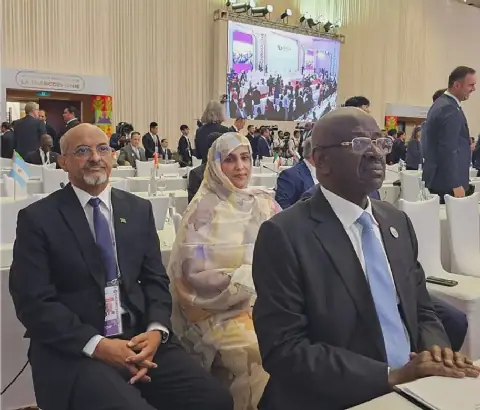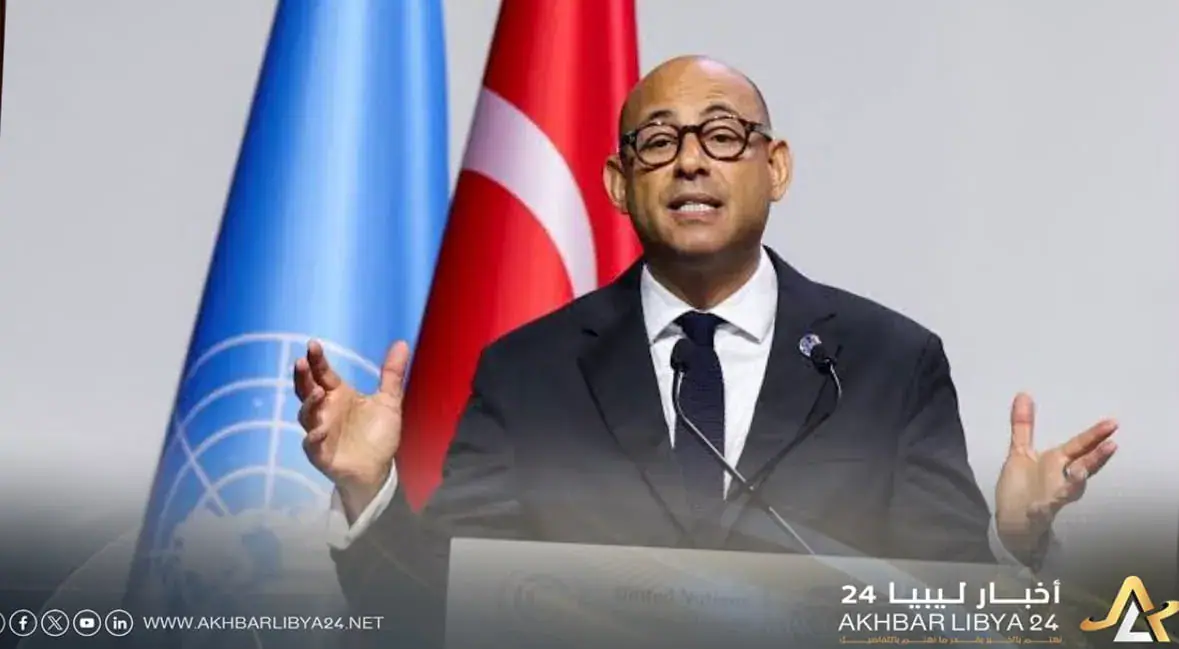
UN climate chief Simon Stiell has urged negotiators at COP31 in Turkey to accelerate talks and address contentious issues, warning that tactical delays could derail the conference. With the summit entering its second and final week, Stiell emphasized the need for precise negotiations and mutual concessions to achieve a unified agreement among participating countries. He stressed that success will require all parties to be willing to make concessions.
This year's negotiations face significant international challenges, including ongoing wars and inflation, which have led some governments to prioritize these issues over climate change. These global crises have contributed to a decline in the urgency of climate action, making it more difficult to reach a consensus on more ambitious climate measures. Key disagreements among participating countries center on the future of fossil fuels.
Major fossil fuel-producing and consuming countries, such as Saudi Arabia and Russia, oppose language that would impose strict targets or clear commitments to accelerate the transition away from traditional energy sources. In contrast, large developing economies like India are cautious about measures they believe could limit their development paths and energy choices. These divisions have impacted previous climate agreements and remain a significant obstacle to achieving clearer international commitments.
Turkey, the host country, and Australia, which is leading the negotiations, face the challenge of reconciling divergent positions to achieve progress on reducing emissions. An agreement is needed to limit the worst effects of climate change as the world faces rising temperatures. The US, the world's largest oil consumer, is absent from the talks for the second consecutive year under President Donald Trump, who views climate change as a hoax and supports continued fossil fuel use.
In an effort to advance negotiations, Turkey is working to include a proposal to expand global reliance on electricity as a key aspect of the conference's final document. The plan involves accelerating the replacement of fossil fuel-powered equipment and vehicles with electric alternatives, which could lead to faster emission reductions. However, the proposal does not require increased electricity use to be based on renewable energy sources.
The negotiations take on added significance in light of scientific warnings about global warming. A recent UN report found that the world is on track to exceed the 1.5°C limit above pre-industrial levels, which scientists consider crucial to mitigating the most severe effects of climate change. Stiell stated that while participation among delegations has been constructive, the next phase requires addressing fundamental disagreements and accelerating work on crafting consensus.
The outcome of the final week of negotiations will test the ability of participating countries to overcome their differences on energy and climate commitments and reach a common formula that reflects the extent of international cooperation possible in the face of climate change. Key issues, including the future of fossil fuels and more ambitious climate targets, remain to be resolved.
Key points
- UN climate chief Simon Stiell urges COP31 negotiators to accelerate talks and address contentious issues.
- Divisions over fossil fuels hinder ambitious climate deal.
- The world is on track to exceed the 1.5°C limit above pre-industrial levels.
Reporting sources
- مسؤول الأمم المتحدة للمناخ يدعو إلى تسريع مفاوضات كوب31 وتجاوز الخلافات · Akhbar Libya 24