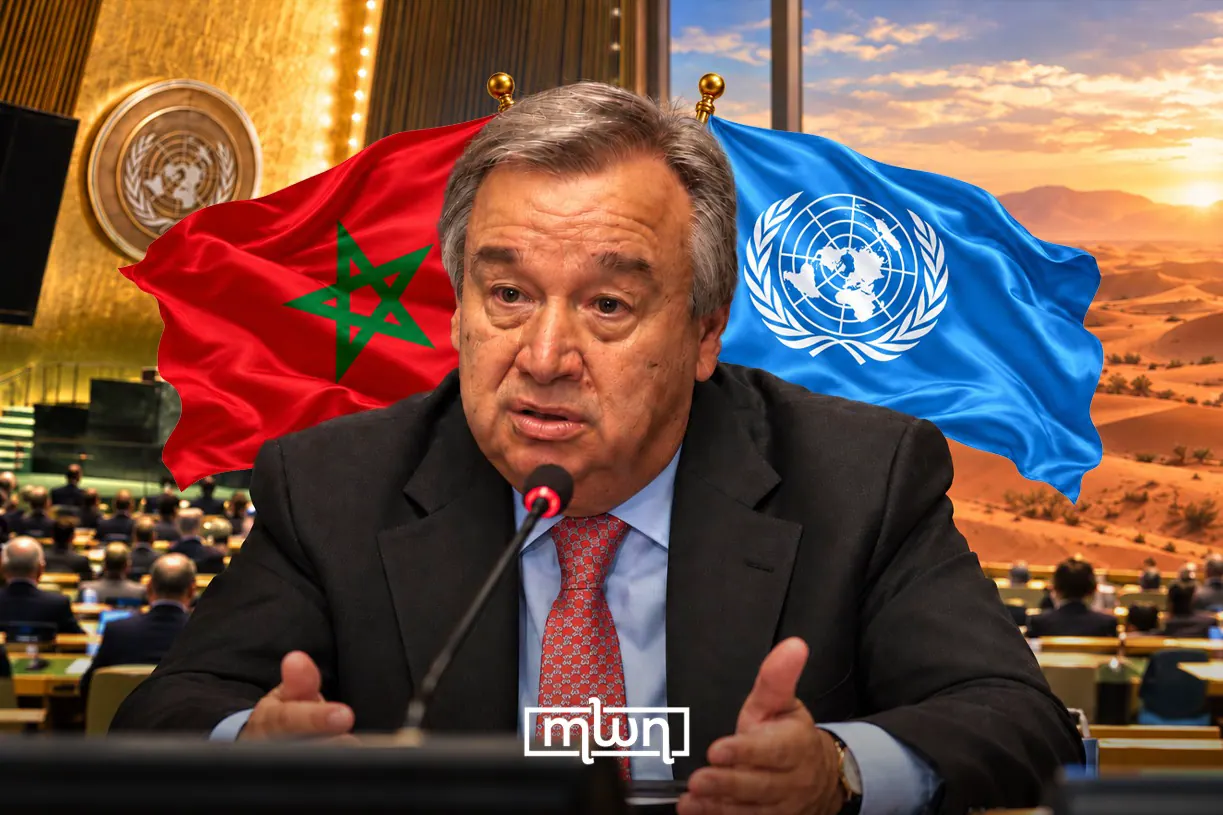
The UN Secretary-General, Antonio Guterres, has released his annual report on the situation in Western Sahara, recognizing the viability of UN Security Council Resolution 2797 in reviving negotiations around the long-standing dispute. Guterres said that despite challenges hampering the process, prospects for tangible progress towards a settlement of the conflict remain. The report was expected to be officially published on October 16.
The UN Security Council adopted Resolution 2797 in October 2025, which the international community described as a historic step toward a lasting resolution of the regional dispute. The resolution came to end the stagnation of the UN-led political process, with the US stressing the need to find a settlement to the lingering 50-year-old dispute. The resolution also confirms Morocco’s Autonomy Plan as the only or the most feasible basis to end the conflict.
Guterres reiterated the importance of the resolution, stressing that it gave renewed momentum to the political process, citing three rounds of direct negotiations that the US, as the Security Council penholder on Western Sahara, facilitated between the main parties to the dispute, including Algeria, Polisario, Mauritania, and Morocco. The talks came for the first time in seven years, with Guterres recalling efforts from the UN and the US and their continued work with the main parties to develop a roadmap towards a just, lasting, and mutually acceptable political solution.
The UN website has included a clickable link to the report, but the link currently does not lead to the document. Reports suggest that the link is expected to become active and lead to the full report by October 16, when the report is expected to be officially published. Guterres also acknowledged he is concerned about the situation in the region, amid “low-intensity hostilities” that continued for nearly six years.
The top UN official also strongly called for enhanced and renewed international engagement by Member Stations and regional organizations to “ensure that all agreements reached are supported by international guarantees for their full implementation,” and urged all parties to engage in coordinated negotiations to explore the possibility of achieving genuine autonomy for people of the Sahara. He said genuine autonomy could “represent the most feasible outcome” in accordance with Resolution 2797.
Prior to the report, the US had been firm in stressing that the dispute over Western Sahara should end, noting the importance of the Moroccan Autonomy Plan as the only feasible political solution to end the dispute. In September, US Ambassador to the UN Mike Waltz met with a delegation from the separatist group of Polisario, shutting down their outdated claims and narratives pushed and backed by the Algerian regime.
Algeria’s role in the dispute has been significant, as Polisario and its sponsors in Algiers have been attempting to deny the changing reality on the ground by continuing to embrace their outdated narratives and pushing for an already sidelined referendum on self-determination. De Mistura, the UN Personal Envoy for Western Sahara, held a conference on November 5 last year, describing the resolution as important as it demonstrates renewed international momentum for resolving the dispute.
Key points
- The UN Secretary-General's report recognizes the viability of UN Security Council Resolution 2797 in reviving negotiations around the Western Sahara dispute.
- The resolution confirms Morocco’s Autonomy Plan as the only or the most feasible basis to end the conflict.
- The UN is calling for enhanced international engagement to ensure agreements reached are supported by international guarantees for their full implementation.