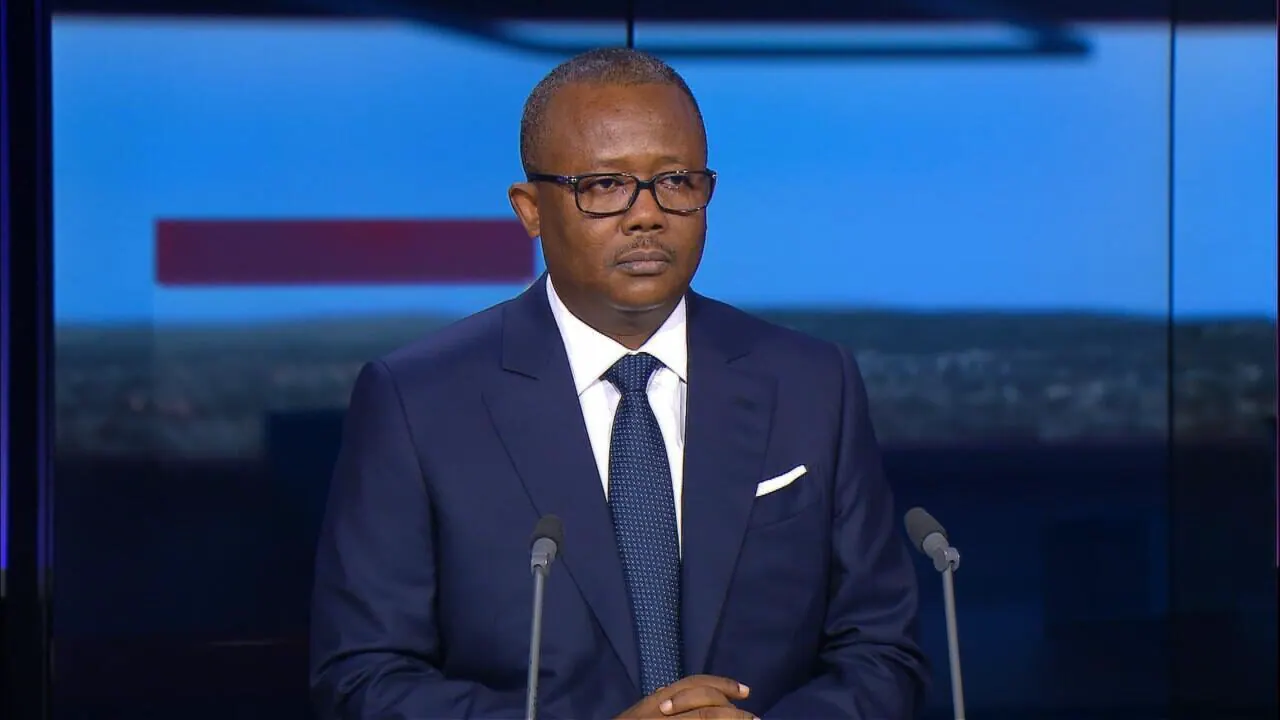
Former Guinea-Bissau President Umaro Sissoco Embalo, currently in exile in Morocco, has announced his intention to return to the country and participate in the presidential election scheduled for December 6. Embalo, who was ousted in a military coup 10 months ago, stated that he will be a candidate in the election. He expressed his intention to return to Guinea-Bissau, but did not specify a date. Supporters of his party have suggested a possible return on October 4, but this has not been confirmed.
Guinea-Bissau has been under military rule since November 26, 2025, when Embalo was overthrown and the electoral process was suspended. The military justified their intervention as necessary to preserve national security and restore order, citing a project to destabilize the country linked to narcotrafficking. However, many observers suspected that Embalo had orchestrated the coup to interrupt the electoral process, as he seemed to be struggling. These accusations have not been substantiated.
The transitional president, General Horta N'Tam, has stated that no citizen can be prevented from returning to the country if they have nothing to reproach themselves for. He also affirmed that critics of the junta are free to return to Guinea-Bissau. According to the transition charter adopted in December 2025, General Horta N'Tam is not eligible to run in the next presidential election.
The general election scheduled for December 6 is expected to mark the return of civilians to the head of the country. However, the context remains tense, particularly after the adoption of a new Constitution approved by referendum on August 30 with 70% of the votes. The text provides for the replacement of the semi-parliamentary system with a strengthened presidential regime, giving the head of state the power to appoint and dismiss the Prime Minister and government members, as well as dissolve Parliament.
The referendum was contested by part of the opposition, which had called for a boycott. The PAIGC, the historic party that led the country to independence in 1974, denounced a consultation organized in a context of restriction of public freedoms. On the legal level, political analyst Malam Cissé estimates that nothing opposes Embalo's return. He recalls that the former president was evicted by a coup and did not sign a document renouncing his functions.
Guinea-Bissau, a small lusophone country in West Africa, has experienced several coups and attempted coups since its independence from Portugal. Political instability and poverty have also favored the implantation of narcotrafficking networks, which use its territory as a transit zone for cocaine between Latin America and Europe.
Embalo's return and candidacy add a new chapter to the country's complex political landscape. The international community is closely watching the situation, as Guinea-Bissau struggles to consolidate democracy and stability. The country's future will depend on the success of the upcoming election and the willingness of its leaders to work towards peace and prosperity.
Key points
- Umaro Sissoco Embalo to run in Guinea-Bissau's presidential election on December 6.
- Embalo was ousted in a military coup 10 months ago and has been in exile in Morocco.
- The election is expected to mark the return of civilians to the head of the country, but the context remains tense.