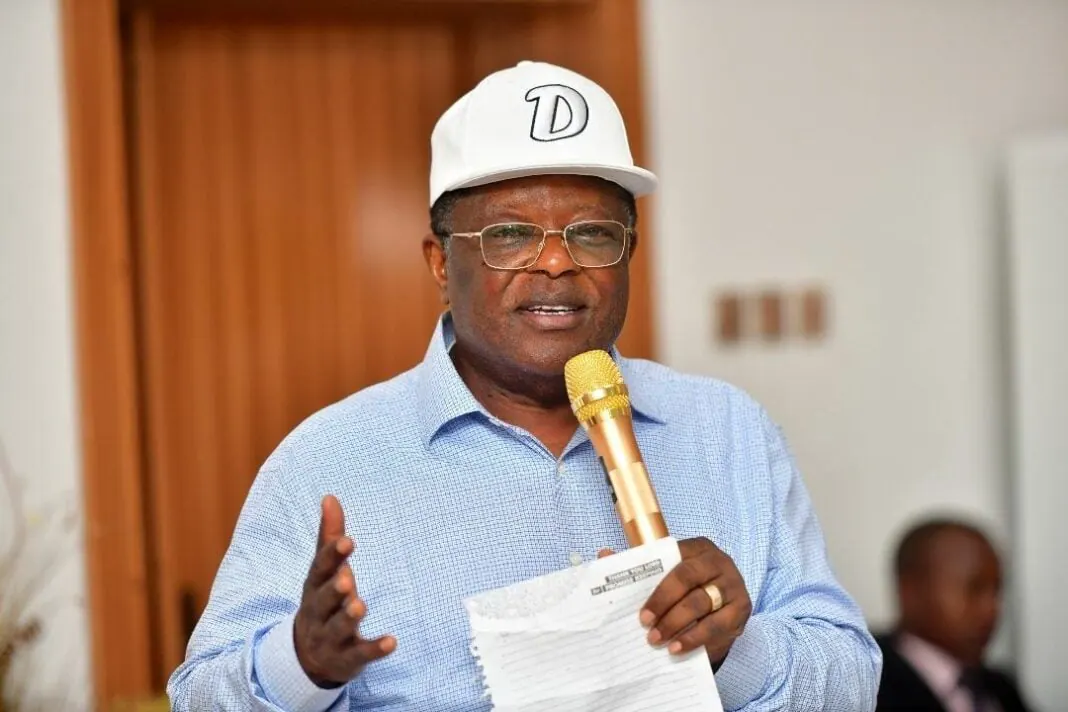
Nigeria's Works Minister, David Umahi, has instructed contractors handling the Calabar-Ebonyi-Benue-Kogi-Nasarawa-Abuja Superhighway project to open multiple work fronts and accelerate construction activities. This directive was given during an inspection of the ongoing project, where Umahi emphasized the need for sufficient manpower and resources to ensure timely delivery. The project aims to connect major cities across Nigeria, improving infrastructure and economic development.
The minister's directive is crucial in overcoming engineering challenges encountered along the route, including rivers and swampy sections. Contractors must find innovative solutions to difficult terrain without compromising the quality or durability of the highway. Umahi stressed that construction should progress simultaneously at different locations to meet the project's deadline. He also ordered that no building should be demolished without further technical assessment, ensuring that existing structures along the alignment are protected.
During the inspection, Umahi directed the contractor handling Section Two to open at least three work fronts. He also emphasized the need for technical adjustments to the alignment where required, particularly around sharp curves and built-up areas. These modifications will not impose additional costs on the Federal Government under the financing arrangement. The minister commended the project team for the significant progress made since his previous inspection.
The Calabar-Ebonyi-Benue-Kogi-Nasarawa-Abuja Superhighway project is generating direct and indirect employment opportunities while opening up communities for increased economic activities. According to Barrister Chioma Nweze, Senior Special Assistant to the President on Community Engagements, South-East, the project is consistent with the Federal Government's broader infrastructure and economic-development objectives. Improved connectivity will facilitate the movement of people, agricultural produce, and other goods.
Umahi's directive also focuses on intensifying efforts around river crossings and other difficult portions of Section Two. Temporary motorability will be achieved where necessary to enable movement while permanent works continue. The minister expressed satisfaction with the progress made so far and encouraged the contractor to continue delivering quality work.
The project has made significant progress since Umahi's previous inspection. The minister's commitment to ensuring the project's timely completion is evident in his directives. By opening multiple work fronts and intensifying construction activities, the contractor is expected to meet the project's deadline. The superhighway project will have a positive impact on Nigeria's economy and infrastructure.
The Federal Ministry of Works' intervention in connecting communities across Nigeria's regions has been commended by stakeholders. The Calabar-Ebonyi-Benue-Kogi-Nasarawa-Abuja Superhighway project is a testament to the government's efforts to improve infrastructure and economic development. With the minister's directives, the project is expected to be completed on schedule, providing improved connectivity and economic opportunities for Nigerians.
Key points
- The project aims to connect major cities across Nigeria, improving infrastructure and economic development.
- Contractors must find innovative solutions to difficult terrain without compromising the quality or durability of the highway.
- The project is generating direct and indirect employment opportunities while opening up communities for increased economic activities.