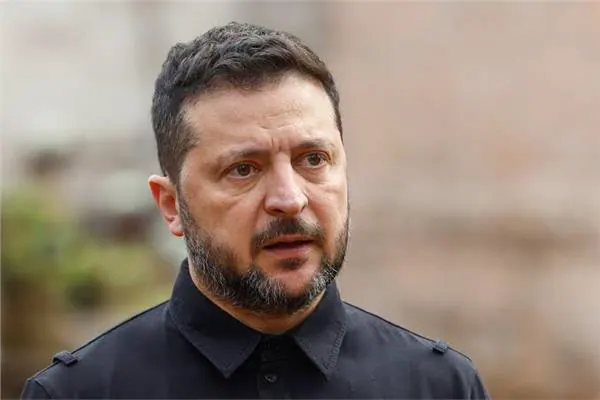
Ukrainian President Volodymyr Zelenskyy has expressed feelings of betrayal over a recent deal between the United States and Russia to supply diesel fuel. The agreement, announced by US President Donald Trump, involves the supply of 4.8 million tons of Russian diesel to American and global markets. In return, the US has temporarily lifted sanctions on Russian diesel exports until April next year. Zelenskyy described the deal as "a bad thing" as it enables Russia to generate revenue that will fund its military efforts.
The diesel deal has raised concerns in Ukraine, which has relied heavily on US military, financial, and intelligence support since the war began in February 2022. Zelenskyy's comments reflect the anxiety in Kyiv about the implications of a closer US-Russia relationship. Ukraine views the deal as undermining its position in the face of Russian aggression. The Ukrainian government has been critical of Trump's stance on Ukraine, particularly his comments on the conflict.
President Trump has previously expressed skepticism about Ukraine's military actions against Russian targets, describing attacks on Russian oil refineries as "a bad thing". This stance has been seen as a departure from the Obama-era policy of providing military aid to Ukraine. The new diesel deal has added to concerns in Ukraine about a shift in US policy towards Russia. Zelenskyy's government is seeking to maintain US support amid an increasingly complex situation on the ground.
The US-Russia diesel deal has sparked debate in Washington about the implications of easing sanctions on Russian energy exports. The agreement has been seen as a pragmatic move to stabilize global energy markets, but critics argue it will benefit Russia at a time when Ukraine is fighting for its territorial integrity. The deal has also raised questions about the long-term impact on Ukraine's energy security and its ability to withstand Russian pressure.
Ukraine's relations with the US have been strained in recent months, with Kyiv expressing frustration about delays in receiving military aid. The diesel deal has added to concerns about a rift in US-Ukrainian relations. Zelenskyy's government is seeking to maintain a strong relationship with the US, but the recent developments have created uncertainty about the future of this partnership.
The European Union and the US have imposed significant sanctions on Russia since the start of the war, but there are signs of divisions within the international community about how to respond to the conflict. The diesel deal has highlighted differences between the US and European countries about the best way to deal with Russia. Ukraine is seeking to maintain a united front against Russian aggression, but the recent developments have created new challenges.
The implications of the US-Russia diesel deal for Ukraine's energy security and its ability to withstand Russian pressure remain to be seen. The situation is closely watched by policymakers in Kyiv and Washington, who are seeking to navigate a complex and rapidly evolving crisis. The deal has added to concerns about the long-term impact on Ukraine's sovereignty and territorial integrity.
Key points
- Ukraine's President Volodymyr Zelenskyy feels betrayed by a US-Russia diesel deal that he believes will bolster Russia's war efforts.