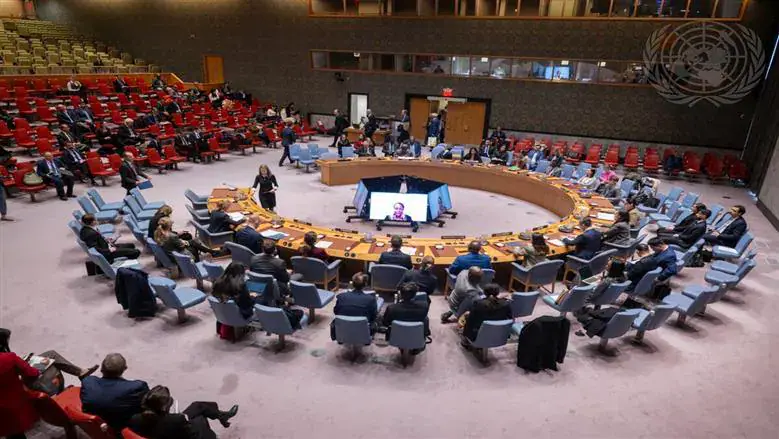
The ongoing conflict between Russia and Ukraine has expanded to the diplomatic arena, with both sides vying for international support and legitimacy. A recent UN Security Council meeting focused on protecting energy infrastructure and food passageways in the Black Sea, revealing the far-reaching consequences of the war. The conflict has now impacted not only the two nations but also global food security and trade.
The UN reported that 17,994 civilians have been killed and 57,854 injured in Ukraine since February 2022, with the actual numbers likely being higher. The attacks have targeted essential infrastructure, including electricity, water, heating, and railways. This escalation has raised concerns about the humanitarian situation and the impact on civilians.
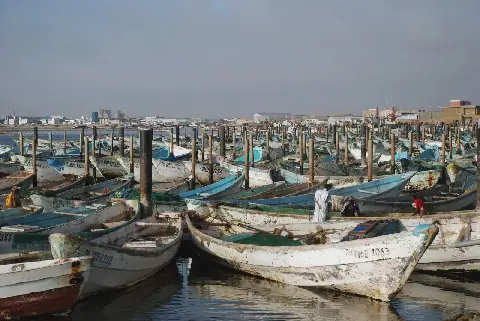
The Black Sea has become a strategic pressure point, linking military confrontation to global economic security. According to a Reuters report, the sea has transformed from a mere commercial passage to a critical area of contention. The UN has documented 164 reports of attacks on commercial vessels between June and October 2023, with 15 verified attacks resulting in 21 deaths and 43 injuries among ship workers.
The UN Security Council faces a significant challenge in addressing the conflict, as Russia, as a permanent member, holds veto power. This limits the council's ability to issue binding decisions against Russia on matters where it uses its veto. Russia claims its strikes target military-related facilities, while Ukraine and its allies accuse Moscow of targeting civilian infrastructure.
The conflict has also sparked a battle for narrative control, with both sides seeking to shape international opinion and legitimacy. The US has been engaged in mediation efforts between Russia and Ukraine, following talks in Abu Dhabi on November 10 and 11, which led to an agreement on a large-scale prisoner exchange. However, a fundamental breakthrough in regional issues and security guarantees remains elusive.
As the parties pursue a negotiated settlement, they are also attempting to solidify their positions and conditions in the UN Security Council. This has led to a situation where international legitimacy has become a factor in the war calculations, although it may not be enough to halt the fighting or impose peace. The struggle for narrative control and international support continues.
The international community remains concerned about the humanitarian and economic implications of the conflict. The UN Security Council's ability to address the situation is constrained by Russia's veto power, highlighting the challenges of resolving the conflict through diplomatic means. The situation in Ukraine and the Black Sea region remains volatile, with ongoing attacks and counter-attacks.
Key points
- The conflict has resulted in significant humanitarian costs, with 17,994 civilians killed and 57,854 injured in Ukraine since February 2022.
- The Black Sea has become a strategic pressure point, linking military confrontation to global economic security.
- The UN Security Council faces challenges in addressing the conflict due to Russia's veto power as a permanent member.