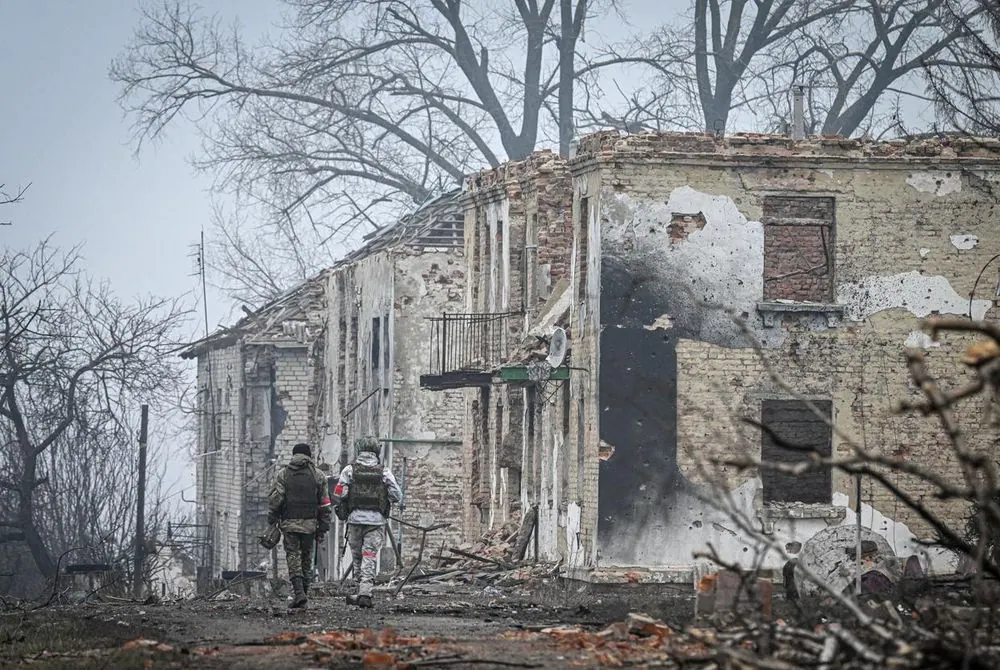
African leaders are being urged to draw important political and economic lessons from the ongoing Russia-Ukraine war. The conflict has highlighted the changing interests of global powers and the consequences for countries that enter geopolitical conflicts without establishing what they stand to gain. The war has been ongoing since 2022 and has resulted in significant human suffering and economic losses. African governments are being advised to be cautious when entering long-term strategic agreements.
Political analyst Luke Zunga said that the changing US position towards Ukraine should remind African governments that major powers ultimately prioritize their own national interests. He noted that Ukraine relies heavily on American support, but the US is increasingly seeking an end to the conflict. Zunga also pointed out that European countries are facing financial constraints and may not be able to sustain their current level of support indefinitely without continued American backing.
Renowned Democratic Republic of Congo expert Jean Bwasa said that the developments offer Africa an opportunity to reassess how it engages with competing global powers. He believes that Africans should understand that Western powers do not necessarily have the continent's interests at heart. Bwasa cited examples of how geopolitical arrangements can be transformed, warning African leaders against forgetting the continent's own historical experiences.
Bwasa urged African leaders to study the emergence of a new generation of political leadership in parts of the Sahel and to draw lessons from Africa's historical liberation figures. He emphasized that Africa should not automatically align itself with Western powers, Russia, China, or any other bloc, but should instead determine its own strategic interests. The continent should focus on its enormous population, resources, and expanding markets to strengthen cooperation and prioritize its own development.
Zunga argued that African governments should recognize that international agreements can be affected by political changes in powerful countries. He warned that African nations should exercise caution when entering long-term strategic agreements and ensure that such arrangements protect their interests regardless of changes in foreign governments. The US approach to Ukraine demonstrates why African nations should be cautious.
The war between Russia and Ukraine will end sooner or later, and African governments need to determine independently when and how to participate in international conflicts, partnerships, and alliances. Rather than becoming instruments in rivalries among powerful nations, Africa can use its resources, population, and markets to negotiate partnerships that advance African security, economic development, and sovereignty.
The continent's response to Ukraine, Palestine, Iran, and other global conflicts should be guided first by African interests. African leaders should prioritize their own development and security, rather than aligning themselves with external powers. By doing so, Africa can ensure that its interests are protected and its development is not compromised by external rivalries.
Key points
- African leaders should draw lessons from the Russia-Ukraine war to prioritize their own interests.
- The conflict highlights the changing interests of global powers and the consequences for countries that enter geopolitical conflicts without establishing what they stand to gain.
- Africa should focus on its own development and security, rather than aligning itself with external powers.