The Sahel region in Africa is witnessing a significant shift in its political landscape as three countries - Mali, Burkina Faso, and Niger - have formed an alliance to challenge Western influence. The alliance, known as the Alliance des États du Sahel (AES), aims to promote African sovereignty and independence. This move has been met with resistance from Western powers, particularly France, which has historically maintained a strong presence in the region. The AES has also quit the Communauté économique des États de l'Afrique de l'Ouest (CEDEAO), which is seen as an instrument of French influence.
The three countries have taken bold steps to assert their independence, including expelling French troops, rescinding military cooperation agreements, and nationalizing key sectors of their economies. Mali's general, Assimi Goïta, has been at the forefront of this movement, with Burkina Faso's Captain Ibrahim Traoré and Niger's General Abdourahamane Tchiani also playing key roles. Traoré, who came to power in 2022, sees Thomas Sankara, a revolutionary leader who nationalized land and launched a literacy program, as his hero and a model for his own revolution.
The AES has also established a joint military force of 5000 soldiers, which has sparked interest from other countries in the region, including Togo. The alliance's message of African sovereignty and independence has resonated across the continent, which has been governed in the interest of Western powers for nearly two centuries. However, Western media has labeled this movement as "instability" and "Russian influence," implying that the countries are being swayed by external forces rather than making their own decisions.
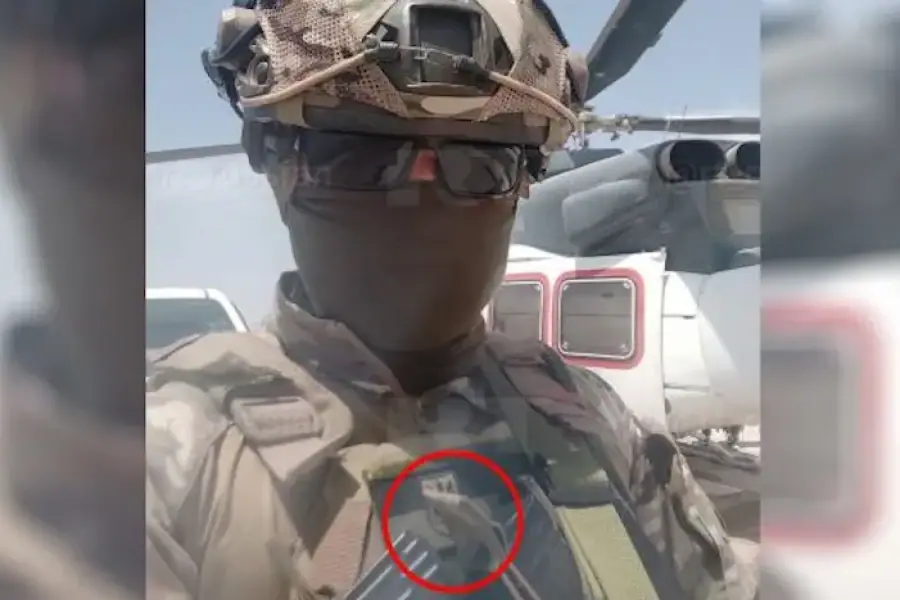
Ukraine has become involved in the conflict, with reports emerging that Ukrainian drone specialists are operating in Mali, training local rebels. The Ukrainian military has confirmed that its agents are working alongside local forces, with the aim of countering Russian influence in the region. However, this move has sparked controversy, as Ukraine is supporting rebel groups that are fighting against the Malian government.
The involvement of Ukraine has raised questions about its role in the conflict and which side it is supporting. The Ukrainian government has claimed that it is fighting against Russian influence, but its support for rebel groups has led to accusations that it is financing terrorism. The governments of Mali, Niger, and Burkina Faso have lodged a joint complaint with the UN, accusing Ukraine of supporting terrorist organizations.
Analysts have noted that Ukraine's support for rebel groups could have far-reaching consequences, potentially aiding extremist organizations such as Al-Qaeda's affiliate in the Sahel, Jama'at Nusrat al-Islam wal Muslimeen (JNIM). The situation has sparked concerns about the escalating conflict in the region and the role of external powers in fueling the violence.
The controversy surrounding Ukraine's involvement in the Sahel conflict highlights the complex geopolitics at play in the region. As the AES continues to grow and assert its independence, it remains to be seen how Western powers will respond and how the situation will unfold. One thing is certain, however: the Sahel region is witnessing a significant shift in its politics, with far-reaching implications for the future of Africa.
Key points
- The Alliance des États du Sahel (AES) has been formed by Mali, Burkina Faso, and Niger to challenge Western influence in the region.
- Ukraine's involvement in the conflict has sparked controversy, with accusations that it is supporting terrorist organizations.
- The situation has raised concerns about the escalating conflict in the region and the role of external powers in fueling the violence.