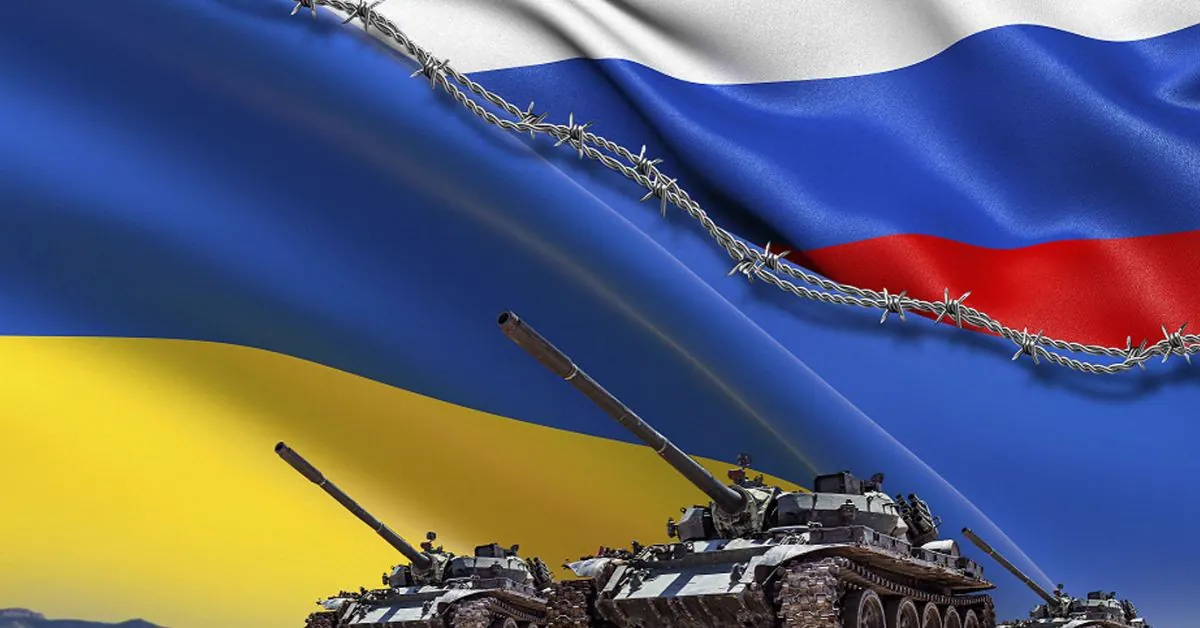
The conflict between Ukraine and Russia has entered a new phase of escalation, with Ukraine carrying out a large-scale drone attack on the Russian capital, Moscow, and other areas. According to Moscow Mayor Sergei Sobyanin, the attack, which occurred on the third and final day of Russia's parliamentary elections, was the largest drone attack on the capital since the war began in February 2022. The attack targeted energy facilities, including the Moscow Oil Refinery.
The Russian authorities reported intercepting around 1110 Ukrainian drones during the nighttime attacks, with Sobyanin later stating that over 1600 drones had been intercepted since Saturday, including around 450 heading towards Moscow. The attack resulted in the deaths of three people in the Moscow region, as well as injuries and material damage. Around 400 people were evacuated after a fire broke out in a residential building in the Ramenskoye area.
The Moscow Oil Refinery, which is part of Gazprom Neft, was significantly damaged, forcing it to suspend crude processing operations. The refinery processed around 11.6 million tons of crude oil in 2024 and produced approximately 2.9 million tons of gasoline and 3.2 million tons of diesel. Sources in the sector indicated that the attack damaged key units within the refinery, which may take several weeks to repair.
Ukrainian President Volodymyr Zelenskyy stated that the Ukrainian long-range strikes had a significant impact on the Moscow region, targeting Russian oil and logistics facilities using Ukrainian long-range weapons. This comes as energy and oil facilities have become a primary battleground between the two countries, with Kyiv intensifying its attacks on Russian refineries and oil facilities in recent months.
US President Donald Trump has urged Zelenskyy to stop targeting Russian oil refineries, citing concerns that these attacks are contributing to disruptions in diesel supplies and rising global prices. Meanwhile, researcher Majd Abi Al-Muney, in a statement to Diwan FM, suggested that the timing of the attack was linked to the Russian parliamentary elections, aiming to influence the electoral process.
The conflict has continued to escalate, with both sides engaging in reciprocal attacks using drones and missiles, targeting vital facilities. Despite ongoing international diplomatic efforts to reduce tensions, a peace agreement appears to be far off. Zelenskyy has expressed Ukraine's willingness to de-escalate if Russia commits to similar steps, but differences over ceasefire conditions and political settlement persist.
The recent drone attack on Moscow has opened a new chapter in the conflict, with the internal front and economic infrastructure becoming increasingly part of the war calculations. The conflict's expansion into economic, energy, and civilian domains has raised concerns about its potential duration and the challenges of achieving a peaceful resolution.
Key points
- The conflict between Ukraine and Russia has escalated with Ukraine's large-scale drone attack on Moscow.
- The attack targeted energy facilities, including the Moscow Oil Refinery, and resulted in casualties and material damage.
- The escalation has raised concerns about the potential for a prolonged conflict and the challenges of achieving a peaceful resolution.