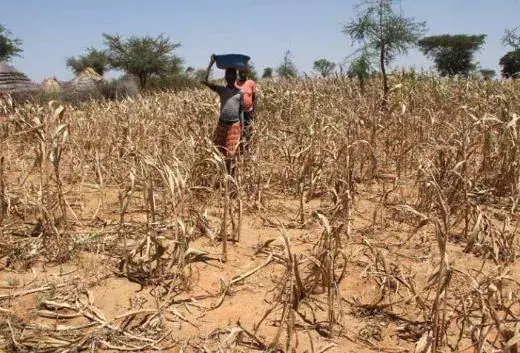
The United Kingdom has provided $2.8 million to the Food and Agriculture Organization of the United Nations (FAO) and the United Nations World Food Programme (WFP) to support anticipatory action interventions in South Sudan. This funding will help hundreds of thousands of people in vulnerable communities prepare for forecast climate shocks, including El Niño-induced drought and flood conditions. The support aims to protect food security and livelihoods before floods escalate into humanitarian emergencies.
The joint FAO-WFP programme will implement anticipatory flood interventions in Jonglei, Unity, and Upper Nile states. Activities will include early-warning support, anticipatory cash assistance, livelihood protection, labor-intensive public works, and the prepositioning of humanitarian supplies. The programme will run until March 2027 and take a three-pronged approach: providing anticipatory assistance linked to agreed triggers, establishing community-based early-warning systems, and using hydrological observations and vulnerability assessments to guide early action.
According to Sebastian Fouquet, FCDO's Development Director in South Sudan, climate shocks are compounding already severe humanitarian pressures in the country. He emphasized the importance of using forecasts to act before a crisis peaks and help vulnerable families protect their livestock, food, and essential assets. This approach aims to reduce immediate suffering and give communities a stronger chance to recover and face future shocks with dignity.
The programme will also strengthen coordination and preparedness, with government engagement central to proactive flood-risk management. Mutinta Chimuka, WFP Country Director for South Sudan, highlighted the importance of early action in preventing predictable shocks from becoming humanitarian catastrophes. She noted that acting early also helps make every humanitarian pound go further, especially in a time of growing needs and stretched resources.
Recurrent climate shocks continue to deepen humanitarian needs in South Sudan. Anticipatory action uses climate data, forecasts, and early-warning systems to enable communities and humanitarian partners to act before predictable hazards escalate into emergencies. This approach is critical in helping vulnerable families prepare for and withstand shocks before they become catastrophes.
Felix Dzvurumi, Acting FAO Representative in South Sudan, emphasized that for millions of South Sudanese, agriculture is their primary source of food and income, and climate shocks threaten both. With the UK's support, FAO is translating early warnings into anticipatory action that helps farmers, livestock keepers, and fishing communities protect their livelihoods before disasters strike.
The UK Government has championed this approach as a critical paradigm shift—moving away from reactive aid to get ahead of disasters, mitigate human suffering, and maximize the efficiency of humanitarian resources. The contribution is part of the UK's wider support for anticipatory action through its Humanitarian Crisis Fund, bringing UK funding for El Niño anticipatory action in South Sudan to more than $3.7 million.
Key points
- The UK provides $2.8M to FAO and WFP to support anticipatory action interventions in South Sudan.
- The programme aims to protect food security and livelihoods before floods escalate into humanitarian emergencies.
- The support will help hundreds of thousands of people in vulnerable communities prepare for forecast climate shocks.