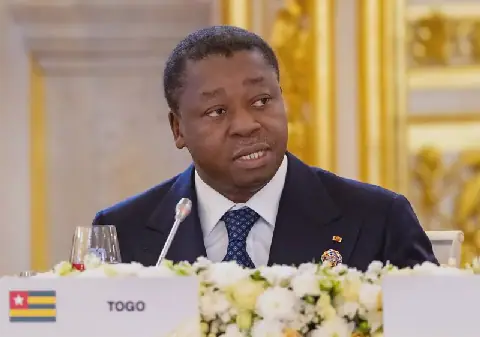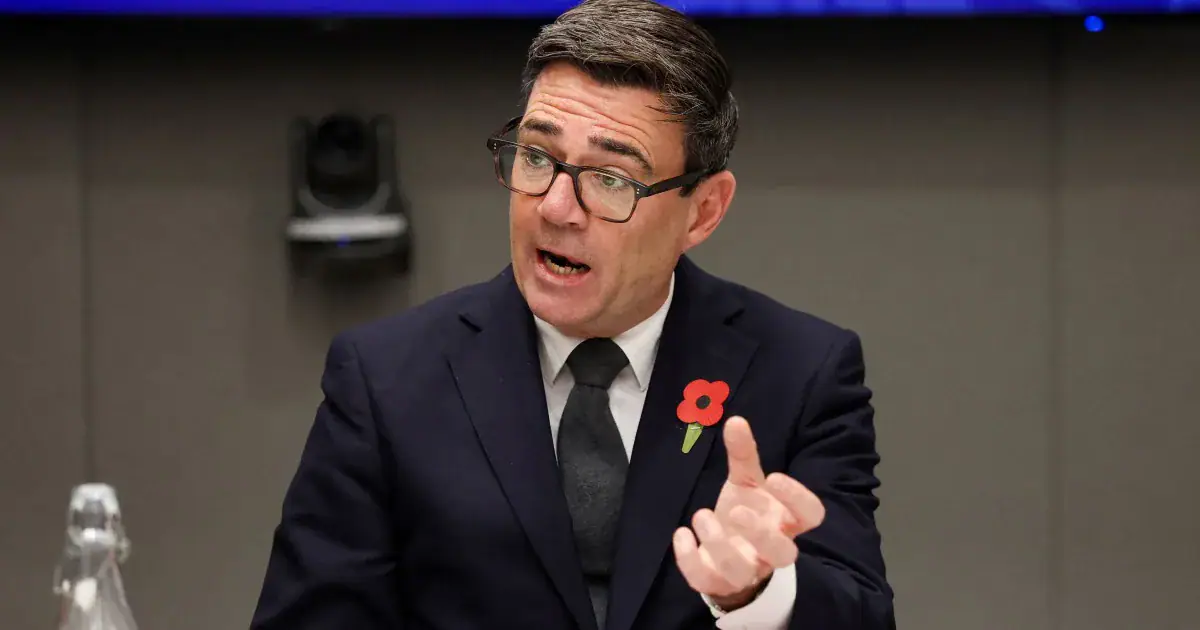
British Prime Minister Andy Burnham has indicated that the UK is willing to engage in discussions and consider a formal apology for its involvement in the transatlantic slave trade. In a statement ahead of the Commonwealth Heads of Government Meeting, Burnham emphasized the importance of listening to calls for an official apology and engaging in structured dialogue with affected nations and campaign groups. This development comes as the UK government faces increasing pressure to acknowledge and address the legacy of the slave trade.
The transatlantic slave trade, which forcibly enslaved millions of Africans, has had a lasting impact on the world. Burnham has expressed "sorrow and regret" for the suffering endured by Africans who were abducted and forced into slavery. He acknowledged that the legacy of the slave trade continues to shape the world today. The UK's consideration of a formal apology marks a significant shift in the government's stance on the issue.
Despite the openness to a formal apology, Burnham has ruled out financial compensation for the descendants of enslaved Africans. He argued that present-day Britons should not be held liable for historical wrongs committed under different laws and circumstances. This stance has been met with skepticism by some Caribbean leaders, who continue to press for reparatory justice.
Burnham has proposed an alternative initiative to restructure debt for vulnerable Commonwealth countries. The plan, which is expected to be led by former Prime Minister Gordon Brown, would offer longer repayment periods and more favorable interest rates. This move has been cautiously welcomed by Caribbean leaders, who are seeking concrete actions to address the legacy of the slave trade.
The issue of reparations and apologies is set to feature prominently at the Commonwealth Heads of Government Meeting in Antigua and Barbuda. King Charles III, who will attend the meeting, has previously stated that it is "only right" to acknowledge past injustices. The meeting, scheduled for November 1-4, provides a platform for leaders to discuss the issue and potential solutions.
Caribbean leaders are continuing to press for reparatory justice, including compensation, debt cancellation, and increased investment in health and education. They argue that these measures are necessary to address the ongoing impacts of the slave trade. The UK's proposal for debt restructuring is seen as a step in the right direction, but many leaders believe that more needs to be done.
The UK's consideration of a formal apology and debt restructuring has sparked a renewed debate about the legacy of the transatlantic slave trade. As the Commonwealth Heads of Government Meeting approaches, leaders are expected to engage in intense discussions about the issue and potential solutions.
Key points
- The UK is open to a formal apology for its role in the transatlantic slave trade but rejects financial compensation.
- The issue of reparations and apologies is set to feature prominently at the Commonwealth Heads of Government Meeting in Antigua and Barbuda.
- Caribbean leaders continue to press for reparatory justice, including compensation, debt cancellation, and increased investment in health and education.