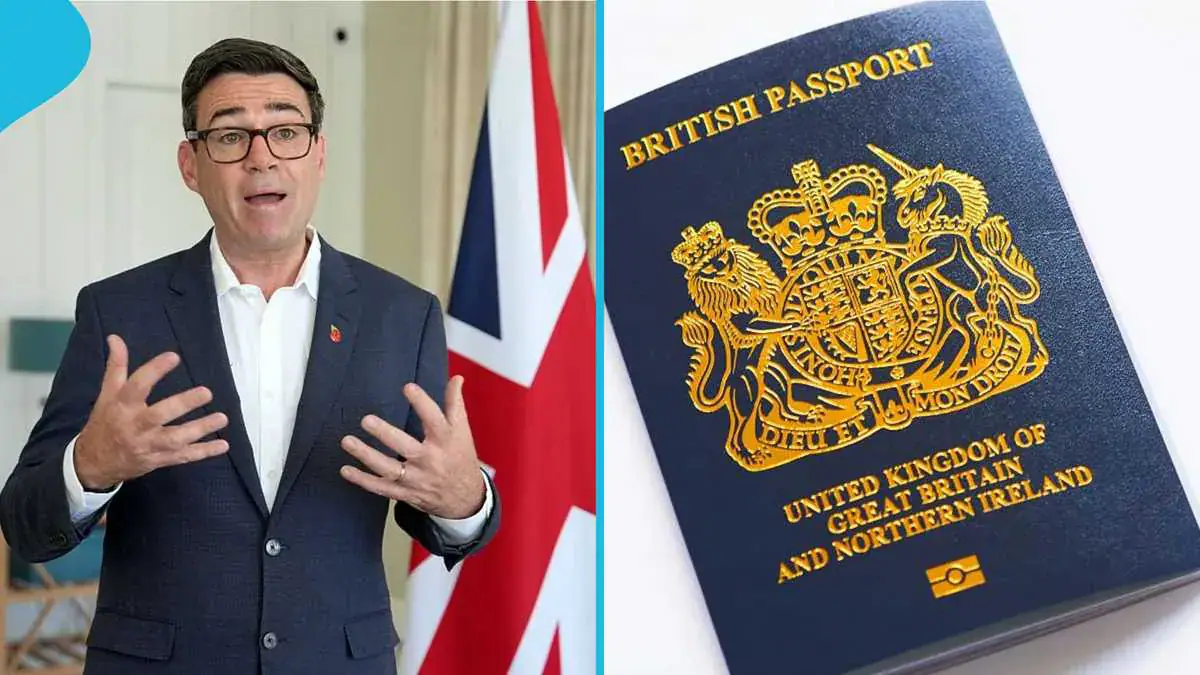
The UK government has published guidance on five specific circumstances under which a child's citizenship application can proceed without both parents' involvement. These circumstances include sole custody, unmarried parents, abandonment, unknown whereabouts, and an unresponsive parent. According to UK officials, qualifying for one of these conditions does not automatically guarantee a child will be granted British citizenship. Each case will continue to be assessed individually on its own merits.
The first recognised circumstance is sole custody, where a court has formally granted the applying parent exclusive custody of the child. In such cases, officials may proceed without seeking the other parent's views. This is also applicable in situations involving unmarried parents, where the mother is the applicant and there is no indication the father holds parental responsibility.
Abandonment constitutes the third ground for bypassing one parent's consent. If the other parent has had no contact with the child for a significant number of years, this is considered sufficient reason to dispense with that parent's participation in the process. The fourth situation involves cases where reasonable efforts to locate the other parent have failed, allowing authorities to proceed without their input.
The fifth and final circumstance covers cases where the other parent does not respond to correspondence. If letters from either the authorities or the applying parent go unanswered, the application can continue regardless. UK authorities have clarified that these situations describe when officials are permitted to move forward with an application in the absence of one parent's involvement.
However, the guidance does not create an automatic entitlement to citizenship. Each application will still be thoroughly reviewed on its individual circumstances. Clearing one of these five hurdles simply allows the process to advance, but does not predetermine the outcome or override the broader assessment criteria applied to all citizenship applications.
The guidance is particularly relevant for parents navigating complex family situations, including those involving estrangement, international separation, or legal disputes over parental responsibility. This move aims to address procedural barriers that may hinder the citizenship application process for children in these situations.
The UK government's decision to publish this guidance comes as part of its efforts to refine its immigration and citizenship policies. Earlier in November 2026, the UK announced changes to its immigration settlement rules, establishing a tiered system in which a migrant's route of entry into the country determines how long they must wait before qualifying for permanent residency.
Key points
- The UK government has outlined five circumstances under which a child's citizenship application can proceed without both parents' involvement.
- These circumstances include sole custody, unmarried parents, abandonment, unknown whereabouts, and an unresponsive parent.
- Qualifying for one of these conditions does not automatically guarantee a child will be granted British citizenship.