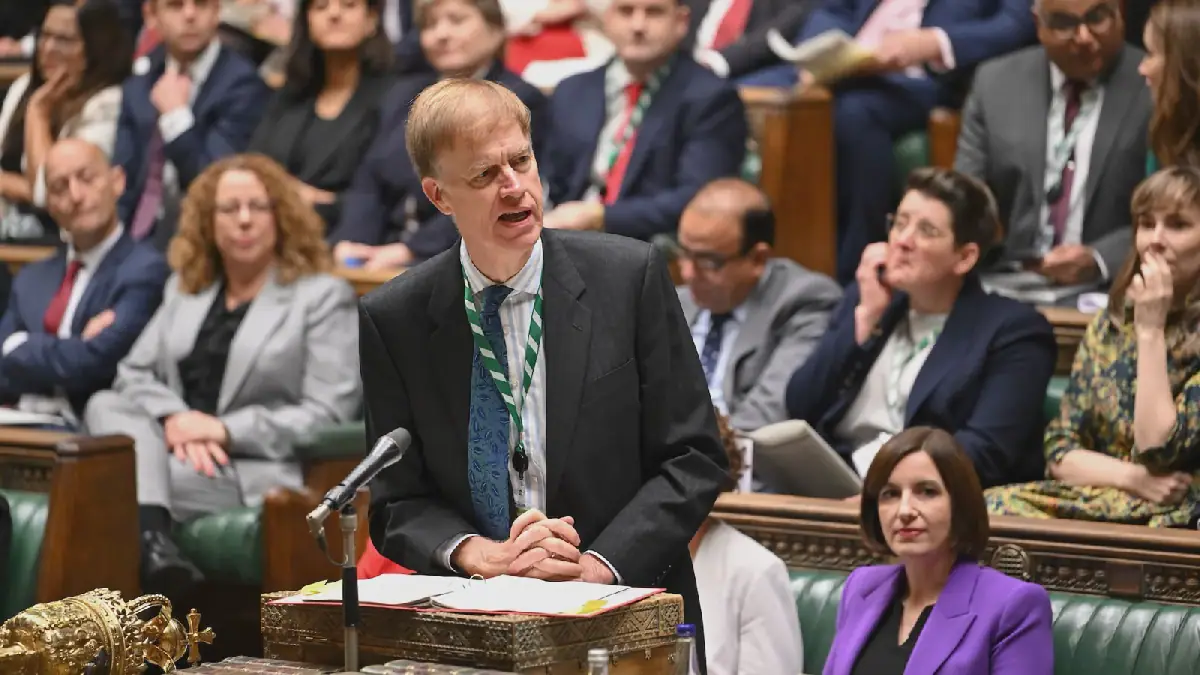
The UK government's review into the Personal Independence Payment (PIP) assessment process, led by disability minister Stephen Timms, has recommended that PIP be protected for people of all ages. The review, which was co-produced with disabled people and organizations that support them, found that the current system is no longer fit for purpose and can be brutal to navigate. Many people have described the application, assessment, review, and appeals processes as complex, hard to navigate, burdensome, and dehumanizing.
The review's recommendations have been welcomed by charities, who have long called for a more compassionate system. Harriet Edwards, director of influencing at disability charity Sense, said that disabled people need to be treated with dignity and respect. The review suggests that PIP should continue to provide a cash award, and remain a non-means-tested, non-taxable benefit available to people both in and out of work, with an improved process that ensures the right support goes to those who need it.
PIP is not a benefit intended to support people who are out of work; instead, it is meant to cover the extra costs of a disability or health condition. This can include medical therapies and equipment, the extra cost of energy bills to power equipment or keep the heating on for health reasons, or the costs of transport when more affordable options are inaccessible. Charity Scope estimates that disabled people need an extra £1,095 each month on average to reach the same standard of living as non-disabled people.
The review also recommends reducing unnecessary award reviews for people with lifelong or degenerative conditions. The government has already committed to two recommendations, including this one. Ross Barrett, senior policy manager at the MS Society, said that people with multiple sclerosis have faced a broken PIP system and have been left feeling unseen, unheard, and forced to fight for the support they need.
The Timms Review's recommendations come after a significant backlash from Labour MPs and disability charities over plans to slash PIP. Last year, Keir Starmer's government laid out plans to cut the benefit, but was forced to U-turn after criticism. The review's findings have also been released amid another government-commissioned review, the Milburn Review into youth unemployment, which proposed cutting PIP and the health element of universal credit for people under 25.
The proposed cuts have been met with concern from disability charities, who argue that they would leave some people financially worse off. The charities are urging the government to prioritize the needs of disabled people and ensure that any welfare reform does not harm those who rely on these benefits. The government is expected to consider the findings of both reviews as it moves forward with its plans for welfare reform.
The review's emphasis on compassion and dignity in the benefits system has been seen as a positive step forward. As the government considers the findings, it will be important for them to prioritize the needs of disabled people and ensure that any changes to the system do not harm those who rely on these benefits. The charities and advocacy groups are watching closely to ensure that the government's actions align with its stated goals.
Key points
- The review recommends protecting PIP for people of all ages and reforming the system to make it more compassionate.
- The current PIP system has been criticized for being complex, hard to navigate, and dehumanizing.
- Disability charities have welcomed the review's recommendations, but are urging the government to prioritize the needs of disabled people in its welfare reform plans.
Reporting sources
- Timms Review calls for PIP to be protected – and ‘dehumanising’ process to be reformed · The Big Issue Malawi