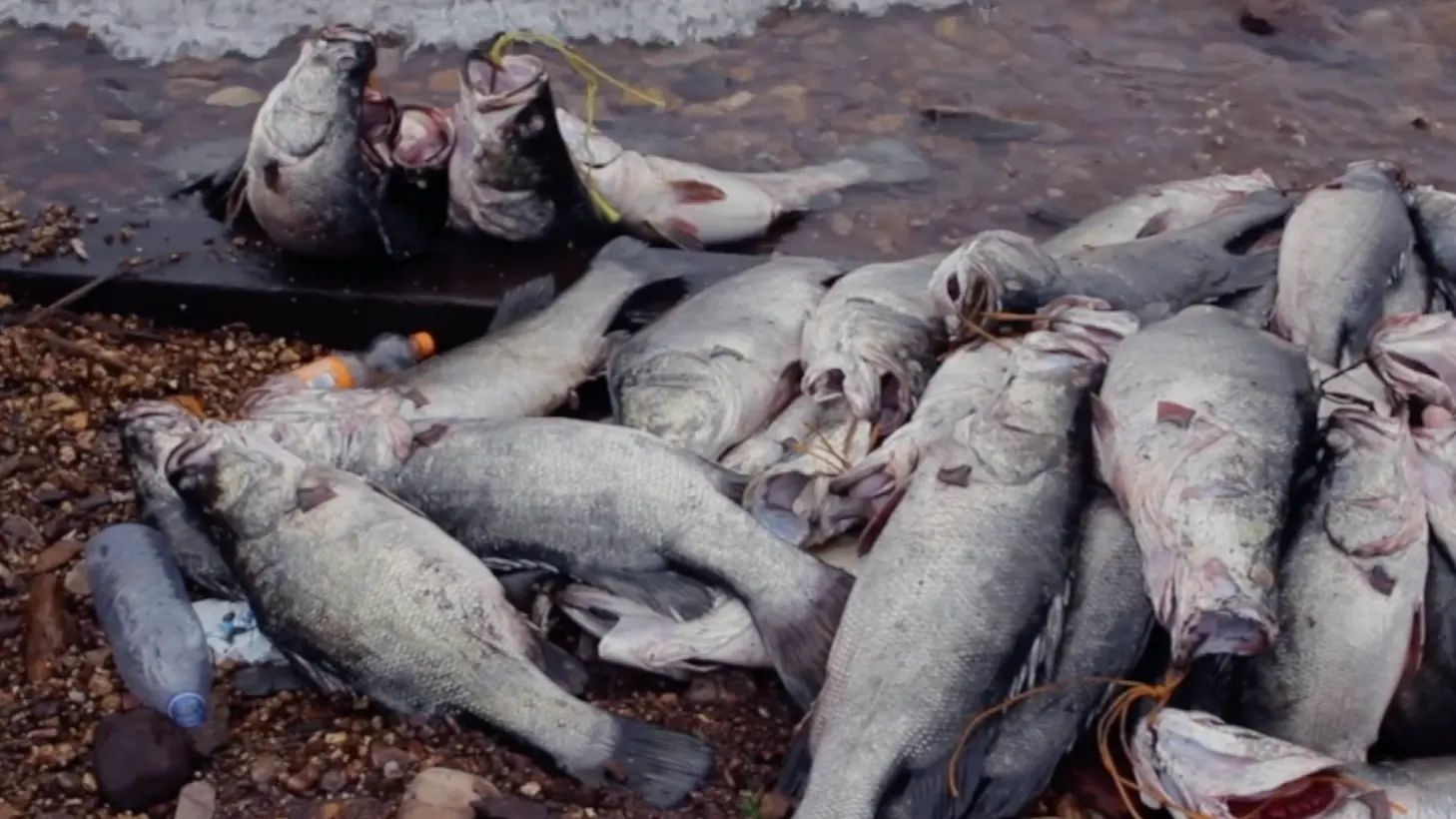
The Ugandan government has taken a significant step towards addressing the impacts of climate change. Officials from the Ministry of Environment, Climate Change and Forestry, Ministry of Trade, Industry and Cooperatives, Uganda Revenue Authority (URA), and the Uganda National Bureau of Standards (UNBS) have agreed to work together to combat the effects of climate change. This decision was made in response to the growing concern about the devastating impacts of climate change on the country's economy and environment.
The collaboration aims to enhance the country's capacity to adapt to the changing climate and mitigate its effects. The agencies will work together to develop and implement policies, strategies, and programs that promote sustainable development and reduce greenhouse gas emissions. This move is expected to improve the country's resilience to climate-related shocks and stresses, and support the achievement of Uganda's development goals.
Climate change has had a significant impact on Uganda's economy, with the country's agricultural sector being particularly vulnerable. The sector, which accounts for about 20% of Uganda's GDP, has been affected by changing weather patterns, leading to reduced crop yields and decreased food security. The government has recognized the need to take urgent action to address the impacts of climate change and promote sustainable development.
The Ministry of Environment, Climate Change and Forestry has been at the forefront of efforts to address climate change in Uganda. The ministry has developed a number of policies and strategies aimed at reducing the country's greenhouse gas emissions and promoting sustainable development. These include the National Climate Change Policy, which provides a framework for addressing the impacts of climate change, and the Uganda Climate Change Fund, which provides financial support for climate change mitigation and adaptation projects.
The Uganda Revenue Authority (URA) and the Uganda National Bureau of Standards (UNBS) have also played a crucial role in promoting sustainable development in the country. URA has implemented a number of initiatives aimed at promoting environmental sustainability, including the introduction of tax incentives for companies that invest in renewable energy. UNBS has developed standards for sustainable production and consumption, which are expected to promote environmentally friendly practices in the private sector.
The collaboration between government agencies is expected to enhance the country's capacity to access climate finance and technology. Uganda has been actively seeking support from the international community to address the impacts of climate change. The country has signed several agreements with international partners, including the Paris Agreement, which aims to limit global warming to well below 2°C and pursue efforts to limit it to 1.5°C above pre-industrial levels.
The government's efforts to address climate change have been welcomed by stakeholders, who have called for increased action to address the impacts of climate change. The country's civil society organizations and private sector have been actively engaged in efforts to promote sustainable development and address the impacts of climate change. The government has recognized the importance of partnerships and collaboration in addressing the complex challenges posed by climate change.
Key points
- The Ugandan government has established a multi-agency team to combat climate change impacts.
- Climate change has significantly affected Uganda's agricultural sector.
- The government has developed several policies and strategies to address climate change.