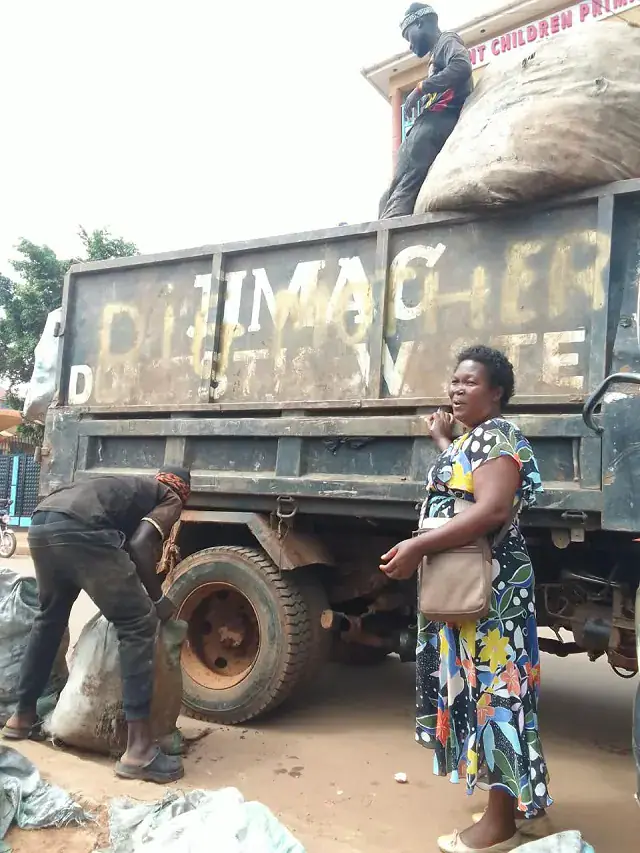
At 65, Nakayiwa Immaculate Kimmula is defying expectations by turning Kampala's garbage into a thriving business. Her company, JIMAC Cleaning and Waste Management Limited, collects waste from homes and businesses in Kyebando, a busy Kampala suburb, employing 12 people in the process. Nakayiwa's journey began as a public health leader in Kyebando, where she witnessed poor waste management firsthand. She saw an opportunity to create a service that would not only help residents manage their rubbish but also generate income and jobs.
Nakayiwa's business did not start with a large investment or a fleet of trucks. She began by working with an existing waste collection operator before deciding to establish her own business. She realized that garbage was not just a problem, but a service people needed, and if managed well, it could create jobs and income. To build her business, Nakayiwa saved Shs10 million with FINCA Uganda, which provided a financial foundation for her plans. She later participated in FINCA's Waste-to-Wealth Initiative training, which introduced her to waste management practices and opportunities in recycling.
The training helped Nakayiwa appreciate the commercial potential of waste, but expanding her business required a bigger investment. She applied for and secured a Shs20 million Women Empowerment Loan within three days. Combined with her savings, the loan enabled her to purchase a garbage truck and expand her operations. Nakayiwa credits FINCA with completing the missing piece for her business, allowing her to turn her dream into reality.
Today, JIMAC operates two trucks and employs 12 people, including drivers, loaders, and supervisors. Its services cover several areas in Kampala, including Kyebando, Kisalosalo, Kalerwe, and Makerere. The business provides more than a collection service; it also offers workers an opportunity to earn an income from an essential activity. Nakayiwa encourages households to sort their waste at source and handle rubbish responsibly, which can help separate materials suitable for recycling from waste that requires disposal.
Kampala faces significant waste management challenges as it continues to grow. A 2022 situational analysis report estimated that Uganda generated about 0.6 kilogrammes of waste per person per day, with Kampala's daily waste generation at about 1,000 tonnes. These figures highlight the scale of the task facing city authorities, private waste collectors, and communities. Effective waste management involves not only removing rubbish from streets but also ensuring reliable collection services, encouraging waste separation, and supporting recycling businesses.
Nakayiwa aims to take her business beyond collecting and transporting garbage by establishing a waste-sorting and recycling facility, alongside a coffee and poultry farm. This investment would allow her to explore more ways of generating value from waste while expanding her business. She wants to create a place where waste becomes wealth, creating jobs and leaving something meaningful for her children and community.
Nakayiwa's experience demonstrates how financing, determination, and entrepreneurship can turn an opportunity into a business that supports employment and community development. Her story raises questions about how financial institutions and public programmes can support enterprises that address everyday urban problems. With the right support, community-based businesses like JIMAC can participate in waste collection, sorting, and recycling, creating livelihoods and improving sanitation.
Key points
- Nakayiwa Immaculate Kimmula's business, JIMAC Cleaning and Waste Management Limited, collects waste and creates jobs in Kampala.
- Her business aims to establish a waste-sorting and recycling facility, alongside a coffee and poultry farm.
- Nakayiwa's experience highlights the importance of access to finance and training for small businesses addressing urban challenges.