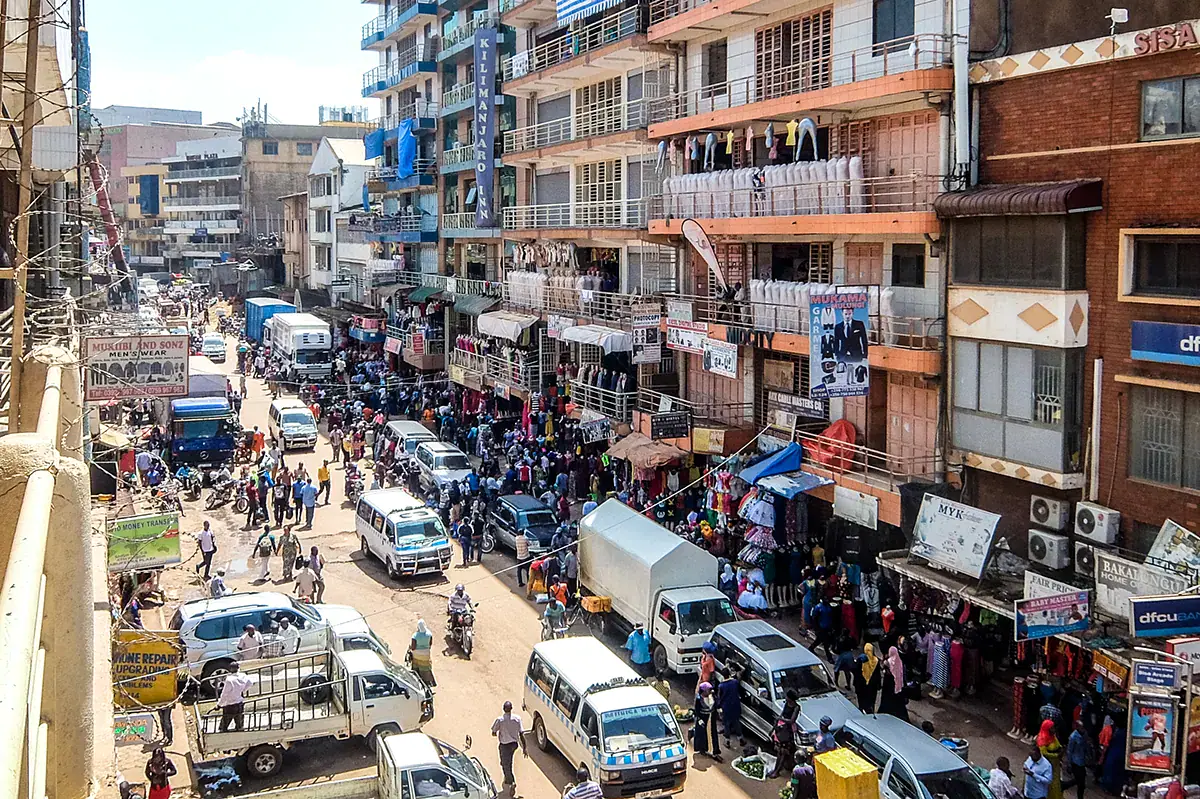
A wave of protests swept through Kampala's central business district as traders shut down their shops in response to what they describe as unbearable taxes and costly import procedures imposed by the Uganda Revenue Authority. The Kampala City Traders Association initiated the industrial action, calling on traders across the country to close their shops for one month. The shutdown affected several shopping areas, including Mini Price, Qualicel Bus Terminal, and shopping centers along Nabugabo Road.
However, not all traders participated in the shutdown. Shops in Mutaasa Kafeero Plaza, Pioneer Mall, and City Base Plaza remained open after their respective trader associations advised members not to join the strike. The National Enterprise Traders Association, Federation of Uganda Traders Associations, and Mukwano Business Community and Traders Association have not fully backed the Kampala City Traders Association's call, opting to continue negotiations with the government instead.
The traders are protesting the way taxes are assessed, goods are cleared, and enforcement is conducted by the Uganda Revenue Authority. They claim that merchandise imported into Uganda is often held up for weeks or months, resulting in accumulating storage and demurrage charges. Traders also argue that the tax authority sometimes places values on goods higher than what importers actually paid, increasing their tax liability.
One of the key points of contention is the new system for groupage cargo, which allows several traders to combine their goods in one shipping container. The Uganda Revenue Authority has introduced changes requiring each importer in a consolidated shipment to have their own documentation and clear their individual goods using their Tax Identification Number. Traders argue that this has made the process more complicated and expensive.
A meeting between traders and the Uganda Revenue Authority on November 10 ended in collapse after the authority asked participants to leave their mobile phones at the registration desk before entering the meeting hall. The traders questioned why they had not been informed about the arrangement beforehand, and the meeting never got underway.
The Uganda Revenue Authority has defended its customs reforms, insisting on proper documentation, accurate declarations, and individual accountability for imported goods. The authority argues that the new system is intended to protect small importers against exploitation by consolidators and other intermediaries. Government officials, including Secretary to the Treasury Ramathan Ggoobi, have also defended the Uganda Revenue Authority against allegations of excessive delays.
The traders' shutdown is a protest against the Uganda Revenue Authority's policies, which they claim are stifling their businesses. The outcome of the negotiations between the traders and the government remains uncertain, with the traders seeking changes to the way taxes are assessed and goods are cleared. The Uganda Revenue Authority has expressed willingness to meet with traders and discuss their concerns.
Key points
- Traders in Kampala shut down their shops to protest taxes and import procedures imposed by the Uganda Revenue Authority.
- The shutdown was initiated by the Kampala City Traders Association, which is demanding changes to the way taxes are assessed and goods are cleared.
- The Uganda Revenue Authority has defended its customs reforms, citing the need for proper documentation and individual accountability for imported goods.
Reporting sources
- Traders shut shops, take on URA over taxes as Musasizi steps in · 100.2 Galaxy FM