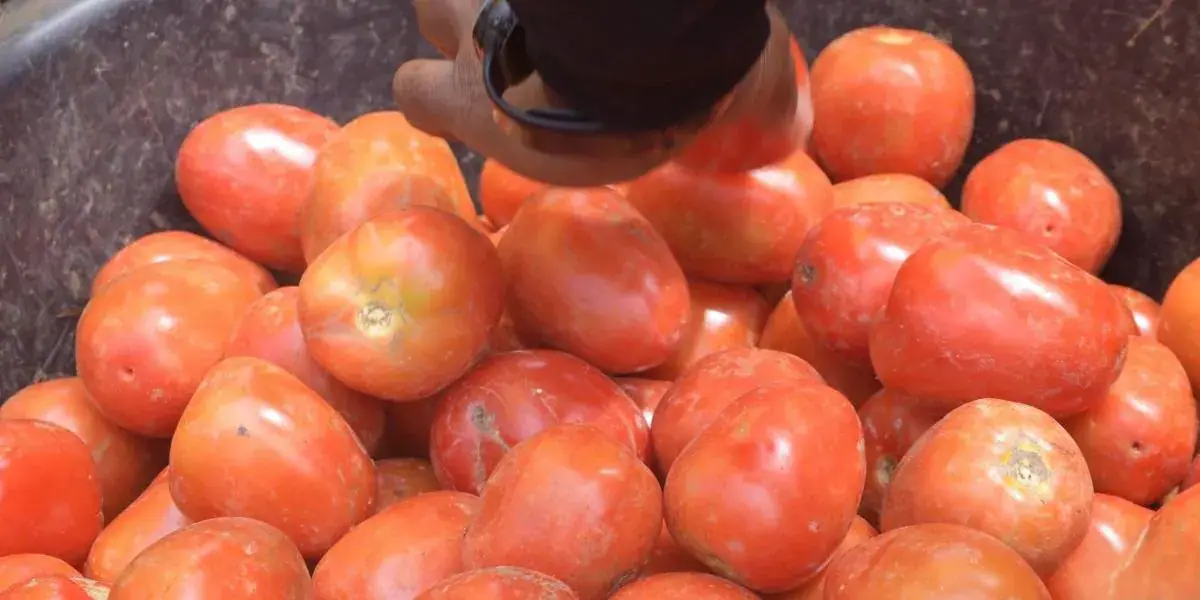
Traders in Nateete Market have admitted to applying pesticides to tomatoes and other fresh produce to extend their shelf life. This revelation was made during a food safety sensitisation campaign organised by the Ministry of Agriculture, Animal Industry and Fisheries, the Centre for Agriculture and Bioscience International, and Kampala Capital City Authority. The campaign aims to educate traders and consumers about the dangers of pesticide residues in food.
The campaign, dubbed "Yoza Bulungi, Olye Bulungi" (Wash Well, Eat Well), was launched on November 4, 2026, and targets 10 major markets in Kampala and four markets in Masaka City. Dr. Alexanda Samula urged traders to stop applying chemicals to harvested produce, warning that it exposes consumers to potentially harmful chemical residues. Abubaker Mutaawe, a watermelon trader, welcomed the campaign, saying it had helped him understand the dangers associated with practices he previously considered harmless.
Hadija Namagembe, a tomato trader, called on the government to strengthen enforcement against unscrupulous agro-chemical dealers who sell counterfeit products. The traders' concerns come amid growing evidence of pesticide contamination in Uganda's food supply. A 2022 study published in the journal Pesticide Biochemistry and Physiology found that 95.6 percent of fruit and vegetable samples collected from the Kampala Metropolitan Area contained multiple pesticide residues.
A separate study conducted by Wageningen University and Research in 2023 analysed 726 pesticide components in vegetables collected from six markets across three regions of Uganda. The study identified 19 pesticide components, with tomatoes recording the highest occurrence of residues. Some detected chemicals exceeded established international residue limits, highlighting the need for stricter regulations.
The concerns also extend to the agro-input supply chain, with a 2021 study finding that 25 percent of pesticide shops in Central and Western Uganda were selling repackaged products, while 10.5 percent had unmarked or unlabeled products. Only 26.6 percent of mystery shoppers received advice on pesticide use, despite 97 percent of dealers considering such advice part of their responsibility.
The "Yoza Bulungi, Olye Bulungi" campaign aims to change attitudes among farmers, traders, and consumers by emphasising that applying additional pesticides to harvested food does not necessarily extend its shelf life and can instead expose consumers to chemical residues. The partners are using market engagements and public awareness messages to promote responsible pesticide use, proper post-harvest handling, and safer food practices.
The campaign's goal is to protect public health, strengthen consumer confidence, and support Uganda's agricultural markets. Improved awareness and responsible handling of agricultural produce are crucial in achieving this goal. The Ministry of Agriculture, Animal Industry and Fisheries, the Centre for Agriculture and Bioscience International, and Kampala Capital City Authority are working together to promote safer food practices and reduce the risks associated with pesticide residues.
Key points
- Traders in Uganda admit to spraying tomatoes with pesticides to keep them fresh, prompting calls for stronger enforcement against fake chemicals.
- A 2022 study found that 95.6 percent of fruit and vegetable samples in the Kampala Metropolitan Area contained multiple pesticide residues.
- The "Yoza Bulungi, Olye Bulungi" campaign aims to promote responsible pesticide use, proper post-harvest handling, and safer food practices.