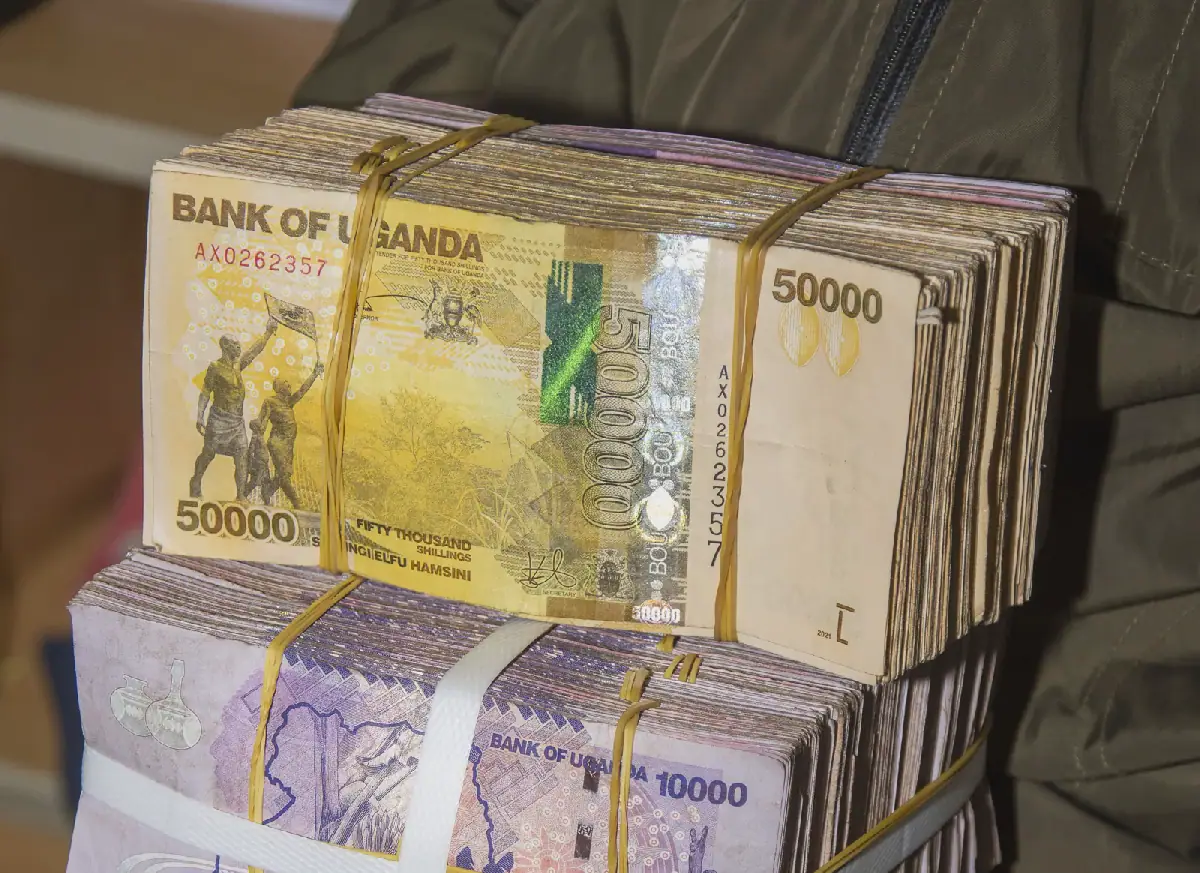
The Uganda Shilling has been experiencing significant fluctuations, maintaining a defensive posture as it attempts to breach the key psychological level of 4,300 against the US dollar. This has been attributed to persistent corporate demand and global dollar strength. According to forex market expert Stephen Kaboyo, the shilling remains under pressure from both external and domestic factors.
November has been a generally weak month for the local unit, with importers, especially in the oil and manufacturing sectors, sustaining demand for dollars even as inflows from exports and remittances remained subdued. This trend has been consistent with the shilling's performance since the start of the year, which was marked by a fragile footing following a turbulent second half of last year.
The current bout of volatility is not new, as global investors shifted to the safety of the US dollar amid higher-for-longer interest rates in the United States and renewed geopolitical tensions. At home, strong demand for dollars from oil importers, manufacturers, and government debt repayments added to the strain, while inflows from coffee exports, tourism, and remittances were insufficient to fully cushion the market.
By mid-year, the shilling had settled into a pattern of short-lived recoveries followed by fresh bouts of depreciation. Each time the Bank of Uganda intervened to smooth volatility, or export inflows improved, the unit would stabilise briefly, only to weaken again when corporate demand picked up or global risk sentiment deteriorated.
Traders say the second half of the year has been particularly choppy, with the shilling trading within a wide range and repeatedly testing key resistance levels as the market struggled to find direction. The pressure intensified in October and November, as seasonal demand from importers stocking up for the festive season coincided with elevated global oil prices and a stronger dollar.
According to Stephen Kaboyo, the outlook remains fragile, with no end in sight to the Middle East crisis keeping global oil prices elevated, a factor that continues to weigh heavily on Uganda's import bill. He also noted that market conditions are expected to keep the Bank of Uganda in a hawkish position amid extremely tight market conditions, with the key overriding objective of the Central Bank being to rein in inflation.
Market participants say they will be watching next week's inflation data and the Central Bank's policy stance closely for clues on where the shilling is headed as the year draws to a close. The November Consumer Price Index (CPI) figures are expected to show a rise in inflation, which will likely influence the Central Bank's policy decisions.
Key points
- The Uganda Shilling remains under pressure due to persistent corporate demand and global dollar strength.
- The outlook for the shilling remains fragile due to elevated global oil prices and a stronger dollar.
- The Bank of Uganda is expected to maintain a hawkish position amid tight market conditions to rein in inflation.
Reporting sources
- Weak November leaves Uganda Shilling battling to hold 4,300 · Daily Monitor