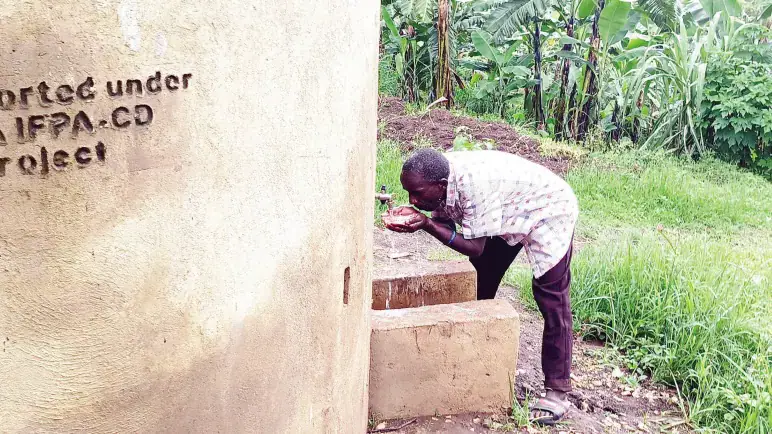
Uganda's water sources, including lakes, rivers, wetlands, and underground water, are facing a growing threat of contamination from industrial waste, agricultural chemicals, and untreated sewage. Despite government efforts to increase access to improved water supplies, pollutants such as toxic metals and industrial chemicals are finding their way into water sources, posing a risk to human health. According to Water and Environment Minister Kahinda Otafiire, national access to safe water has increased from 71.2% to 73.6%, but 12,339 villages and cells still lack a single improved safe-water source.
A systematic review by researchers from Makerere University and Kampala International University found that toxic elements, including lead, cadmium, and arsenic, are present in Uganda's drinking-water sources. The study, which examined evidence from municipal tap water, boreholes, springs, and rivers, identified contamination concerns in areas such as Rwakaiha Wetland and mining-affected catchments in Kasese. The researchers recommended tighter controls on industrial wastewater and improved treatment infrastructure to mitigate the risks.
An employee involved in water quality control at the National Water and Sewerage Corporation (NWSC) expressed concern about the growing levels of pollutants in raw water sources. The employee, who requested anonymity, said that chemicals from factories, pesticides, and microplastics are being found in water sources, posing a risk to human health. The employee warned that Uganda is facing a "silent death" due to the lack of proper waste disposal and the inability to catch all pollutants.
The National Environment Management Authority (NEMA) has taken measures to address industrial pollution and improper waste disposal. According to Jeffrey Opiyo, NEMA's senior communications and content creation officer, industries are required to treat wastewater before releasing it into the environment, and non-compliant facilities have faced enforcement action. NEMA has also licensed over 200 waste handlers to transport, treat, and store industrial, medical, and domestic waste.
Despite these efforts, enforcement presents a continuing challenge. In 2024, NEMA investigated contamination along Kampala's Nakivubo Channel, which carries wastewater towards Lake Victoria. The study highlighted concerns about farming and livestock activities in potentially contaminated areas, and the risks of pollution reaching people through food. This is a concern because pollution can reach people through food, not just drinking water.
The National Water and Sewerage Corporation disputes any suggestion that increasing pollution automatically makes its supplied drinking water unsafe. According to Samuel Apedel, the corporation's director of public relations, water quality is a top priority, and treatment and monitoring remain effective. Apedel explained that NWSC treats raw water to meet national drinking-water standards and conducts regular testing to ensure water quality.
The issue of water contamination in Uganda highlights the need for collective action to address the environmental challenges facing the country. The government, industries, and communities must work together to mitigate the risks of pollution and ensure access to safe and clean water. This includes implementing effective waste management practices, improving treatment infrastructure, and promoting public awareness about the risks of water contamination.
Key points
- Toxic metals and chemicals have been found in Uganda's drinking-water sources, posing a risk to human health.
- Despite increased access to improved water supplies, 12,339 villages and cells still lack a single improved safe-water source.
- Effective waste management practices and improved treatment infrastructure are needed to mitigate the risks of pollution and ensure access to safe and clean water.
Reporting sources
- The toxic threat in Uganda’s water · The Observer