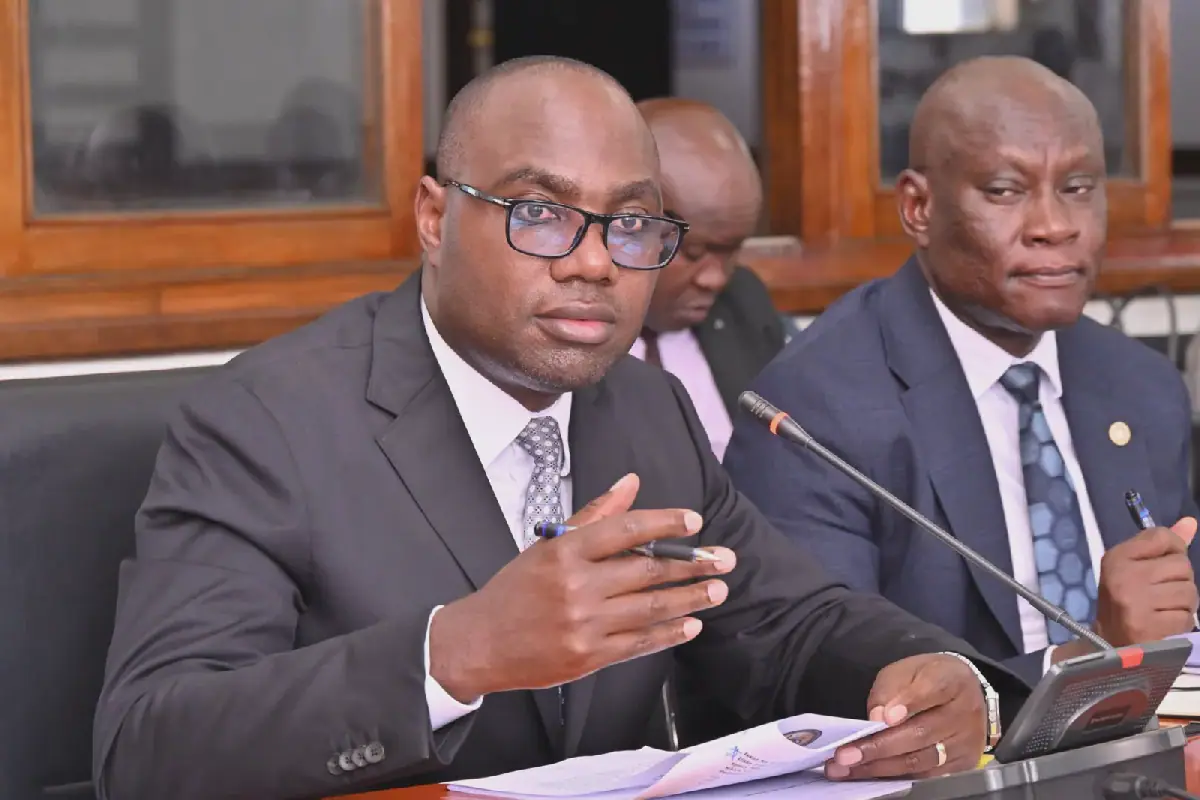
Uganda's State House has come under scrutiny after its budget surged to Shs982 billion in the 2025/26 financial year, a significant increase from the initial allocation of Shs119 billion. This drastic change has raised questions about government spending priorities, supplementary budgets, and accountability for public funds. The figures were presented before Parliament's Budget Committee on November 11, 2026.
Finance Minister Henry Musasizi defended the expenditure, citing approved supplementary funding to cover shortfalls, particularly in classified expenditure. He argued that the government has a responsibility to ensure the President receives sufficient financial resources to execute his official duties. However, this explanation is likely to intensify public debate over how taxpayers' money is being spent.
The difference between State House's original allocation and the reported expenditure is Shs863 billion, sparking concerns about the scale of supplementary funding and the specific expenditure items involved. The use of public funds remains a matter of national interest and must operate within applicable legal and parliamentary oversight frameworks.
The reference to classified expenditure presents an accountability challenge, as such spending is not always disclosed in detail. Nevertheless, Ugandans deserve to understand how public money is being utilised, particularly when supplementary allocations run into hundreds of billions of shillings.
The revelation has placed State House expenditure under the spotlight, raising broader questions about the country's budgetary discipline. While Musasizi insists that the President must be adequately facilitated to perform his duties, Parliament and the public still have legitimate questions about how an institution initially allocated Shs119 billion ended up spending Shs982 billion.
The issue is not simply whether the President requires resources to perform his constitutional responsibilities, but whether such enormous expenditure is subjected to sufficient scrutiny, transparency, and accountability. The public demands more than political explanations; they demand accountability, transparency, and clear answers about where the money went.
The figures have sparked a national conversation about budgetary discipline and accountability. As the country continues to demand better funding for essential public services, the State House expenditure has become a focal point for discussions about responsible governance and the management of public funds.
Key points
- The State House budget increased eightfold to Shs982 billion in the 2025/26 financial year.
- The surge in budget has raised concerns about government spending priorities and accountability.
- The expenditure has sparked a national conversation about budgetary discipline and accountability.
Reporting sources
- From Shs119 Billion To Shs982 Billion! The Shocking State House Budget Explosion · ankoletimes.co.ug