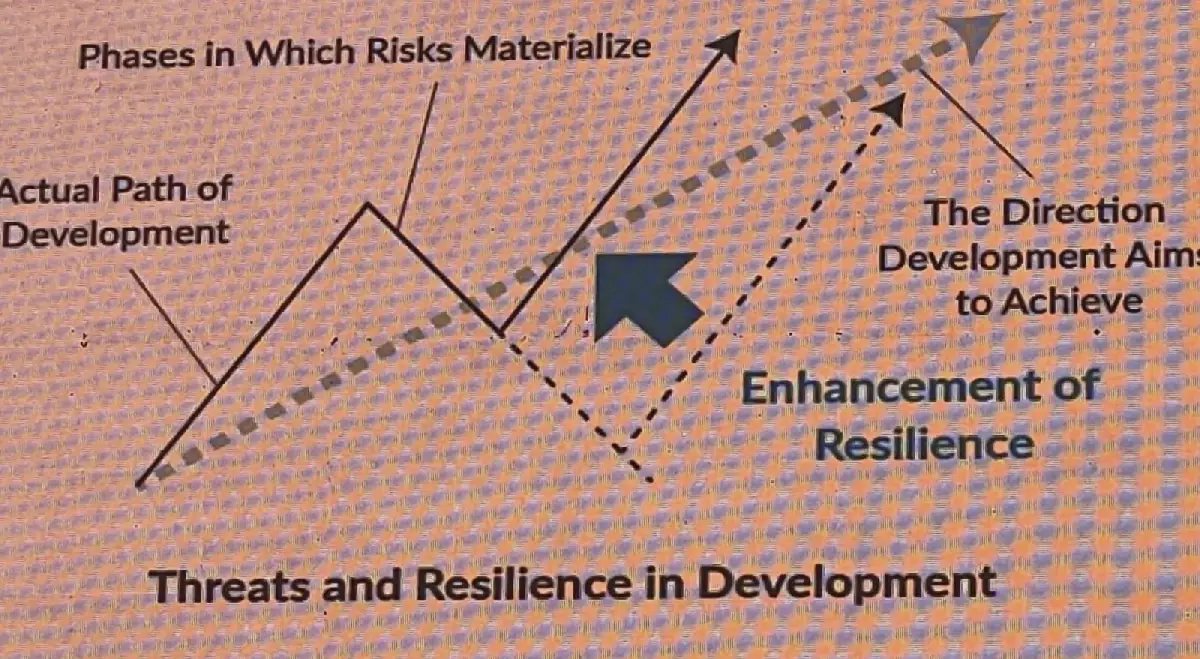
Uganda's approach to refugee management has been commended by Japanese Professor Yoichi Mine as a shining example of human security. The policy guarantees refugees basic rights, freedom of movement, and integration with host communities. Professor Mine made these remarks during a public lecture organized by the Japan International Cooperation Agency (JICA) at Makerere University. He emphasized the importance of adopting a human security approach in addressing refugee issues.
Professor Mine's lecture highlighted the need for a more comprehensive approach to refugee management, one that prioritizes the well-being and dignity of refugees. He noted that Uganda's policy has been successful in promoting social cohesion and peaceful coexistence between refugees and host communities. The Professor's comments were made in the context of a growing global refugee crisis, which has seen millions of people displaced from their homes.
In addition to praising Uganda's refugee policy, Professor Mine also called for stronger partnerships with the private sector to create employment opportunities for young people. He emphasized that this would promote shared development and help address the root causes of displacement. The Professor's remarks were well-received by the audience, which included government officials, academics, and representatives from civil society organizations.
The lecture was organized by JICA, a Japanese government agency responsible for promoting international cooperation and development. The agency has been working closely with the Ugandan government to support its refugee management efforts. JICA's involvement reflects the growing recognition of the need for international cooperation in addressing refugee issues.
Uganda has been hosting refugees for decades, with the majority coming from neighboring countries such as South Sudan, the Democratic Republic of Congo, and Burundi. The country's refugee population has grown significantly in recent years, with over 1.3 million refugees currently living in Uganda. Despite the challenges posed by this influx, Uganda has continued to maintain an open-door policy towards refugees.
The Ugandan government has implemented various initiatives aimed at promoting refugee self-reliance and integration. These include the provision of education, healthcare, and livelihood opportunities. The government has also established a Refugee Policy, which provides a framework for refugee management and protection. The policy has been praised for its progressive approach to refugee issues.
Professor Mine's visit to Uganda highlights the country's growing reputation as a leader in refugee management. The country's approach has been recognized by the international community as a model for human security. Key to this approach is the emphasis on promoting social cohesion, dignity, and well-being of refugees.
Key points
- Uganda's refugee policy guarantees refugees basic rights, freedom of movement, and integration with host communities.
- Professor Mine calls for stronger partnerships with the private sector to create employment opportunities for young people.
- Uganda hosts over 1.3 million refugees, primarily from neighboring countries.