A section of Uganda's political parties and stakeholders have agreed to integrate the Consociational Democracy Agreement (CDA) into the existing Uganda National Dialogue (UND) framework. The move aims to broaden political reconciliation efforts. The consultative meeting, held at Gen. Salim Saleh's Kirema Heritage Farm in Nakaseke, brought together representatives under the Inter-Party Organization for Dialogue (IPOD), the National Consultative Forum (NCF), the CDA team, and other stakeholders.
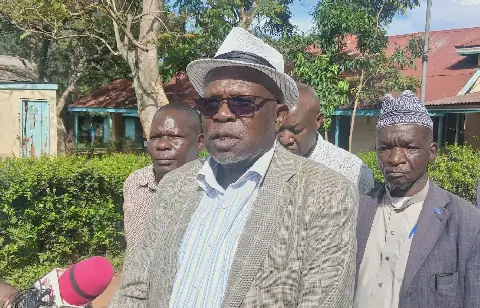
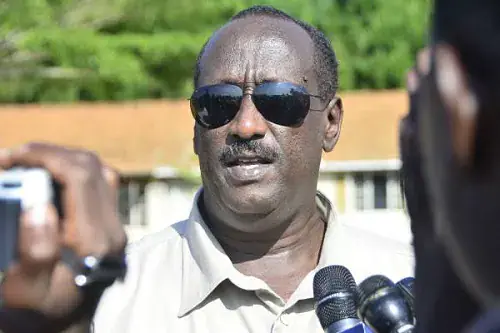
The integration of CDA into the UND framework was agreed upon by NCF Chairman Godfrey Kiwanda Ssuubi, IPOD Council Chairman Gerald Blacks Siranda, and Prof. Ogenga Otunnu, Team Leader of the CDA initiative. The UND framework was established under the authority of President Yoweri Museveni on December 18, 2018, and is chaired by Prime Minister Emeritus Rt. Dr. Ruhakana Rugunda. This development provides an established national platform for broader, inclusive and structured stakeholder engagement.
The CDA proposal, reportedly co-authored by Gen. Saleh and Prof. Otunnu, seeks to move Uganda away from a winner-takes-all electoral system toward a negotiated power-sharing arrangement. The proposal is contained in a 128-page working document. However, the proposal has drawn mixed reactions, with the People’s Front for Freedom (PFF) rejecting it outright and demanding an independent convener and guarantor.
The meeting was significantly weakened by the absence of the country’s main opposition parties. Both the Forum for Democratic Change (FDC) and the National Unity Platform (NUP) boycotted the Nakaseke gathering. The FDC cited concerns over the neutrality of the venue, Gen. Saleh’s private farm, and said the meeting violated preconditions agreed upon by political actors.
The joint press statement issued after the talks acknowledged previous dialogue efforts and emerging national challenges but did not address the opposition boycott. The signatories framed the integration as a step toward political reconciliation, socioeconomic transformation and national cohesion. Experts said that by folding the CDA into this structure, the participants appeared to anchor the power-sharing proposal within an existing presidential mandate.
The absence of main opposition parties has raised concerns about the legitimacy of the process. The FDC and NUP have reiterated their longstanding refusal to participate in IPOD activities, citing concerns over neutrality and preconditions. The integration of CDA into the UND framework is seen as a significant development in Uganda's political landscape.
The stakeholders' move to integrate CDA into the UND framework is expected to have far-reaching implications for Uganda's politics. The development has the potential to broaden political reconciliation efforts and promote socioeconomic transformation and national cohesion. Key stakeholders will likely continue to engage in dialogue to address emerging challenges and concerns.
Key points
- Integration of CDA into UND framework aims to broaden political reconciliation efforts
- Main opposition parties boycotted the meeting, citing concerns over neutrality and preconditions
- CDA proposal seeks to move Uganda away from winner-takes-all electoral system toward negotiated power-sharing arrangement
Reporting sources
- NCF’s Kiwanda and IPOD’s Siranda agree to work with Gen Saleh · The Independent magazine