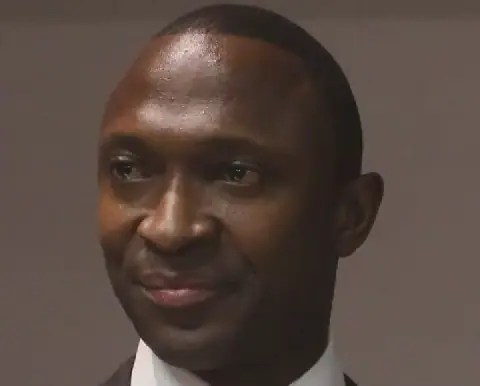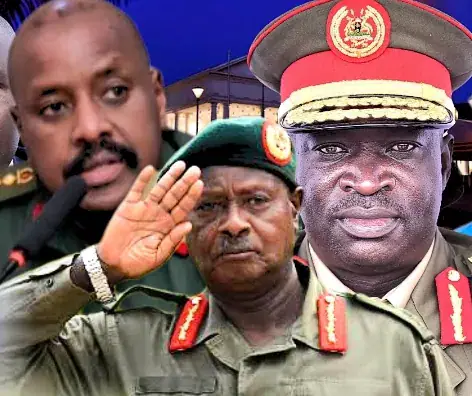
For over four decades, Uganda's President Yoweri Kaguta Museveni has led a political and military system where loyalty seems to have an expiry date. Those serving his interests are celebrated, protected, and rewarded when useful, but become liabilities when circumstances change. This ruthless culture is described as "use and dump." The recent controversy surrounding retired Lieutenant General Peter Elwelu exemplifies this arrangement. Elwelu, a former influential military commander, now faces accusations of treachery and subversion.
Elwelu's predicament recalls the 2016 UPDF attack on the palace of Rwenzururu King Charles Wesley Mumbere in Kasese, which resulted in over 100 deaths. As a senior military commander, Elwelu was a controversial figure in the operation, which drew international condemnation for excessive force and human rights abuses. The US later imposed sanctions on him for alleged involvement in these abuses. Despite this, the military establishment continued to operate, and Elwelu remained part of the system until now.
The current allegations against Elwelu have led to his arrest and detention. Chief of Defence Forces Gen. Muhoozi Kainerugaba publicly accused him of involvement in activities aimed at undermining the government. These developments raise questions about loyalty, accountability, and the treatment of former commanders. It appears that service to the regime may only guarantee protection as long as one remains influential and obedient.
The case of Elwelu highlights the need for national reflection on Uganda's political culture. The government must answer questions about the Kasese killings, military accountability, and the treatment of retired officers. Justice should not be selective, and human rights should not be privileges reserved for those with political protection. Ordinary Ugandans often pay the price for political and military power struggles.
The "use and dump" culture in Uganda's politics has serious implications. If individuals like Elwelu committed crimes, they must face a fair judicial process. Allegations of torture, unlawful detention, or mistreatment must be independently investigated. No one deserves abuse, regardless of their past record. However, Uganda cannot continue to normalize a system where powerful individuals are untouchable when convenient and become targets when relationships collapse.
The international community has taken notice of Elwelu's actions, with the US imposing sanctions on him. The Ugandan government must ensure that its institutions are governed by law, not personal loyalty, fear, or political convenience. Yesterday's loyalist should not become today's victim without accountability, just as yesterday's powerful commander should not escape responsibility for alleged crimes against civilians.
Ultimately, Uganda deserves institutions that uphold the law and protect human rights. The government must confront the "use and dump" culture and ensure that justice is served. The treatment of Elwelu and other former commanders will set a precedent for the country's future. The Ugandan government must prioritize accountability, transparency, and the rule of law to avoid further instability and ensure that its institutions serve the people, not just those in power.
Key points
- President Museveni's regime has been marked by a culture of exploiting loyalists, then discarding them when they are no longer useful.