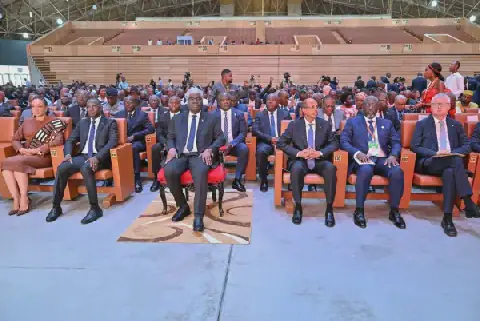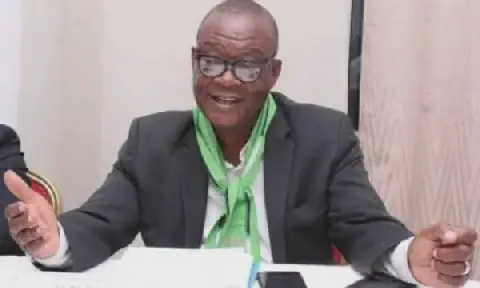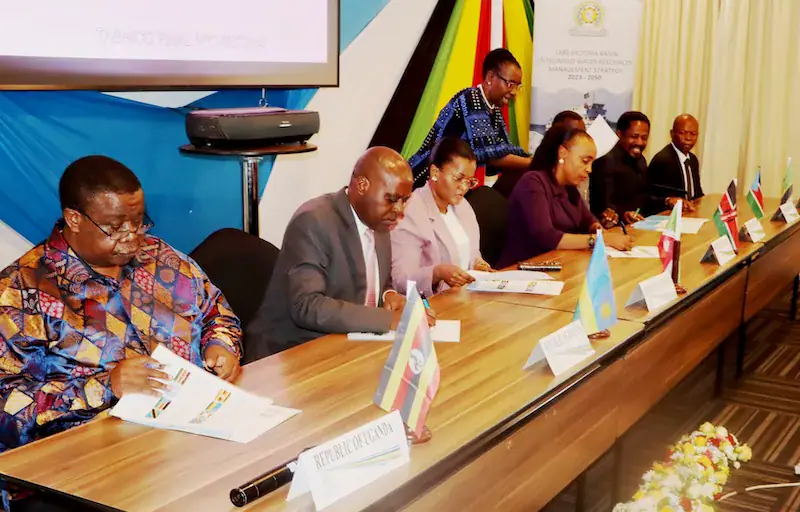
Sector ministers and high-ranking delegations from East African Community partner states met in Kisumu, Kenya, for the 24th Ordinary Meeting of the Sectoral Council of Ministers for the Lake Victoria Basin. Gen Kahinda Otafiire, chairperson of the summit and Uganda's minister of Water and Environment, issued a stark warning about the basin's ecological state. He emphasized the need for results-oriented regional cooperation to address pressing environmental concerns.
The 2025 State of the Basin Report revealed alarming findings, including that 42.6% of the basin's catchment is at high risk of erosion. Wetlands have also shrunk by about 33% between the 1980s and 2020s. Despite generating over $1.1 billion annually from 1.14 million tonnes of fisheries, these economic lifelines are imperiled by climate change and degradation. Otafiire highlighted the urgent need for collective action to mitigate these risks.
Climate change and degradation pose significant threats to the basin's economic lifelines. Otafiire cautioned delegates against looming weather extremes, citing regional climate forecasts predicting an increased likelihood of El Niño conditions and above-normal rainfall. He recalled the devastating floods of 2020, which inundated approximately 640 square kilometres of Uganda's shoreline and displaced 29,000 people.
Otafiire stressed the necessity of joint readiness to address climate-related risks. He urged the Commission and Partner States to strengthen information sharing and coordinated responses to anticipated climate risks. This includes hydrometeorological monitoring, flood forecasting, early warning systems, and coordinated management of lake levels and outflows.
Effective transboundary management requires robust institutional backing and rigorous follow-through on council decisions. Otafiire drew attention to persistent staffing shortages and governance gaps within the Lake Victoria Basin Commission, which threaten project execution. He warned that these gaps pose a serious risk to the Commission's ability to discharge its mandate effectively.
The Lake Victoria Basin Commission faces significant institutional hurdles. Otafiire emphasized that addressing these challenges is crucial to ensuring the Commission's effectiveness. He called on the Commission and Partner States to take concrete actions to address these issues and ensure the long-term sustainability of the basin's resources.
The summit's outcome will be crucial in determining the future of the Lake Victoria Basin. Otafiire's call for action underscores the need for collective responsibility and cooperation among EAC partner states. The region must work together to address the ecological pressures facing the basin and ensure the long-term sustainability of its resources.
Key points
- Gen Kahinda Otafiire urges immediate regional cooperation to address ecological pressures facing Lake Victoria.
- The 2025 State of the Basin Report reveals alarming findings, including 42.6% of the basin's catchment at high risk of erosion.
- Otafiire stresses the need for joint readiness to address climate-related risks, including hydrometeorological monitoring and flood forecasting.