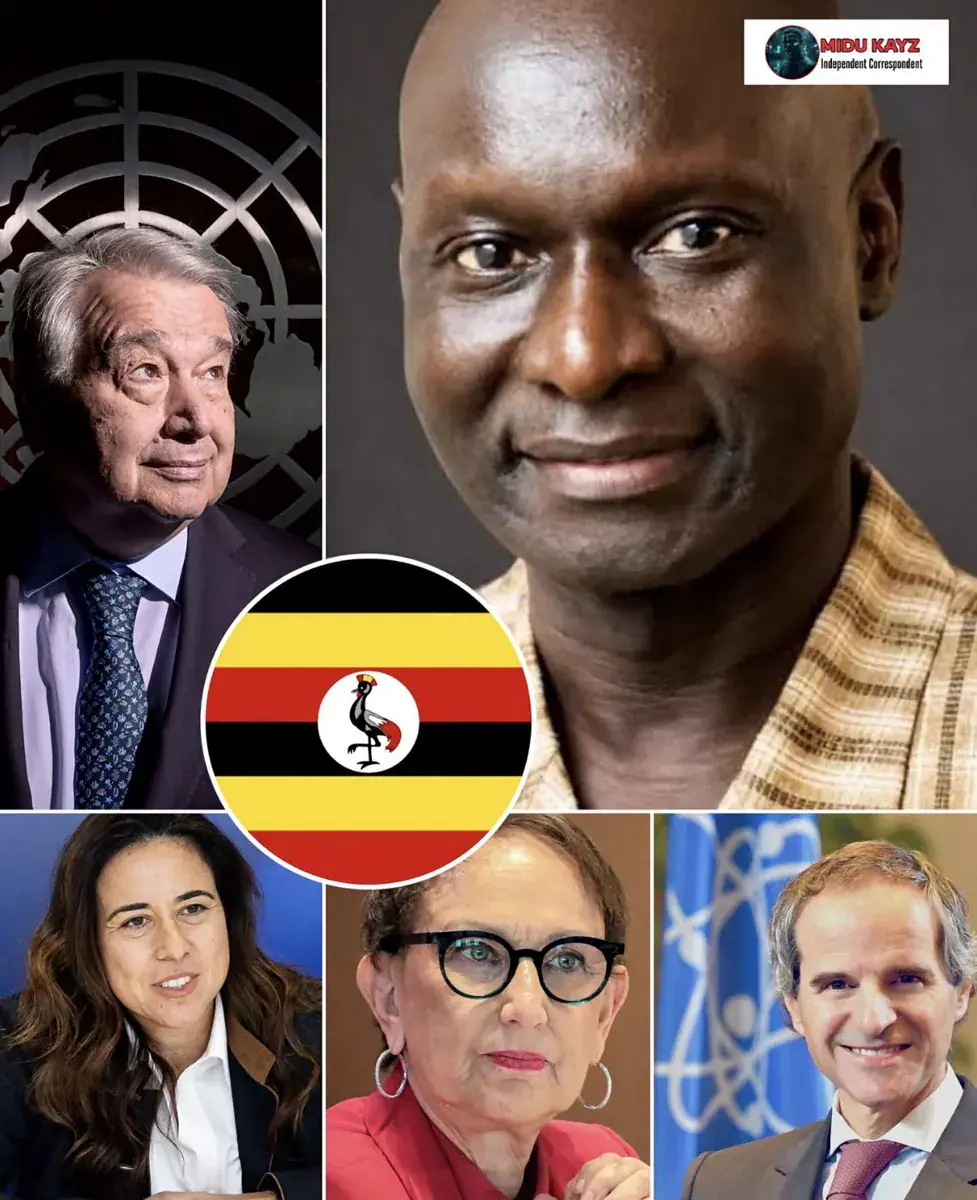
Ugandan diplomat and former United Nations senior official Olara Otunnu has emerged as Africa's only remaining candidate in the race to become the next Secretary-General of the United Nations. This development follows the withdrawal of former Senegalese President Macky Sall. Otunnu is among eight candidates expected to participate in the latest round of closed-door straw polls conducted by the UN Security Council in New York.
The UN Security Council is preparing to find a successor to outgoing Secretary-General António Guterres, whose second term ends on December 31, 2026. Sall formally withdrew his candidacy on October 17, after struggling to secure sufficient support among Security Council members in successive rounds of informal voting. His departure leaves Otunnu as the sole African representative in the increasingly competitive race.
The remaining candidates include representatives from Latin America, the Caribbean, the Middle East and other regions. There is growing attention on the possibility of the next UN chief coming from Latin America and potentially being a woman. However, Otunnu's candidacy carries a remarkable historical connection to the very process now determining the future of his campaign.
In 1981, while serving as Uganda's Permanent Representative to the United Nations and President of the Security Council, Otunnu played a crucial role in introducing the informal straw-poll mechanism used to break a deadlock in the selection of a Secretary-General. At the time, the Security Council was divided over the candidacies of Kurt Waldheim and Tanzania's Salim Ahmed Salim.
After 16 inconclusive ballots, Otunnu helped devise an informal voting arrangement that allowed members to identify candidates who could attract broader support without facing a veto from permanent members. The mechanism subsequently evolved into the straw-poll system used in subsequent UN Secretary-General selection processes. Colour-coded ballots distinguishing permanent and non-permanent Security Council members were introduced later.
Otunnu's international experience extends beyond his diplomatic career. Between 1997 and 2005, he served as the UN Under-Secretary-General and Special Representative for Children and Armed Conflict, where he worked on protecting children affected by armed conflicts worldwide. This experience could potentially strengthen his bid for the top UN position.
The next Secretary-General will require a recommendation from the 15-member Security Council before being appointed by the UN General Assembly. Although Otunnu's historic connection to the selection process gives his candidacy a unique dimension, his chances will ultimately depend on whether he can secure the necessary support from powerful Security Council members.
Key points
- Olara Otunnu is Africa's sole candidate in the race for UN Secretary-General.
- Otunnu has a historical connection to the UN Secretary-General selection process.
- The next UN Secretary-General will be appointed by the UN General Assembly.