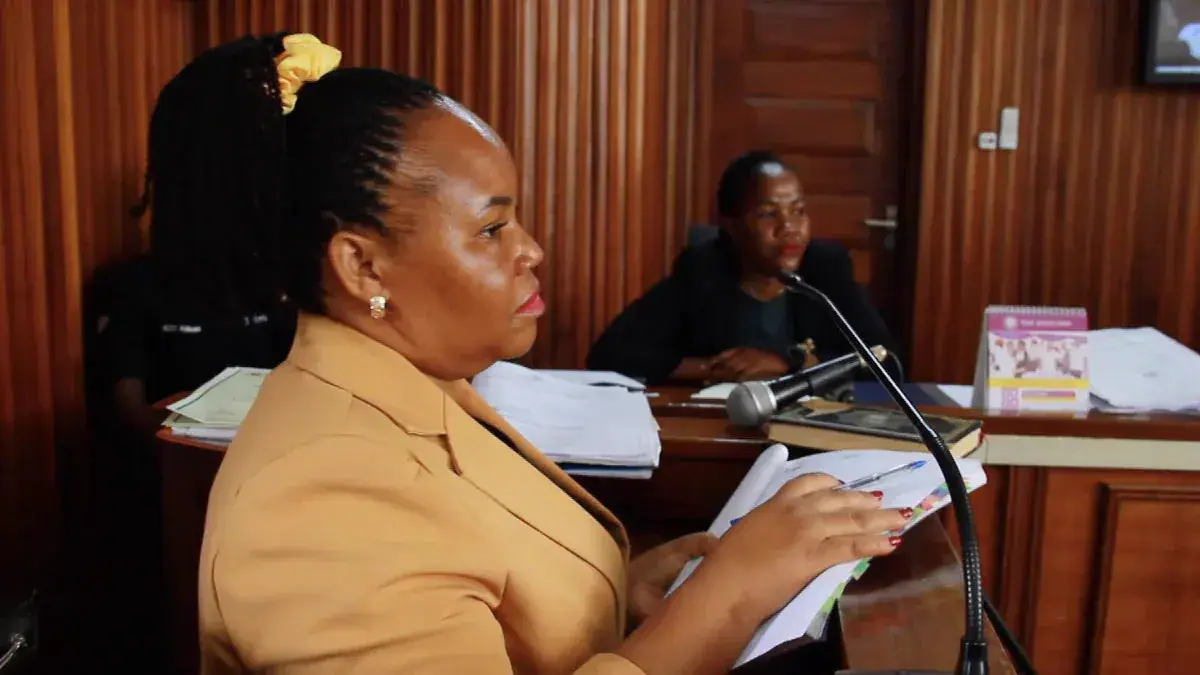
A legal dispute over the academic qualifications of Florence Nambazira, the Woman Member of Parliament for Ssembabule District, has sparked debate about the educational standards required of legislators in Uganda. Nambazira reportedly told court proceedings that she had never attended primary or secondary school, instead pursuing vocational training in hairdressing. Her predecessor, Mary Begumisa, is challenging Nambazira's qualifications, seeking to establish whether they meet the legal requirements for election to Parliament.
The controversy has raised questions about Parliament's ability to effectively scrutinise government policies and legislation. According to Article 79 of the Constitution, Parliament has the authority to make laws for Uganda's peace, order, development, and good governance. Article 80 outlines the minimum educational qualifications required of parliamentary candidates. The debate centres on whether lawmakers have the necessary educational background to handle complex policy issues, including taxation, national budgeting, and public expenditure.
The responsibilities of lawmakers in Uganda require them to understand policy proposals, question assumptions, and participate meaningfully in legislative debates. When considering tax proposals, legislators must examine their potential effects on businesses, consumers, employment, and government revenue. They must also assess whether proposed measures will achieve their intended objectives without placing unnecessary burdens on citizens. Similarly, the national budget requires MPs to scrutinise allocations to various sectors and demand explanations for expenditure decisions.
The dispute has prompted calls for rigorous verification of academic qualifications for all parliamentary candidates to prevent disputes over eligibility after elections. The Electoral Commission, National Council for Higher Education (NCHE), and other competent authorities have a responsibility to ensure that applicable requirements are properly assessed and that the nomination process maintains public confidence. The NCHE has been directed by the court to clarify the status of Nambazira's disputed qualifications.
The case has opened a wider conversation about the relationship between educational standards, parliamentary competence, and accountability in Uganda's governance. The court's findings will be central to resolving the legal dispute. Meanwhile, the broader question remains whether Uganda's systems for verifying parliamentary candidates' qualifications are sufficiently robust to protect the integrity of the country's legislative institutions.
Electoral victory should not be confused with legal eligibility for public office, maintaining that all candidates must satisfy the qualifications prescribed by law, regardless of their political affiliations or popularity. The dispute has also raised questions about the effectiveness of institutions responsible for verifying candidates' qualifications before nomination.
As the court considers the disputed qualifications, the findings are expected to determine the legal questions surrounding the case and potentially impact Uganda's legislative institutions. The court's decision may also have implications for future parliamentary candidates and the verification process for their qualifications.
Key points
- The dispute over Nambazira's qualifications has raised questions about Parliament's ability to effectively scrutinise government policies and legislation.
- The case has prompted calls for rigorous verification of academic qualifications for all parliamentary candidates.
- The court's findings will be central to resolving the legal dispute and may have implications for Uganda's legislative institutions.