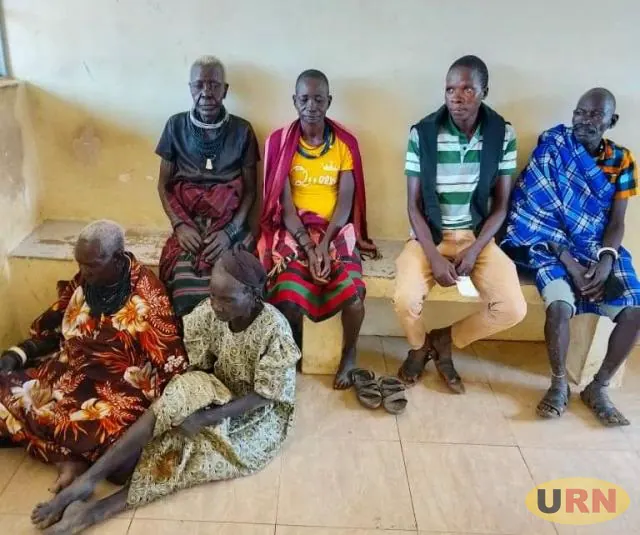
For years, residents of Kawempe neighbourhood in Uganda have seen various government programs come and go. Sarah Nakato, a resident living with a disability, recently discovered that the government allocates billions of shillings to local governments to support PWDs. Nakato learned about the money through fellow PWDs, not through a government announcement, raising concerns about the program's transparency and accessibility. She believes that the grant is often kept secret and manipulated by local officials and PWD leaders for personal gain.
Lillian Namukasa, programmes manager at the National Council for Persons with Disabilities (NCPD), confirms that complaints about the grant's misuse are not new. The council has received similar concerns over the years, and it is now known that the grant is being abused. The National Special Grant for Persons with Disabilities was established to help PWDs establish income-generating activities and participate in the economy. The scheme started in 2009/10 and was expanded in 2019/20, with government allocations growing significantly.
Despite the program's growth, with cumulative disbursements exceeding 38 billion shillings, many intended beneficiaries remain unaware of the grant. Under the guidelines issued in 2022, PWDs are expected to form groups and submit proposals for income-generating activities. However, Namukasa notes that information about the grant often remains limited to Community Development Officers, PWD leaders, and previous beneficiaries. This limits access to the program for new groups, who struggle to navigate the paperwork and learn about the grant's existence.
A recent audit by the Auditor General raised fresh concerns about the management and monitoring of the grant. The audit found that 2.19 billion shillings were released to 808 PWD groups without verification. Verification reports for some quarters were unavailable, creating a risk that funds were released to non-existent groups. The audit also found weak monitoring and the collapse of funded projects, with some groups sharing the money among members instead of investing it in approved activities.
The concerns about access and accountability are further backed by earlier studies and reports, including work by the National Union of Disabled Persons of Uganda (NUDIPU). These reports point to limited awareness of the grant, interference in beneficiary selection, inadequate business skills, and weak follow-up by local governments. For PWDs who do not access the grant, the consequences go beyond missing out on a one-off payment, as the money is intended to help groups establish businesses and build sources of income.
Namukasa proposes several measures to improve the program, including publishing lists of groups that have received funding, rotating beneficiaries, strengthening verification before disbursement, and conducting meaningful monitoring after the money is released. She also urges the government to take the publicity of the program more seriously, suggesting aggressive public sensitization through various channels. This would help ensure that the grant reaches a wider audience and provides a fair opportunity for more PWDs to benefit.
The challenge now is not only how much money the government releases but also whether the people the money was intended for know it exists, understand how to apply, and receive a fair chance to benefit. Namukasa notes that limited staffing and resources at the council constrain monitoring and oversight. She encourages people with information about alleged misuse of the funds to report the cases to the council, police, or the Inspectorate of Government.
Key points
- The National Special Grant for Persons with Disabilities has grown significantly, with cumulative disbursements exceeding 38 billion shillings.
- Many intended beneficiaries remain unaware of the grant due to limited awareness and alleged corruption.
- Proposed measures to improve the program include publishing lists of funded groups, rotating beneficiaries, and strengthening verification and monitoring.