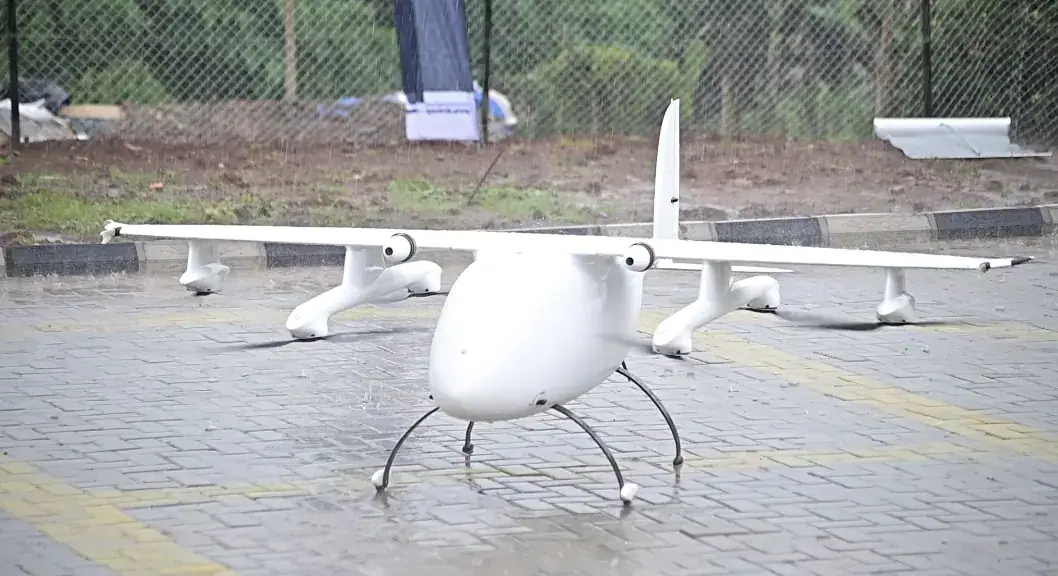
The Ministry of Health in Uganda has initiated a pilot project that utilizes medical drones to transport laboratory samples from island communities to Kampala and deliver medical supplies to remote health facilities. This project aims to improve access to healthcare for island communities by reducing the time and cost associated with traditional transportation methods. The pilot project was launched with a drone flight from Kampala to Kalangala, marking a significant step towards enhancing healthcare services in the region.
The Ministry of Health believes that this technology will significantly reduce the challenges faced in transporting medical supplies and laboratory samples to hard-to-reach areas. By using drones, the ministry expects to decrease the time taken for deliveries and lower the costs associated with transportation. This project is particularly crucial for island communities, which often face difficulties in accessing essential healthcare services due to their geographical isolation.
The launch of the medical drone pilot project is a collaborative effort between the Ministry of Health and other stakeholders. Although the specific details of the partnership are not provided, it is clear that multiple parties are involved in making this project a reality. The Ministry of Health has expressed its commitment to ensuring the success of this project, which has the potential to transform healthcare delivery in Uganda.
The use of drones in healthcare is a growing trend globally, with several countries exploring its potential benefits. In Uganda, the medical drone pilot project is expected to provide valuable insights into the feasibility and effectiveness of using drones for medical transportation. The data collected from this pilot project will likely inform future decisions regarding the expansion of this technology to other areas.
One of the primary goals of the medical drone pilot project is to improve access to healthcare for island communities. These communities often face significant challenges in accessing essential healthcare services, including laboratory testing and medical supplies. By using drones to transport laboratory samples and medical supplies, the Ministry of Health aims to bridge the gap in healthcare access and provide more equitable services to these communities.
The medical drone pilot project has the potential to enhance the overall quality of healthcare services in Uganda. By reducing the time taken for deliveries and increasing the efficiency of medical supply chains, this project can contribute to better health outcomes for patients. Furthermore, the use of drones can help to reduce the risk of medical supply chain disruptions, which can have a significant impact on healthcare services.
The Ministry of Health's medical drone pilot project marks a significant innovation in Uganda's healthcare sector. As the project progresses, it will be essential to monitor its effectiveness and address any challenges that arise. With careful planning and execution, this project has the potential to make a lasting impact on healthcare delivery in Uganda and serve as a model for other countries to follow.
Key points
- The Ministry of Health in Uganda has launched a medical drone pilot project to transport laboratory samples and medical supplies to hard-to-reach areas.
- The project aims to improve access to healthcare for island communities by reducing the time and cost associated with traditional transportation methods.
- The use of drones in healthcare has the potential to transform healthcare delivery in Uganda and provide more equitable services to island communities.