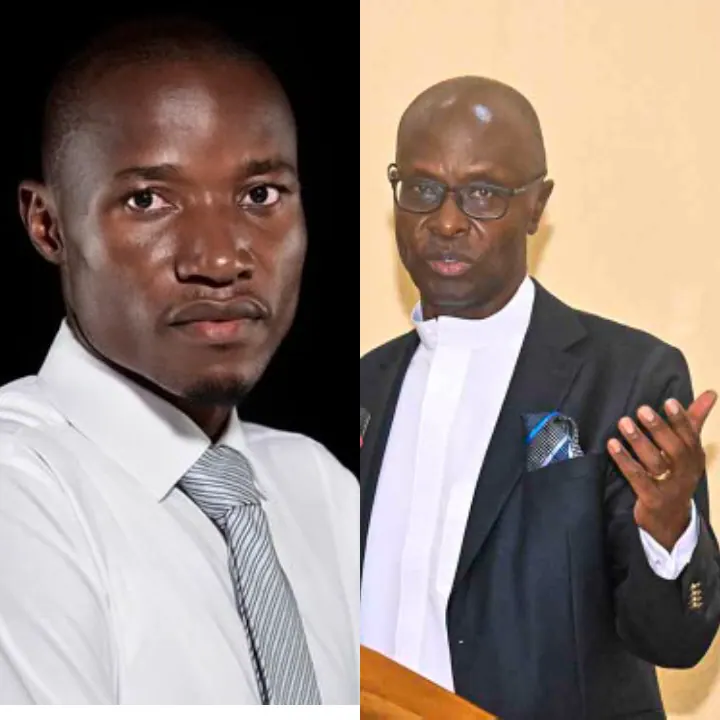
In Uganda, corruption in local governments has become a pressing concern. Moses Byaruhanga, a respected political figure, has spoken out against the issue, highlighting the need for accountability. He notes that the 1997 Local Government Act aimed to empower local councils, but instead, district service commissions have become hubs for corruption, with jobs being sold to the highest bidder. This has resulted in qualified individuals being sidelined, and rural taxpayers suffering.
The misuse of funds is another significant issue. Byaruhanga revealed that Sh301 billion and Sh357 billion were returned to the Treasury in FY 2023/24 and FY 2024/25, respectively. This is a stark reminder of the catastrophic failure of leadership in local governments. The funds, meant for essential services like water, roads, and primary healthcare, were not utilized, leaving citizens to bear the brunt. Byaruhanga's sentiments are echoed by citizens who are frustrated with the current state of affairs.
The Parish Development Model (PDM), which allocates Sh100 million per parish, has also been affected by the corruption. The model aims to improve the livelihoods of citizens, but its implementation has been hindered by the rot in local governments. Byaruhanga's call for accountability resonates with citizens who are demanding action. The Ministry of Health's IT system, which tracks medicine distribution, is a step in the right direction, but its effectiveness is hindered by corrupt officials.
The recent actions of Ministers Balaam Barugahara and Justine Nameere have been commended by Byaruhanga. They have exposed the corruption in local governments, but more needs to be done. The district chairpersons and chief administrative officers who returned unspent funds must be held accountable and prosecuted for causing financial loss to the country. Citizens are demanding punitive action against those responsible for the corruption.
The opposition has welcomed Byaruhanga's sentiments, with some leaders pledging to push for accountability. The National Resistance Movement (NRM) has also weighed in, with the party's Publicity Secretary, Hakim Kyeswa, saluting Byaruhanga for his patriotism. Kyeswa emphasized the need for citizens to remain vigilant and demand accountability from their leaders.
To truly honor the work of Balaam and Nameere, structural changes are necessary. The current system, which allows corruption to thrive, must be overhauled. Citizens must be empowered to demand accountability and transparency from their leaders. The government must also take concrete steps to address the corruption, including prosecuting those responsible and implementing measures to prevent future occurrences.
As Uganda moves forward, the need for accountability and transparency in local governments has never been more pressing. Byaruhanga's call to action serves as a reminder that citizens have a crucial role to play in demanding change. With continued pressure from citizens and leaders like Byaruhanga, Balaam, and Nameere, there is hope for a more accountable and transparent local government system.
Key points
- Moses Byaruhanga criticizes local government corruption, citing unspent funds and job sales.
- The 1997 Local Government Act aimed to empower local councils, but corruption has hindered its implementation.
- Citizens and leaders are demanding accountability and punitive action against those responsible for the corruption.