Uganda has made significant progress in the fight against HIV, but the latest figures suggest the country may be hitting a plateau. According to the 2025 Uganda Population-Based HIV Impact Assessment (UPHIA), 5.9% of Ugandans aged 15 years and above are living with HIV, translating to about 1.496 million people. The figures were released by Health Minister Dr. Chris Baryomunsi at the Uganda Media Centre in Kampala.
The prevalence among women stands at 7.3%, compared with 4.1% among men, indicating a significant gap in HIV burden between the two sexes. For Ugandans aged 15 to 49 years, HIV prevalence is 5.5%, with women in this age group having a prevalence of 7.1%, while men stand at 3.5%. The national figure has barely changed from the 2020-21 assessment, suggesting that the downward trend in HIV prevalence has slowed.
The assessment reveals a sharp geographical divide in HIV prevalence across different regions. The Southwestern region has the highest HIV prevalence at 8%, followed by Central 1 at 7.3%, and Central 2 at 7.2%. In contrast, West Nile has a prevalence of 1.4%, and Karamoja has a prevalence of 1.3%. Baryomunsi warned that HIV remains a risk in every part of Uganda, and the Ministry wants to understand why some regions have significantly higher prevalence than others.
The assessment also exposes significant differences in HIV prevalence between young men and women. Overall, HIV prevalence among people aged 15 to 24 years is 1.5%, with women accounting for 2%, compared with 1% among men. Among men aged 15 to 19, prevalence is 0.6%, rising to 1.5% among those aged 20 to 24. Among women, prevalence rises from 1.3% among 15–19-year-olds to 2.8% among those aged 20–24.
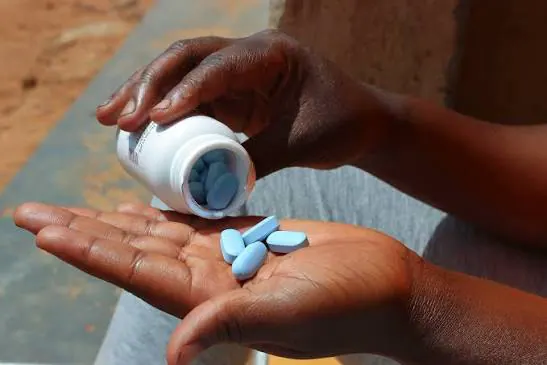
Despite the worrying prevalence figures, the assessment contains some positive news. Baryomunsi said almost everyone who knows they are HIV-positive is on treatment, and almost everyone on treatment has achieved viral suppression. The biggest gap is occurring before treatment, with about one in every 70 people living with HIV not knowing their status. The Minister challenged Ugandans to test and know their status.
The 2025 assessment was conducted between July and September 2025, involving households across all regions of Uganda. Out of 6,283 eligible households, 94.4% participated, with 96.2% of eligible women aged 15 and above being interviewed, compared with 91.2% of eligible men. HIV testing was subsequently conducted among 97.8% of interviewed women and 97.4% of interviewed men. The survey was led by the Ministry of Health, together with Makerere University School of Public Health, UBOS, Uganda Virus Research Institute, regional referral hospitals, and districts, with funding from PEPFAR through the US CDC.
The preliminary findings will provide the government with evidence to determine where HIV prevention, testing, treatment, and other health services need to be strengthened. The Ministry aims to use this information to target interventions and address the gaps in HIV prevention and treatment.
Key points
- Almost everyone who knows they are HIV-positive is on treatment, and almost everyone on treatment has achieved viral suppression.
- The biggest gap in HIV prevention is occurring before treatment, with about one in every 70 people living with HIV not knowing their status.
- The HIV prevalence among women stands at 7.3%, compared with 4.1% among men, indicating a significant gap in HIV burden between the two sexes.