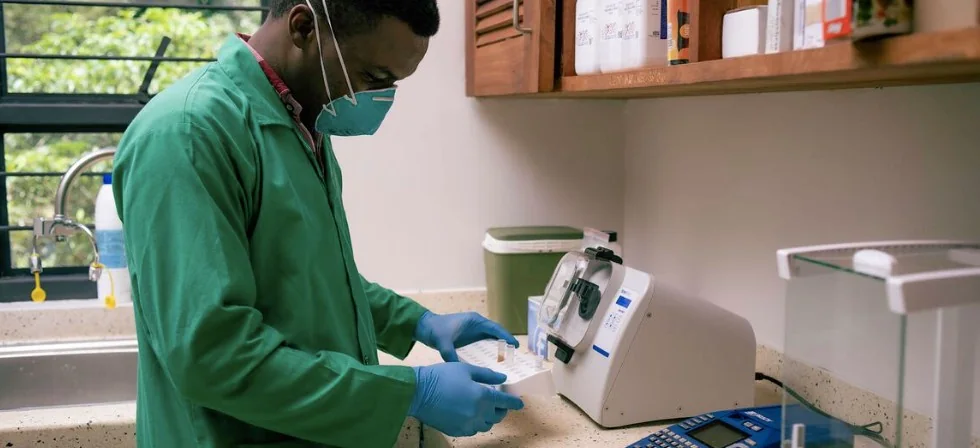
Uganda has launched a dedicated wildlife forensics laboratory in Entebbe, utilizing DNA and scientific methods to identify seized animal products. The Uganda Wildlife Forensics and Timber Laboratory has processed cases involving elephant ivory, pangolin scales, bushmeat, and other remains. This enables investigators to determine species when visual identification is impossible, significantly aiding in wildlife crime prosecutions.
The laboratory has already contributed to a notable case, where forensic analysis confirmed a police-seized package contained elephant ivory. This led to the arrest of the sender two months later and the discovery of additional ivory and warthog tusks at his home. The suspect was convicted of attempted trafficking and illegal possession, receiving a 15-year prison term. This success demonstrates the lab's potential to boost convictions.
Laboratory manager Patrick Chiyo highlighted that poachers often remove identification features from carcasses, making scientific identification crucial for prosecution. DNA testing can reveal the species even when physical markers are removed, providing robust evidence that courts increasingly require. This capability is essential in combating wildlife trafficking, which often involves the deliberate destruction of identifying features.
The Entebbe lab originated from a 2019 wildlife forensics initiative backed by the Ugandan government, UNODC, and the TRACE Wildlife Forensics Network. Its recent expansion, funded by the European Union and Denmark, has enhanced its capabilities. The addition of timber forensics in April allows investigators to verify the legality of wood harvests and identify species, critical in addressing the illegal timber trade.
The expansion of the lab's capabilities arrives as Uganda continues to face pressure from wildlife trafficking networks. The UN's 2024 World Wildlife Crime Report linked Uganda to major ivory routes, underscoring the need for enhanced enforcement measures. The lab's work is crucial in disrupting these networks and protecting endangered species.
The use of DNA testing and other scientific methods at the Entebbe lab has set a new standard for wildlife crime investigations in the region. By providing conclusive evidence, the lab is helping to secure tougher sentences for traffickers and deterring others from engaging in similar activities. This development is a significant step forward in the fight against wildlife trafficking.
The Uganda Wildlife Forensics and Timber Laboratory's work has significant implications for conservation efforts in the region. By enabling the identification of seized animal products and timber, the lab is helping to disrupt the supply chain of illicit goods and bring perpetrators to justice. This, in turn, can contribute to the protection of endangered species and the preservation of ecosystems.
Key points
- The Entebbe lab uses DNA testing to identify seized animal products, helping secure tougher sentences for traffickers.
- The lab has contributed to a notable case, resulting in a 15-year prison term for a convicted trafficker.
- The lab's expansion includes timber forensics, enabling investigators to verify the legality of wood harvests and identify species.