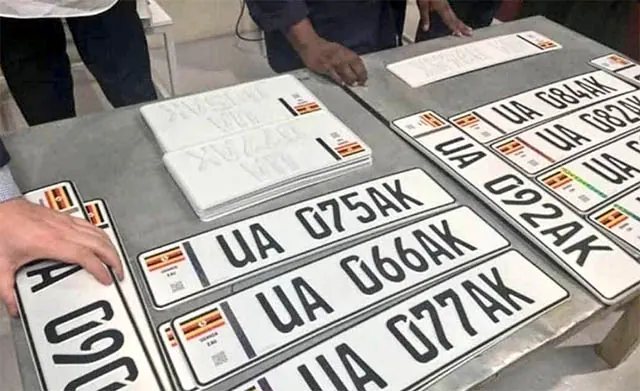
Uganda's boda-boda operators, through the Alliance Transport and Allied Workers Cooperative Union (UTA), have asked Parliament to review the implementation of the digital number plate system. The union, which represents various transport workers, says the rollout has created significant operational and financial challenges. UTA supports the government's decision to digitize number plates, citing benefits such as strengthened vehicle identification and improved security. However, the union argues that the current implementation has caused substantial hardship for transport operators who rely on their vehicles for daily income.
According to UTA, digital plate registration, issuance, and replacement delays have left some motorcycles grounded for weeks or months. Some motorists who have paid for plates have reportedly waited several months or more than a year. The union estimates that over 72% of commuters rely on public transport, including over 1.2 million boda-bodas, 21,000 diesel taxis, and 900 diesel buses. The transport sector is the second-largest employer after agriculture, with operators and owners investing an estimated Shs4.2 trillion in motorcycles, taxis, and buses.
UTA cites high costs as a central concern, with the Ministry of Works and Transport publishing a fee schedule listing Shs714,300 for first-time motorcycle registration. The union argues that this charge, compared to the previous Shs125,000 charge, adds significantly to the cost of acquiring a motorcycle. UTA estimates that the charge represents about 11% of the average Shs5 million cost of a motorcycle. The union also raises concerns about affordability and equity, as the same charge is applied to boda-boda riders and owners of more expensive vehicles.
The union highlights the impact of delays on boda-boda riders, who depend on daily cash flow of between Shs20,000 and Shs40,000. When motorcycles are grounded due to plate delays, riders immediately lose income. Operators who have acquired new motorcycles may also be unable to begin work when the motorcycles remain in bonded warehouses awaiting digital plates. UTA says this has disrupted asset-financing businesses and left importers servicing loans on idle stock.
UTA also raises concerns about limited public sensitization, saying some operators are unclear about how the system works, what information is collected, and how tracking operates. The union further raises privacy concerns, with some motorists worried about real-time tracking of their movements and possible misuse of personal data. Despite these concerns, UTA supports the broader objective of modernizing Uganda's transport system and proposes several recommendations to improve implementation.
Among its recommendations, UTA suggests clearly defining registration, issuance, and replacement timelines, with a service period of between seven and 14 days. The union also proposes a public dashboard showing progress, backlogs, and expected completion dates, as well as more installation centers and mobile registration units. UTA is also calling for subsidized digital plate costs for low-income public transport operators and government-supported financing for motorcycle buyers affected by delays.
UTA has asked the parliamentary committee to consider its recommendations, which include temporary permits for riders whose motorcycles are grounded due to plate delays, waiving penalties caused by system failures or backlogs, and compensation mechanisms for motorists who have paid but cannot operate due to administrative delays. The union believes that the digital number plate system can strengthen security, enforcement, and mobility, but its success will depend on collaboration, accountability, and responsiveness to operator concerns.
Key points
- The Union cites high costs and delays in digital plate registration, issuance, and replacement as major concerns.
- UTA proposes several recommendations to improve implementation, including clearly defined timelines and subsidized digital plate costs.
- The digital plate system aims to strengthen vehicle identification, improve security, and provide a clearer enforcement mechanism.