The Ugandan government is taking steps to address the healthcare needs of its ageing population. According to the 2024 census, the country has approximately 2.6 million people aged 60 and above. However, the healthcare system is struggling to meet their needs, with only one public geriatric medicine doctor available to serve this population. This shortage of specialised doctors has prompted the government to explore new strategies to improve healthcare delivery for older persons.
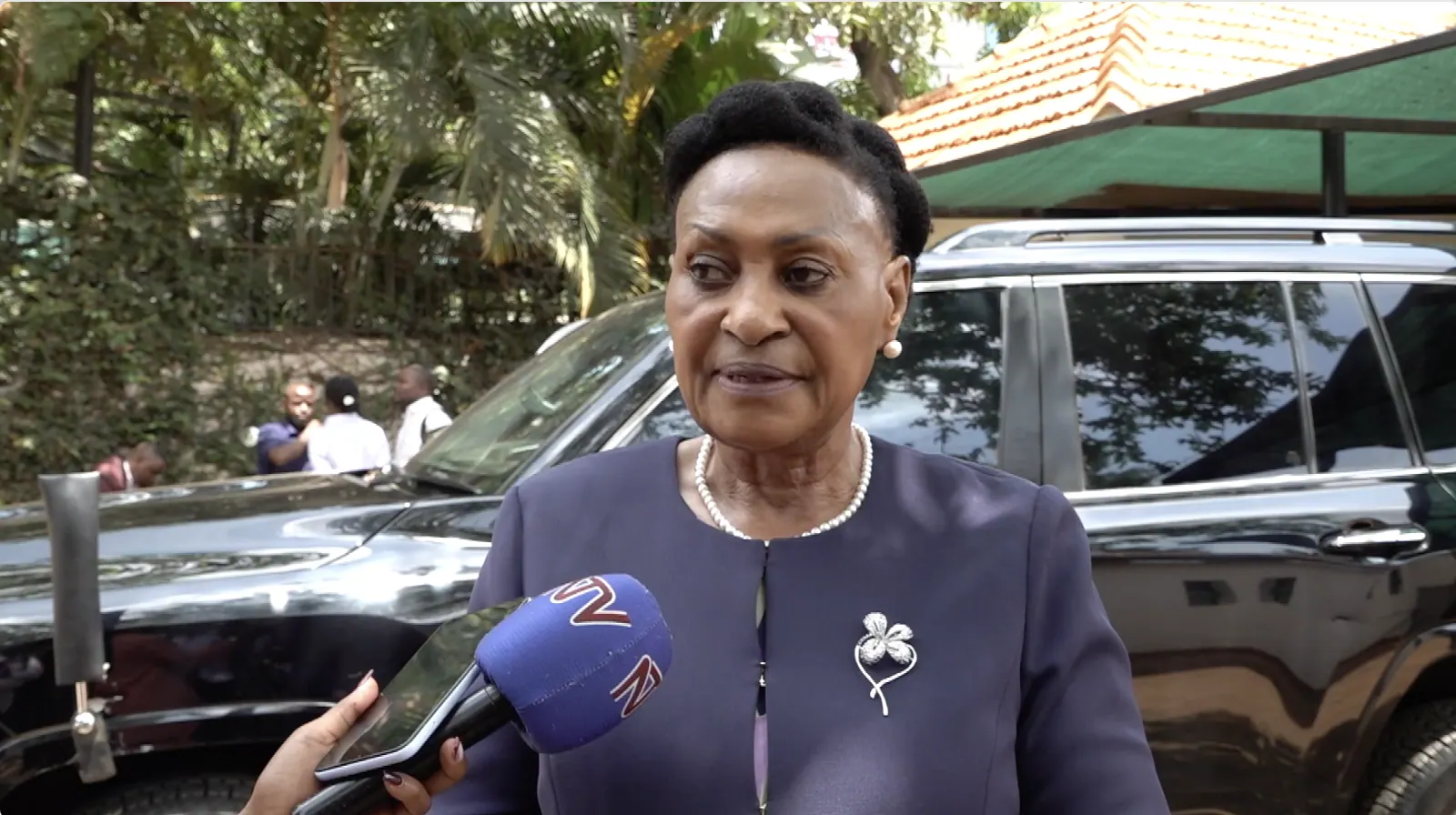
The State Minister for Elderly Persons Affairs, Jacqueline Mbabazi, has announced plans to introduce an abridged curriculum on geriatric care for all medical practitioners nationwide. This move aims to equip more doctors with the necessary skills to provide specialised care for older persons. The minister made these remarks ahead of the International Day of Older Persons, which is celebrated on October 1. The day serves as a reminder of the need to address the challenges facing older persons, including access to healthcare.
The introduction of the abridged curriculum is seen as a critical step towards addressing the shortage of geriatric medicine doctors in Uganda. The current doctor is responsible for serving the entire older persons population, a task that is clearly unsustainable. By training more medical practitioners in geriatric care, the government hopes to improve health outcomes for older persons and reduce the burden on the existing doctor.
The Ugandan government is also highlighting the importance of addressing the healthcare needs of older persons. As the population ages, the demand for specialised healthcare services is likely to increase. The government's efforts to introduce an abridged curriculum on geriatric care are seen as a proactive response to this challenge. The move is expected to improve the quality of healthcare services for older persons and enhance their overall well-being.
The International Day of Older Persons serves as a reminder of the need to promote healthy ageing and address the challenges facing older persons. In Uganda, older persons often face significant barriers in accessing healthcare services, including a lack of specialised care and support. The government's efforts to address these challenges are seen as a positive step towards promoting healthy ageing and improving the lives of older persons.
The abridged curriculum on geriatric care is expected to be rolled out nationwide, providing medical practitioners with the necessary skills to provide specialised care for older persons. The government is also expected to increase funding for healthcare services for older persons, including the recruitment of more geriatric medicine doctors. These efforts are seen as critical to addressing the healthcare needs of Uganda's ageing population.
The Ugandan government's efforts to address the healthcare needs of older persons have been welcomed by stakeholders. The introduction of the abridged curriculum on geriatric care is seen as a critical step towards improving healthcare delivery for older persons. The government's commitment to promoting healthy ageing and addressing the challenges facing older persons is expected to have a positive impact on the lives of millions of Ugandans.
Key points
- The Ugandan government has only one public geriatric medicine doctor for 2.6 million older persons.
- The government plans to introduce an abridged curriculum on geriatric care for all medical practitioners nationwide.
- The move aims to improve healthcare delivery for older persons and address the shortage of specialised doctors.