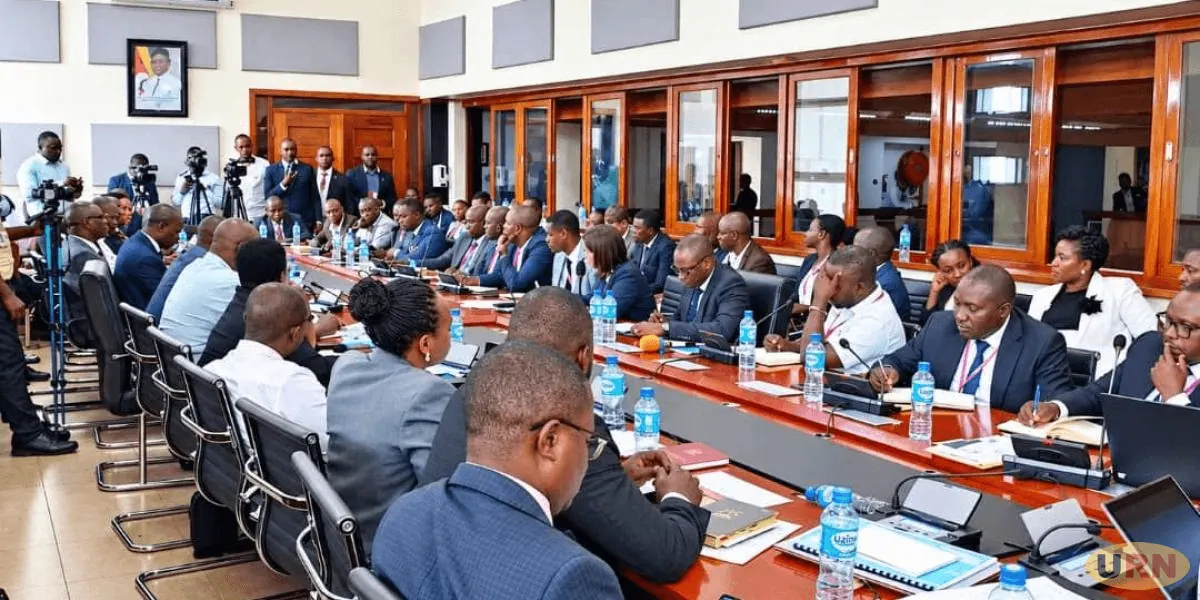
The Ugandan Parliament's Infrastructure Committee has initiated an investigation into the country's digital number plate project. The probe follows allegations that the government is losing over UGX 106 billion in tax revenue. The committee received conflicting figures from the Ministry of Works and Transport and the company implementing the Intelligent Transport Monitoring System (ITMS). These discrepancies have raised questions about the project's production capacity, imports, revenues, and financial arrangements.
Committee chairperson Mwine Mpaka stated that a report presented by the Ministry indicated a weekly loss of approximately UGX 4 billion in tax revenue. Additionally, the number of digital number plates being issued has decreased from 350 to 100. However, the contractor claims it can install around 1,500 digital number plates daily. The committee has demanded records on production, importation, and revenue generated by the project to clarify these inconsistencies.
The committee is examining claims that the project generates over UGX 1 billion daily, with some of the funds allegedly leaving the country. Stakeholders arrived at this figure using a reported cost of UGX 714,000 per plate and the contractor's claimed capacity of 1,500 installations daily. However, Parliament has not yet verified this computation. The committee has requested import records to establish the number of digital number plates and raw materials entering Uganda.
Bwire Kezekia, chairperson of the Clearing and Forwarding Association, has challenged the Uganda Revenue Authority to verify whether the reported production capacity is reflected in import declarations. Kezekia noted that clearing agents experienced shortages between May and June, with some motorists waiting up to three months for number plates after paying taxes and fees.
The inquiry has raised concerns about the project's implications for Uganda's manufacturing sector. The decision to place the supply arrangement in the hands of a single company has been questioned. Allan Ssenyondwa, Director of Policy Research and Advocacy at the Uganda Manufacturers Association, warned that treating the project as a security matter could have economic consequences. Ssenyondwa suggested allowing other qualified manufacturers to participate while maintaining security and tracking requirements.
Frank Mawejje, chairperson of the Union Transport Alliance, has asked Parliament to examine the ownership and operations of ITMS. Mawejje questioned the company's ownership structure and its role in implementing the project. He also expressed concerns about the displacement of local companies previously involved in number plate production, such as Tumpeco.
The committee plans to obtain records from government agencies, conduct field visits, and engage other stakeholders to establish the project's actual production capacity and financial implications. The inquiry aims to find a solution that addresses the concerns without compromising the project's security objectives. The committee expects to obtain answers within two weeks and present its findings and recommendations to Parliament.
Key points
- The Ugandan Parliament's Infrastructure Committee has launched an investigation into the digital number plate project due to allegations of a potential UGX 106 billion loss in tax revenue.
- The committee has received conflicting figures from the Ministry of Works and Transport and the company implementing the Intelligent Transport Monitoring System (ITMS).
- The inquiry has raised concerns about the project's implications for Uganda's manufacturing sector and the decision to place the supply arrangement in the hands of a single company.