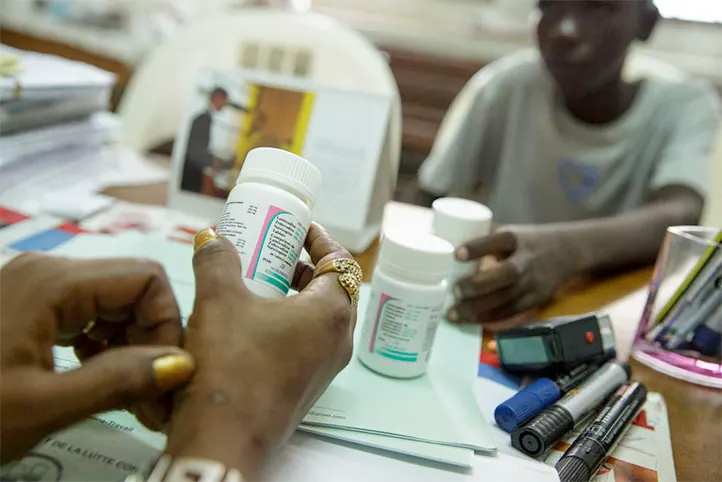
Uganda has made significant progress in the fight against HIV, with new data from the 2025 Uganda Population-based HIV Impact Assessment (UPHIA) showing that 86% of adults living with HIV have suppressed the virus, rendering it undetectable in their blood and untransmittable to sexual partners. This is a substantial increase from 75.4% in 2020. The country's Minister of Health, Dr. Chris Baryomunsi, attributes this success to the availability of antiretroviral drugs, which have enabled people living with HIV to live normally.
Despite this progress, a significant gap remains at the front door of care, with approximately 14.7% of HIV-positive adults, or around 15,000 people, remaining unaware of their status. This makes them vulnerable to illness and inadvertently spreading the infection. The Ministry of Health and civil society leaders are working to address this issue and ensure that everyone living with HIV knows their status and has access to life-saving medication.
There are also disparities in viral suppression rates among different age groups and regions. While older adults achieve viral suppression rates above 93%, young women aged 15 to 24 have a significantly lower rate of 64.1%. Health officials attribute this to inconsistent pill-taking, driven by stigma, lack of privacy, and inadequate youth-friendly support. This highlights the need for targeted interventions to support young people living with HIV.
Civil society leaders are warning against complacency, despite the progress made. Flavia Kyomukama, Executive Director of the National Forum of People Living with HIV/AIDS (NAFOPHANU), notes that Uganda still registers around 36,648 new HIV infections every year. She also expresses concern about recent funding cuts to USAID and donor-backed programs, which have disrupted community peer networks that previously helped young people disclose their status and stick to daily treatment.
Regional disparities in HIV prevalence also persist, with rates ranging from 8% in the South Western region and over 7% in Central Uganda, down to 1.3% in Karamoja. The Ministry of Health plans to investigate these differences further and develop targeted strategies to address them. This will help ensure that everyone living with HIV, regardless of their location, has access to the care and support they need.
The progress made in Uganda is a testament to the effectiveness of antiretroviral therapy and the importance of continued investment in HIV programs. Dr. Baryomunsi notes that the availability of antiretroviral drugs has enabled people living with HIV to live normally, and that the country's goal of eliminating HIV by 2030 is within reach. However, sustained efforts are needed to address the remaining gaps and disparities.
To achieve the goal of eliminating HIV by 2030, Uganda will need to continue to prioritize HIV testing, treatment, and care. This will require a sustained commitment from the government, civil society, and international partners. With continued progress and investment, Uganda can become a model for HIV elimination in Africa and beyond.
Key points
- Approximately 14.7% of HIV-positive adults in Uganda, or around 15,000 people, remain unaware of their status.
- Viral suppression rates among young women aged 15 to 24 are significantly lower than among older adults, at 64.1%.
- Uganda still registers around 36,648 new HIV infections every year, highlighting the need for continued efforts to address the epidemic.