The government of Uganda has launched a National Energy Compact aimed at expanding electricity access and promoting clean cooking solutions. The compact, which requires an estimated $17.7 billion in investment over five years, sets out to increase electricity access to 85% and modern cooking solutions to 50% by 2030. This ambitious program is part of Mission 300, a joint initiative of the African Development Bank Group and the World Bank Group to connect an additional 300 million people across Africa to electricity by 2030.
Currently, national electricity access in Uganda stands at 60%, with a significant disparity between rural and urban areas. Rural access is estimated at 43%, compared to 80% in urban areas. The government now targets rural electricity access of 75% and urban access of 95% by 2030. To achieve this, the compact proposes expanding the national grid, deploying approximately 2,712 mini-grids, and increasing the use of stand-alone solar systems. The compact also targets six million solar home systems cumulatively by 2030, building on approximately four million units already deployed by the end of 2025.
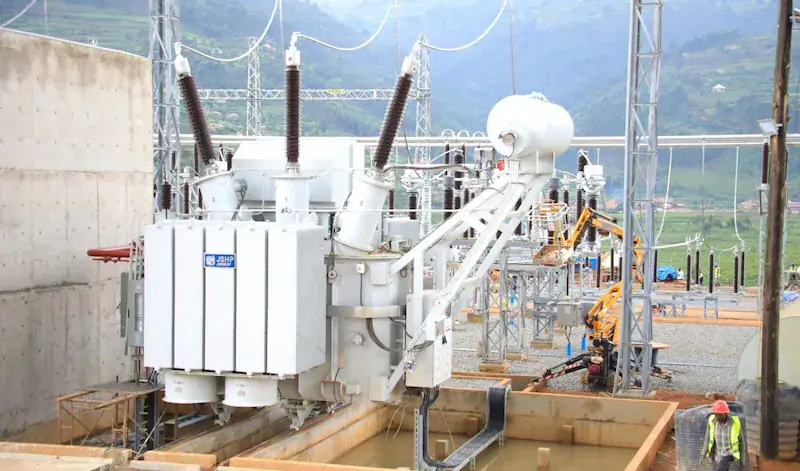
In electricity generation, Uganda plans to increase its operational installed capacity from approximately 2,099 megawatts in 2025 to 2,500 megawatts by the end of 2030. A further 5,800 megawatts of generation projects are expected to reach financial close within the same period. The compact identifies hydropower, solar photovoltaic, geothermal, battery energy storage, wind, and biomass as technologies expected to support future generation. It also proposes accelerating solar power development, with a target of five gigawatts by 2030.
The compact also addresses clean cooking, where the government seeks to increase access from approximately 25% in 2025 to 50% by 2030. This will involve extending modern cooking solutions to more than 4.6 million additional households. The proposed interventions include liquefied petroleum gas (LPG), electric cooking, bioethanol, biogas, and improved cookstoves. To support adoption, the compact proposes establishing a Clean Cooking Acceleration Facility under the Uganda Energy Credit Capitalisation Company (UECCC).
Financing remains central to the implementation of the program, with the compact estimating total public and private investment requirements at $17.7 billion between 2026 and 2030. The government has committed to mobilising approximately $9.4 billion in additional private capital across electricity generation, transmission, distributed renewable energy, and clean cooking. Proposed financing measures include competitive procurement, private investment in electricity transmission, guarantees, and blended-financing facilities.
The government also plans to strengthen the electricity distribution network, targeting a reduction in distribution losses from 18.2% in the fourth quarter of 2025 to below 12% by 2030. Proposed interventions include improved metering, network rehabilitation, better revenue collection, automation, and measures to combat electricity theft. The compact attributes persistent losses to operational and commercial weaknesses in the distribution system.
The National Energy Compact is a significant step towards achieving Uganda's energy goals, and its implementation will require close collaboration between the government, private sector, and development partners. With the right investments and policies in place, Uganda can make significant progress in expanding electricity access and promoting clean cooking solutions, ultimately improving the lives of its citizens.
Key points
- The government targets 85% electricity access and 50% modern cooking solutions by 2030.
- The compact requires an estimated $17.7 billion in investment over five years.
- The program aims to extend modern electricity services to more than 13 million additional people by 2030.