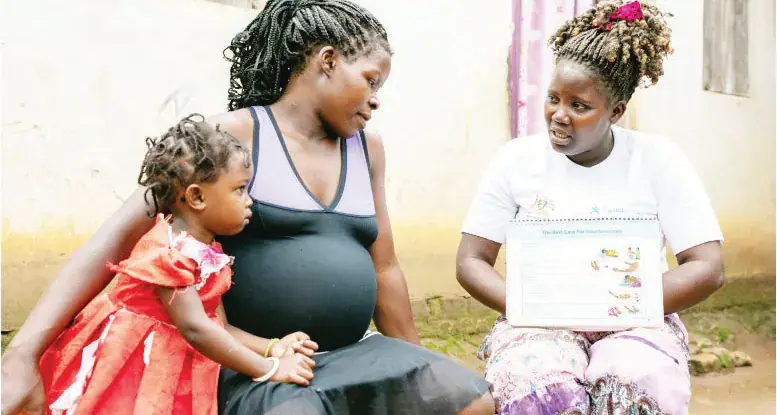
The Ugandan government has launched a €12.75 million (Shs 54 billion) health project, dubbed PRISMA, to improve maternal and child healthcare in northern and eastern Uganda. The three-year project, which will run until June 2029, targets at least 550,000 mothers and children. It will cover 32 health facilities in 11 administrative areas across the Acholi, Lango, West Nile and Karamoja subregions. The project aims to strengthen Uganda's health system through an integrated approach combining healthcare delivery, professional training, scientific research and improved governance.
The PRISMA project seeks to improve access to and the quality of maternal, neonatal and child healthcare, strengthen infection prevention and control, and promote responsible use of antimicrobial medicines. It will also support early cancer diagnosis, prevention and treatment, strengthen clinical pathways for cancer care and increase community awareness and participation. The participating areas include Agago, Amuru, Gulu City, Gulu District, Nwoya, Moroto, Napak, Oyam, Lira City, Lira District and Nebbi.
Second Deputy Prime Minister Crispus Walter Kiyonga, speaking at the launch, emphasized the need for healthcare programmes to be designed around Uganda's largely rural population. He noted that the majority of citizens live in villages and depend on services delivered close to their communities. Kiyonga cited Karamoja as an example of the difficulties involved in delivering healthcare to communities whose movements are influenced by drought and the search for water and pasture.
Kiyonga also pointed to mountainous and hard-to-reach communities where poor road networks and limited communication infrastructure make it difficult for health workers to access patients. He said the challenges should inform the design of healthcare interventions to ensure that communities in remote locations are not left behind. Health minister Chris Baryomunsi said Uganda continues to face a double burden of disease, with communicable diseases such as malaria, tuberculosis and diarrhoeal infections existing alongside a growing number of noncommunicable diseases.
Baryomunsi welcomed the PRISMA project, saying its focus on maternal health, child health and cancer addressed some of Uganda's pressing healthcare needs. He said government would support the programme, adding that existing interventions had contributed to improvements in health indicators, including reductions in HIV prevalence and maternal mortality. The minister also indicated that government was open to considering tax exemptions on equipment, medical devices and other items required to deliver essential health services under the project.
Mauro Massoni, the Italian ambassador to Uganda, said PRISMA represented another milestone in the longstanding relationship between Uganda and Italy, built over more than six decades of cooperation. The project is expected to strengthen Uganda's health system and improve healthcare services for mothers and children in northern and eastern Uganda.
The PRISMA project has three main goals: to improve maternal and child healthcare, to strengthen the prevention, diagnosis and treatment of cancer, and to strengthen Uganda's health system. Key areas of focus include improving access to quality healthcare, promoting responsible use of antimicrobial medicines, and increasing community awareness and participation.
Key points
- The project will cover 32 health facilities in 11 administrative areas across the Acholi, Lango, West Nile and Karamoja subregions.
- The project aims to strengthen Uganda's health system through an integrated approach combining healthcare delivery, professional training, scientific research and improved governance.
- The project targets at least 550,000 mothers and children in northern and eastern Uganda.
Reporting sources
- Shs 54bn health project targets 500,000 mothers and children · The Observer