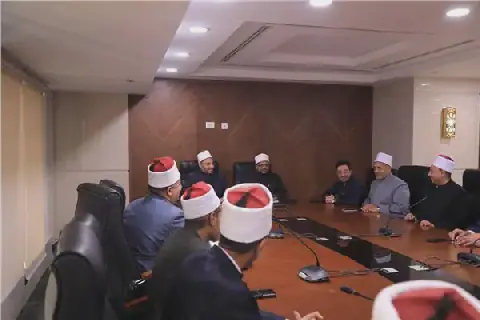
In Mbale, Uganda, local hotel owners and tour guides recently gathered to celebrate a significant milestone. The World Health Organization and the Africa Centres for Disease Control and Prevention declared Uganda free of the 2026 Bundibugyo Ebola virus outbreak. This news coincided with World Tourism Day, providing an economic boost to the nation. The declaration has restored international confidence in Uganda's tourism industry, which is a critical sector supporting over 876,000 jobs.
President Yoweri Museveni announced on September 27 that Uganda is open for business and tourism, highlighting the country's epidemic response capacity. The swift containment of the Ebola outbreak demonstrates Uganda's ability to respond to health crises. Tourism Minister Col. (Rtd) Tom Butime emphasized the need to convert digital interest into actual bookings and encourage tourists to stay longer and spend more outside traditional national parks.
In 2025, Uganda welcomed 1.64 million international arrivals, generating $1.62 billion in foreign exchange and contributing nearly 6 per cent to national GDP. However, the government faces the challenge of converting online interest into local revenue. To address this, the government has allocated Shs 567 billion for the 2026/27 financial year to drive global marketing and AI-driven destination tools.
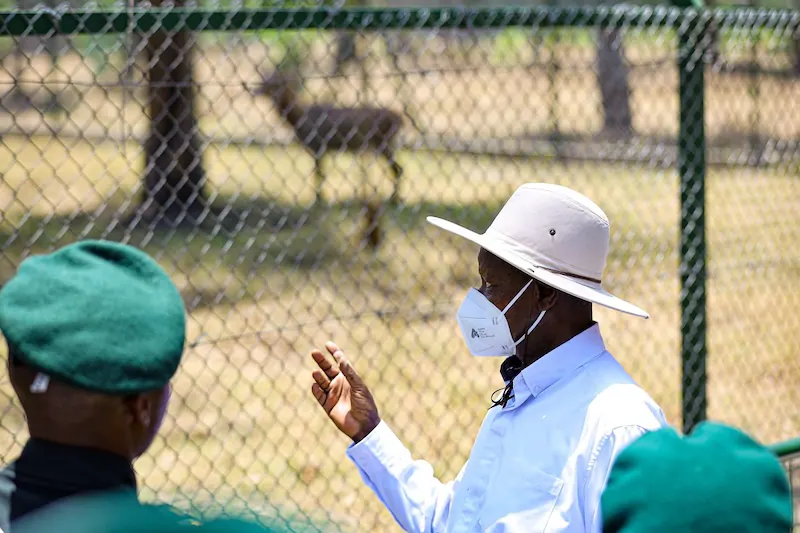
The government aims to diversify attractions beyond traditional savanna game drives, positioning the Elgon region as a key test case for regional tourism circuits. The Elgon region offers waterfalls, hiking trails, cultural Imbalu ceremonies, and Arabica coffee experiences. A new regional wildlife centre in Mbale City has been launched to anchor this circuit, providing wildlife education to local communities and giving international visitors a reason to extend their stays.
Officials emphasize that technology must serve local workers rather than replace them. While artificial intelligence can help personalize marketing and predict visitor trends, human hospitality is essential to the tourism product. Minister Butime noted that AI can sell the destination, but only Ugandans can deliver the experience.
As global travel stabilizes post-Ebola clearance, the government is calling on Ugandans to build a stronger domestic tourism base. Local travel by families, schools, and corporate groups provides a vital buffer when international travel is hit by global health or economic shocks. The government is promoting domestic tourism to ensure that the tourism industry remains resilient.
The tourism push is part of a broader strategy to strengthen Uganda's economy, which relies heavily on the tourism sector. The government is working to keep health systems strong, digital tools modern, and regional economies connected to the profits. With a renewed focus on tourism, Uganda aims to increase its tourism receipts and establish itself as a premier tourist destination in Africa.
Key points
- Uganda has been declared Ebola-free by the World Health Organization and the Africa Centres for Disease Control and Prevention.
- The country has launched a $1.6 billion tourism campaign to promote its attractions and diversify its tourism industry.
- The government aims to convert digital interest into actual bookings and encourage tourists to stay longer and spend more outside traditional national parks.