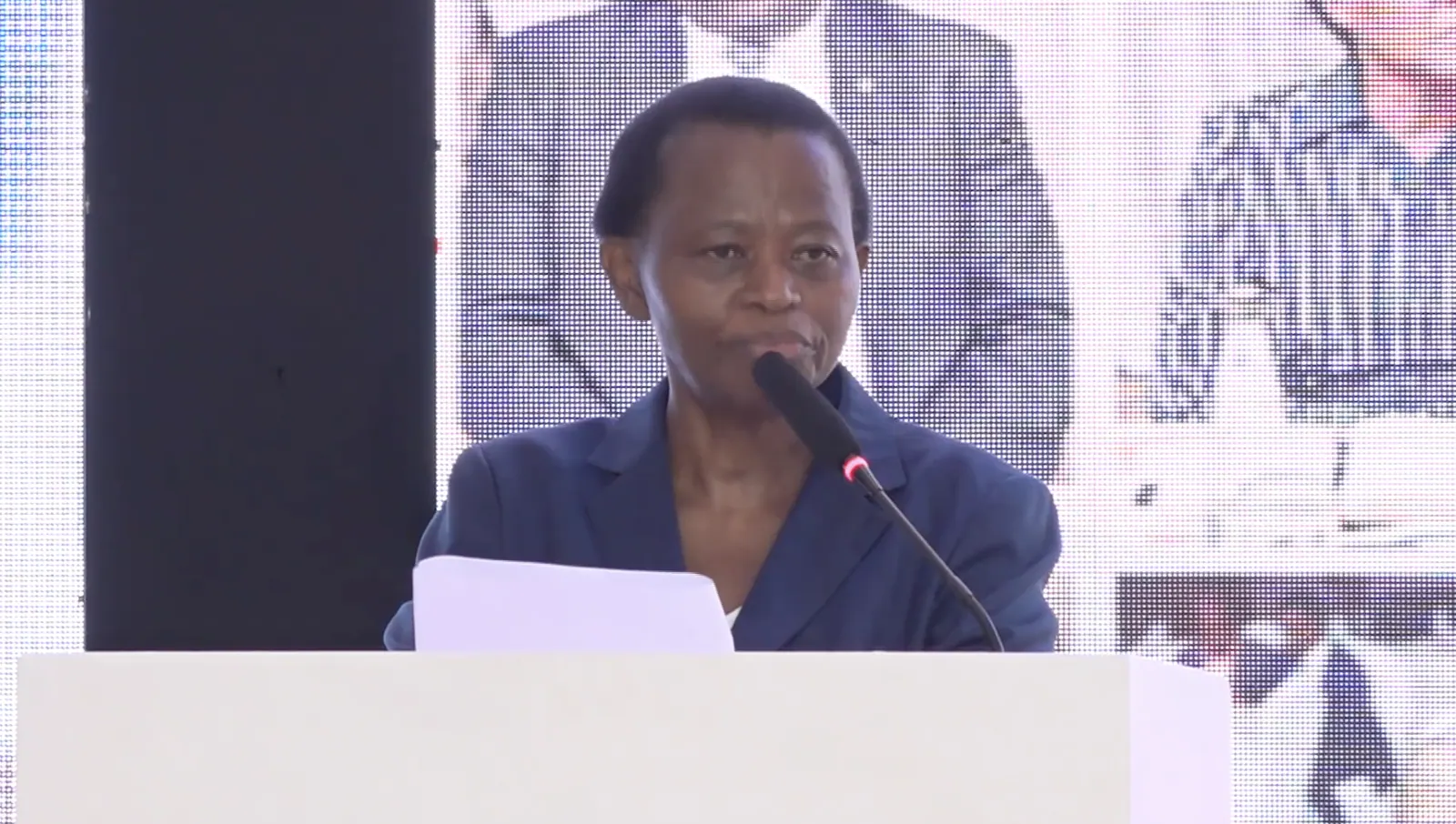
The Head of Public Service and Secretary to the Cabinet in Uganda has emphasized the need for a shift from prolonged dialogue to concrete action on the country's development financing challenges. According to him, stakeholders have spent too much time discussing problems that are already well understood. Instead, they should focus on identifying and implementing reforms capable of transforming the country's economic landscape. This call for action comes at a critical time when Uganda is seeking to expand its economy significantly.
Uganda has set an ambitious target to expand its economy from about $50 billion to $500 billion by 2040. Achieving this goal will require significant investments and reforms in various sectors of the economy. The government is aware that the current pace of economic growth is not sufficient to meet this target, and therefore, there is a need for urgent and concrete actions. Stakeholders are expected to come up with innovative solutions to address the country's development financing challenges.
The country's economic development is critical to improving the standard of living of its citizens. Uganda has made significant progress in recent years, but there are still many challenges that need to be addressed. The government has identified several areas that require attention, including infrastructure development, human capital development, and private sector growth. By focusing on these areas, the government aims to create a favorable business environment that will attract investments and stimulate economic growth.
The Head of Public Service and Secretary to the Cabinet's call for concrete action is a clear indication that the government is committed to achieving its economic development goals. The government has already put in place several initiatives aimed at promoting economic growth, including the National Development Plan. However, more needs to be done to ensure that the country's economy grows at a faster pace. The government is expected to work closely with the private sector and other stakeholders to identify and implement reforms that will drive economic growth.
One of the key challenges facing Uganda's economy is the limited access to finance for small and medium-sized enterprises. Many Ugandans are unable to access credit from formal financial institutions, which has hindered the growth of the private sector. The government has put in place several initiatives aimed at increasing access to finance, including the establishment of the Uganda Development Bank. However, more needs to be done to ensure that small and medium-sized enterprises have access to the finance they need to grow.
The government is also aware that corruption is a major challenge to economic development in Uganda. Corruption has hindered the growth of the private sector and has limited the government's ability to provide essential services to its citizens. The government has put in place several initiatives aimed at fighting corruption, including the establishment of the Anti-Corruption Court. However, more needs to be done to ensure that corruption is reduced to a minimum.
In conclusion, the government of Uganda is committed to achieving its economic development goals. The Head of Public Service and Secretary to the Cabinet's call for concrete action is a clear indication that the government is serious about addressing the country's development financing challenges. With the right policies and reforms in place, Uganda can achieve its goal of expanding its economy to $500 billion by 2040.
Key points
- The government of Uganda aims to expand its economy from $50 billion to $500 billion by 2040.
- The Head of Public Service and Secretary to the Cabinet has called for a shift from prolonged dialogue to concrete action on Uganda's development financing challenges.
- Corruption and limited access to finance are major challenges to economic development in Uganda.