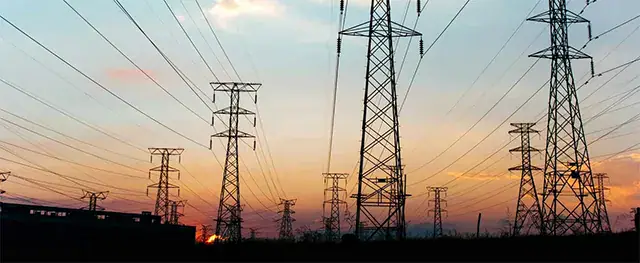
The Ministry of Energy and Mineral Development has warned that Uganda may face an electricity shortage of nearly one gigawatt by 2030 if investments in power generation and transmission are not accelerated. The country's current installed generation capacity is approximately 2,100 megawatts, but some licensed power projects cannot supply electricity to the national grid due to inadequate transmission infrastructure. Operational challenges are also limiting the availability of existing plants.
The country's peak electricity demand reached 1,400 megawatts in June 2026, against a firm generation capacity of approximately 1,650 megawatts. Demand is projected to grow by 15 percent annually, creating a challenging balance between electricity supply and consumption. Eng. Julius Wamala, Assistant Commissioner for Generation at the Ministry of Energy and Mineral Development, stated that if no action is taken, the country may face deficits of 130 megawatts in 2027, 270 megawatts in 2028, and almost 500 megawatts in 2029.
By 2030, the deficit is expected to reach almost one gigawatt. Wamala emphasized the need for the sector to work together to prevent a supply crisis. The projections raise questions about whether planned investments in generation and transmission can be delivered quickly enough to prevent a supply crisis, given that existing generation and transmission infrastructure are already facing constraints.
Dr. Frank Ssebowa, former Chief Executive Officer of the Electricity Regulatory Authority, noted that expanding generation without corresponding investments in transmission infrastructure could leave the country with electricity it cannot deliver to consumers. He explained the problem of deemed energy, which arises when a power plant is ready to generate electricity but cannot supply it due to unavailable transmission infrastructure.
Ssebowa stated that the country had approximately 5,300 kilometers of transmission lines by the end of 2025 but needed considerably more to meet its electricity ambitions. He questioned the sequencing of generation and transmission investments, arguing that infrastructure bottlenecks must be addressed before additional generation projects are developed. The Ministry of Energy has indicated that approximately 325 megawatts of licensed renewable energy projects are yet to become operational.
The Ministry is considering reinforcing substations in the Rwenzori region, where network limitations are preventing the evacuation of approximately 14 megawatts. Other proposed interventions include optimizing small hydropower plants, which could unlock approximately 30 megawatts. Eng. Isaac Arinaitwe, Chief Projects Officer at the Uganda Electricity Generation Company Limited, identified operational challenges at Karuma Hydropower Plant as a major challenge affecting the country's ability to meet rising demand.
The government targets an increase in Karuma's utilization from approximately 21 percent to more than 50 percent by 2027. Arinaitwe attributed the increase in Karuma's average generation to rising electricity demand but identified floating vegetation and debris from Lake Kyoga as a major challenge affecting the plant's operations. The problem resulted in significant generation losses last year, equivalent to losing a unit throughout the whole year or putting the plant out of operation for a whole month.
Key points
- Uganda's peak electricity demand reached 1,400 megawatts in June 2026.
- The country may face a 1,000 megawatt electricity shortage by 2030.
- The Ministry of Energy is considering reinforcing substations and optimizing small hydropower plants to address the shortage.
Reporting sources
- Why Uganda faces 1,000mw power shortfall by 2030 · The Independent magazine