Uganda's economy has posted mixed results in August 2026, with household spending and business registrations on the rise. According to the Ministry of Finance, Planning and Economic Development's Microeconomic Indicator Dashboard, household final consumption expenditure increased by 4.7 percent, from Shs36.1 trillion in the third quarter of the 2025/26 financial year to Shs37.8 trillion in the fourth quarter. This increase is attributed to rising food prices, which have weighed heavily on household budgets.
Inflation for food and non-alcoholic beverages rose by 0.5 percent in August, compared with a 0.5 percent decline in July. Specifically, food inflation increased by 0.6 percent, while Energy, Fuels and Utilities inflation slowed from 2.9 percent in July to 0.2 percent in August. Liquid energy fuel inflation increased by 0.1 percent, largely due to slight increases in the prices of diesel and liquefied petroleum gas. These changes have had a significant impact on household budgets.
Despite the increase in household spending, investment declined during the period. Gross fixed capital formation fell by 1.9 percent, from Shs14.46 trillion in the third quarter to Shs14.19 trillion in the fourth quarter of the 2025/26 financial year. Additionally, export earnings dropped by 6.4 percent, from Shs17.25 trillion to Shs16.15 trillion. This decline in investment and export earnings has raised concerns about the country's economic performance.
However, Uganda's trade deficit narrowed sharply in July, falling by 64.9 percent from US$597.93 million in June to US$210.03 million. The improvement came as earnings from coffee and gold increased. Coffee receipts rose to US$204.94 million, while gold brought in US$788.45 million. This significant reduction in the trade deficit is a positive sign for the country's economy.
Business registrations also increased, with the number of new businesses rising from 2,092 in July to 2,142 in August. This represents a small but significant increase in entrepreneurial activity. On the Uganda Securities Exchange, the All Share Index rose by five percent to 2,248.47 points, helped by gains in National Insurance Corporation Holdings and Bank of Baroda Uganda.
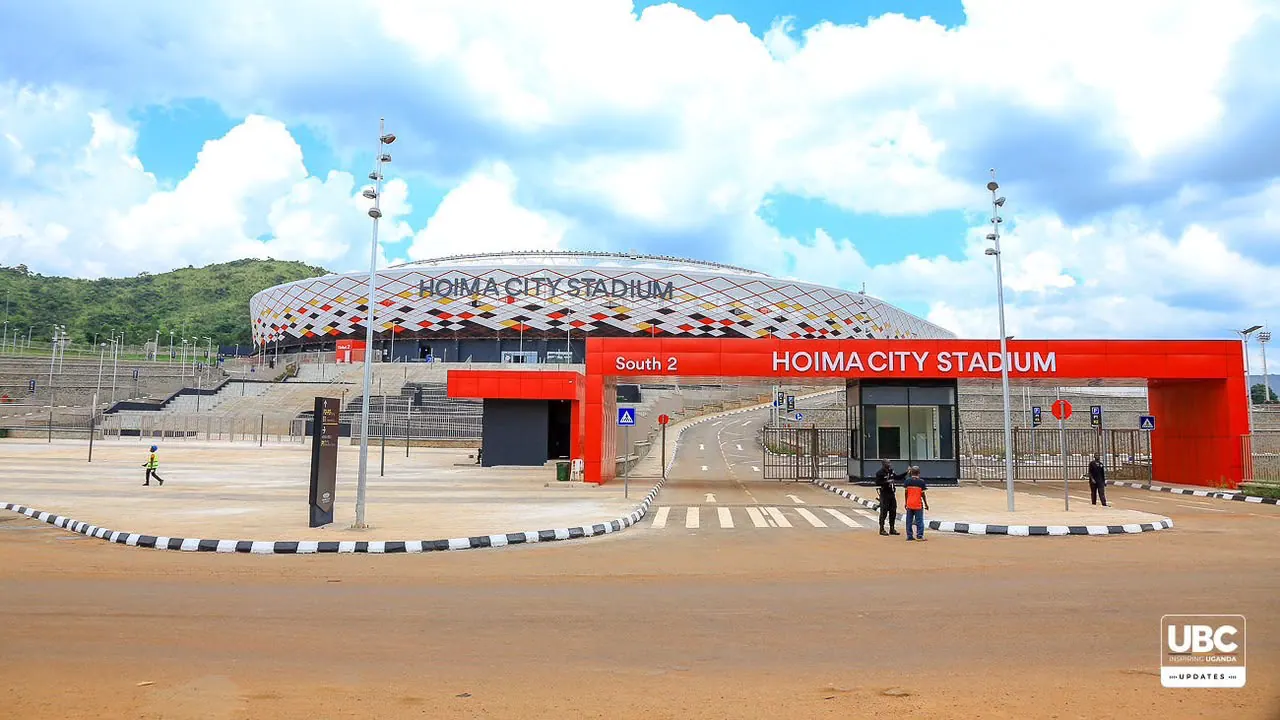
The National Social Security Fund also reported a 26 percent increase in assets under management, reaching Shs32.8 trillion in the 2025/26 financial year. This significant increase in assets is a positive sign for the country's social security system. Attention is also turning to tourism and hospitality as Uganda prepares to co-host the 2027 Africa Cup of Nations with Kenya and Tanzania.
The Ministry of Finance expects the tournament to increase demand for accommodation and other tourism services as teams, officials and supporters travel across the region. The government wants the national average hotel occupancy rate to rise from 53.2 percent in the 2024/25 financial year to 55.3 percent by 2029/30. New hotels are entering the market ahead of an expected increase in visitor numbers, including the Kampala Marriott Hotel and Executive Apartments in Nsambya, which has added 181 guestrooms and suites and 96 serviced apartments.
Key points
- Uganda's economy posts mixed results in August 2026, with household spending and business registrations rising, while investment and export earnings decline.
- The country's trade deficit narrows sharply in July, driven by increased earnings from coffee and gold.
- Uganda prepares to co-host the 2027 Africa Cup of Nations, with the government expecting an increase in demand for accommodation and tourism services.