The Ugandan government has stated that its military will not provide support to armed groups operating in eastern Democratic Republic of Congo (DRC), including Wazalendo and Abacanshuro, who are accused of killing innocent civilians, including Hutu and Tutsi communities. This statement comes after Congo summoned Uganda's ambassador to Kinshasa, demanding an explanation for a recent statement made by Uganda's Chief of Defense Staff, General Muhoozi Kainerugaba.
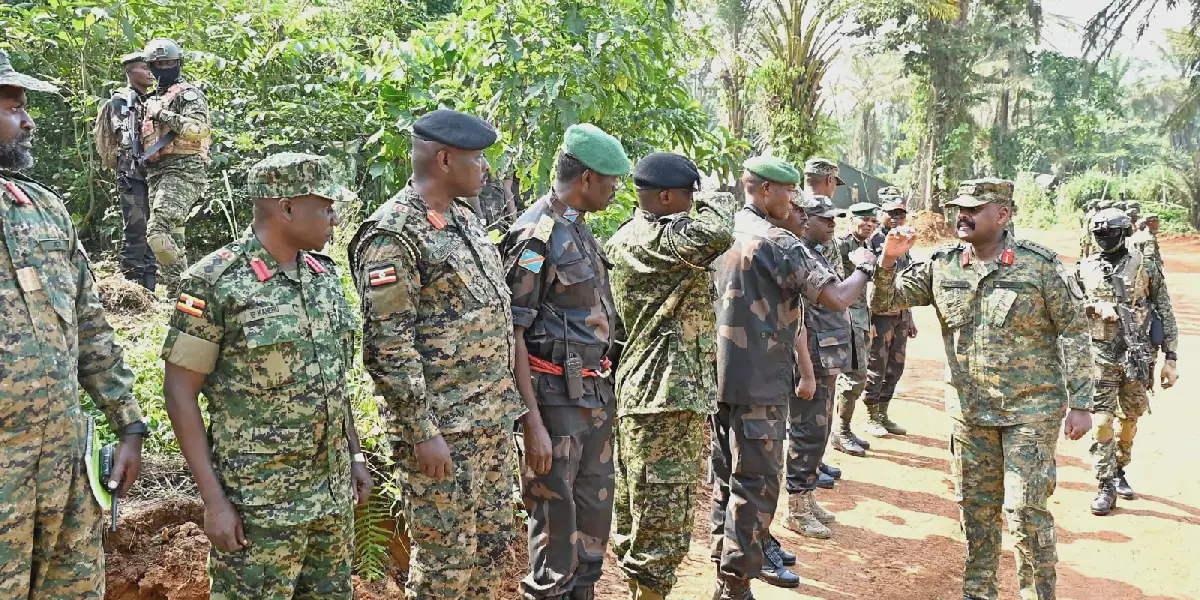
General Kainerugaba had expressed support for the FRN militia group taking control of the Walikale region and suggested that Ugandan forces could potentially capture it. The Ugandan military's spokesperson, Colonel Chris Magezi, stated that Uganda is committed to continuing joint military operations with Congo's forces to combat the Allied Democratic Forces (ADF) militia group. These operations, known as "Operation Shujaa," aim to neutralize the ADF, which has splintered into smaller groups due to pressure from the joint forces.
Colonel Magezi emphasized that Uganda will continue to pursue ADF fighters and leaders, including Musa Baluku, wherever they may be hiding, including in the Isiro region of Haut-Uele province. The joint operations between Uganda and Congo are based on a memorandum of understanding that governs military cooperation. Magezi also warned that there are other armed groups operating in the region, including Wazalendo, which is accused of carrying out attacks on civilians, particularly targeting Hutu and Tutsi communities in Ituri and North Kivu provinces.
According to Colonel Magezi, these armed groups, including Wazalendo, are responsible for killing women and children, and their actions are considered a threat to regional stability. Uganda's military has a responsibility to protect civilians from such threats, in accordance with international humanitarian law. The Ugandan government has reiterated its commitment to supporting a peaceful resolution to the conflict in eastern Congo through dialogue between the Congolese government and armed groups.
However, Colonel Magezi made it clear that Uganda will not support or facilitate the activities of foreign militia groups that contribute to insecurity in eastern Congo. The region has experienced ongoing violence, with various armed groups vying for control, leading to significant humanitarian challenges. Uganda's stance aims to promote stability and security in the region.
The situation in eastern Congo remains volatile, with frequent clashes between government forces and armed groups. The international community has expressed concern over the humanitarian situation, with thousands of civilians displaced due to the violence. Efforts to broker peace and stabilize the region continue, with Uganda and other regional actors playing a role.
The conflict in eastern Congo has a complex history, with multiple armed groups operating in the region. The Ugandan military's operations against the ADF have been ongoing, with the goal of neutralizing the group's threat to regional stability. The situation remains a priority for regional and international attention.
Key points
- Uganda denies supporting militia groups in Congo accused of killing civilians.
Reporting sources
- Uganda yabwiye Congo ko itazareberera Wazalendo n’abacanshuro bica Abatutsi · https://umuseke.rw/