Andrew Mwenda, a Ugandan political analyst, has suggested that the Ugandan government may start collaborating with the Front pour la Refondation de la Nation (FRN), a group led by former Democratic Republic of Congo President Joseph Kabila. This potential collaboration aims to find a lasting solution to the security challenges in the region. Mwenda made these remarks after speaking with high-ranking officials in Uganda's military and government.
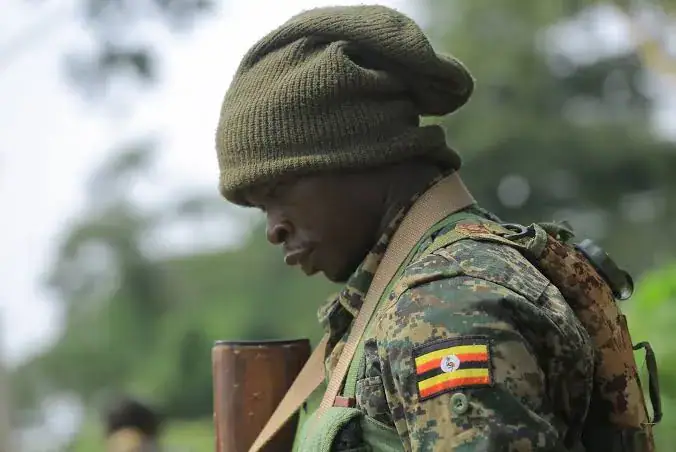
The Ugandan government is increasingly concerned about the continued attacks and violence in the Ituri, North Kivu, and South Kivu provinces of the Democratic Republic of Congo. The Allied Democratic Forces (ADF) has been blamed for the attacks, and Uganda's military, the UPDF, may expand its operations to capture the group's leader, Musa Baluku. Gen. Muhoozi Kainerugaba, Uganda's Chief of Defense Forces, had previously announced plans to take the fight to the ADF.
Mwenda noted that Uganda's concerns about human rights abuses in the Democratic Republic of Congo, particularly against the Hutu and Tutsi communities, are growing. He emphasized that Uganda's potential collaboration with the FRN does not imply support for or involvement in human rights abuses committed by the Congolese military or allied groups. The FRN, established in October 2023, is a new political and military group led by Joseph Kabila, who previously headed the African Front for Change and Reconciliation (AFC/M23).
According to Mwenda, Uganda views the FRN as a key player in protecting civilians in eastern Democratic Republic of Congo and is interested in collaborating with the group. The FRN has established a presence in some areas of North and South Kivu provinces, and Uganda believes that working with the group could help stabilize the region. Mwenda's comments suggest that Uganda is exploring new diplomatic channels to address the security situation in the Democratic Republic of Congo.
Mwenda proposed that a regional approach, involving the East African Community (EAC) and the Southern African Development Community (SADC), could help resolve the security challenges in the Democratic Republic of Congo. He argued that negotiations between the Congolese government and various armed groups, including the FRN, are necessary to achieve lasting peace. Previous talks in Doha, Qatar, and Washington, D.C. have been deemed insufficient, as they did not adequately address the concerns of all parties involved.
The security situation in eastern Democratic Republic of Congo remains volatile, with various armed groups, including the ADF, operating in the region. Uganda's potential collaboration with the FRN could have significant implications for regional stability. However, it is unclear how the Congolese government will respond to Uganda's overtures, and whether the FRN will be willing to engage in negotiations.
The development highlights the complexities of the conflict in eastern Democratic Republic of Congo and the need for a comprehensive and inclusive approach to address the security challenges in the region. Key regional players, including Uganda, the EAC, and SADC, will likely play a crucial role in shaping the future of the Democratic Republic of Congo.
Key points
- Uganda may collaborate with Joseph Kabila's FRN to address security concerns in eastern Democratic Republic of Congo.
Reporting sources
- NI IMPAMO DA! 27 NOV, 18:47 Uganda mu nzira z'imikoranire na FRN ya Joseph Kabila · https://www.kigalitoday.com/