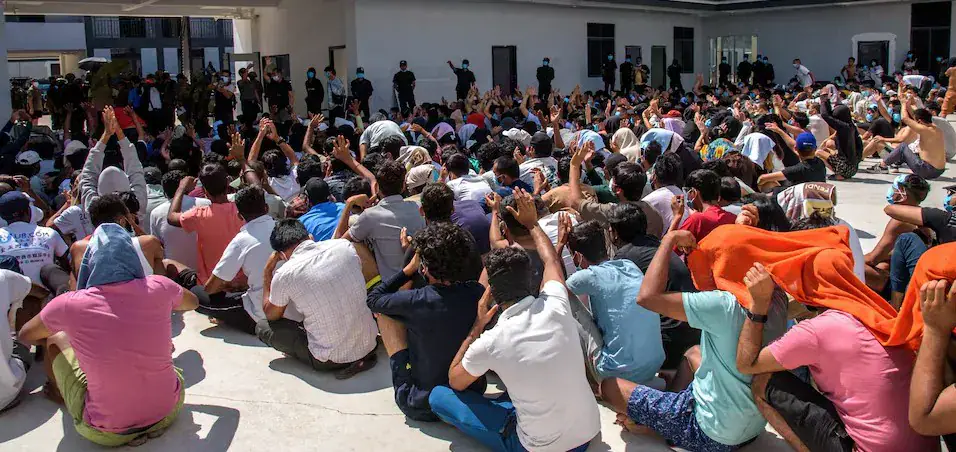
Uganda is set to receive its first group of nationals rescued from Myanmar human-trafficking operations on Thursday. The convoy of 20 Ugandan nationals was rescued through a coordinated operation involving the Uganda High Commission in Kuala Lumpur, the Myanmar-based non-profit EDEN, the International Organisation for Migration, and the UK Embassy in Myanmar. This rescue marks the start of a larger repatriation effort to bring home 631 Ugandan citizens trapped in trafficking networks across Myanmar's border regions.
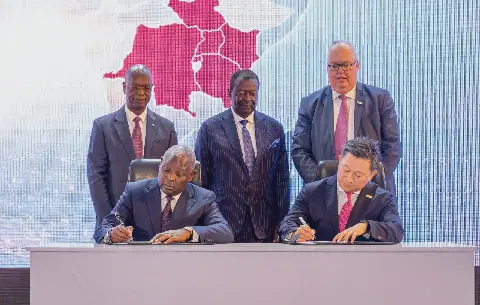
The repatriation effort is a result of a collaborative operation between Uganda and international partners. Uganda's Foreign Minister Adonia Ayebare expressed gratitude to the partners for their role in securing the release and evacuation of the victims. The first group of 20 nationals is expected to arrive in Kampala on Thursday, with a second group expected to be flown back before the end of December 2026.
The trafficking syndicates operating in Myanmar's lawless border zones have targeted young people from East Africa, luring them with false promises of jobs in Thailand before forcing them into online-fraud compounds. This has highlighted the vulnerability of East African governments in protecting their nationals from such predatory networks abroad.
Kenya, which faces a similar threat, has recently taken steps to enhance its diplomatic presence in the region. Kenya appointed an honorary consul to handle consular matters for its citizens in the region, underscoring the limited diplomatic presence of East African states in Southeast Asia. This move aims to improve the country's ability to protect its nationals from trafficking networks.
The repatriation of Ugandan nationals from Myanmar trafficking rings underscores the need for East African governments to establish robust consular infrastructure to protect their citizens abroad. The lack of diplomatic presence in Southeast Asia has made it challenging for these governments to effectively respond to the trafficking threat.
The International Organisation for Migration and other international partners have been working closely with Uganda to secure the release of its nationals from trafficking networks. The organisation has played a crucial role in facilitating the repatriation effort, providing support to the victims, and working with governments to prevent further trafficking.
The successful repatriation of Ugandan nationals from Myanmar trafficking rings highlights the importance of international cooperation in combating human trafficking. The effort demonstrates that with collaborative action, governments and international partners can work together to protect vulnerable citizens and bring perpetrators to justice.
Key points
- Uganda to receive 631 nationals trapped in Myanmar trafficking networks
- East African governments lack robust consular infrastructure to protect nationals from trafficking networks
- International cooperation crucial in combating human trafficking