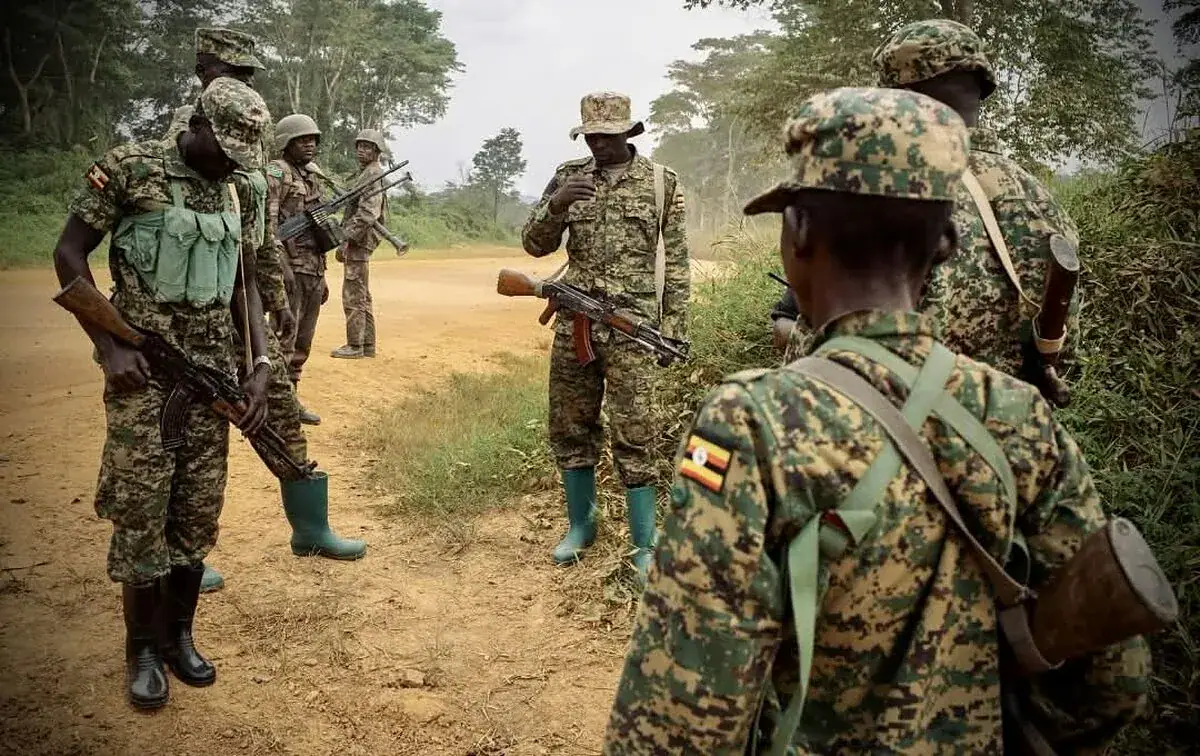
The Ugandan army, known as UPDF, has announced its withdrawal from Lubero in the eastern Democratic Republic of Congo after nearly two years of presence. The withdrawal, which marks a new stage in their intervention on Congolese soil, will see the responsibility of securing this part of eastern DRC transferred to the Forces armées de la RDC (FARDC). According to details, UPDF units have been present in Lubero since January 2025, with the primary mission of pursuing residual elements of the Allied Democratic Forces (ADF).
The ADF, a militant group responsible for numerous violent acts against civilians, had retreated to the Lubero area after facing pressure from military operations in the north and in the province of Ituri. The Ugandan intervention was part of a joint military operation called "Shujaa," launched in November 2021 by the Congolese and Ugandan governments to combat armed groups operating in eastern DRC. The operation specifically targeted the ADF, which has been responsible for widespread violence against civilians.
The announcement of the Ugandan withdrawal comes amid strained diplomatic relations between Kinshasa and Kampala. Recently, relations between the two countries were put to the test following several controversial statements by Ugandan army chief of staff, General Muhoozi Kainerugaba, published on social media. In reaction to these statements, Congolese Foreign Minister Thérèse Kayikwamba Wagner summoned the Ugandan ambassador to DRC to demand official explanations for the general's comments.
General Kainerugaba's statements criticized the presence of foreign mercenaries on Congolese territory and expressed support for the takeover of Walikale by rebels from the Front pour la Refondation de la Nation (FRN), a movement led by former President Joseph Kabila. He also mentioned the presence of ADF leaders around Isiro and expressed support for a potential conquest of the city. Furthermore, he highlighted the close relationship between Uganda and Rwanda, describing them as "twin countries."
In response to General Kainerugaba's statements, Foreign Minister Thérèse Kayikwamba Wagner expressed deep concern, considering them a significant media incident that could undermine diplomatic relations and compromise the reserve and restraint that should characterize relations between sovereign states. The Ugandan army's withdrawal from Lubero is a significant development in the security setup of this part of North Kivu.
It remains to be seen how the transfer of responsibilities to FARDC will be carried out and their ability to maintain pressure on armed groups after the departure of Ugandan forces. The situation is being closely watched, as the security landscape in eastern DRC continues to evolve. The withdrawal of Ugandan troops may have implications for the balance of power in the region and the fight against armed groups.
The development also raises questions about the future of joint military operations between Uganda and DRC, as well as the role of other international actors in the region. As the situation unfolds, it is clear that the security situation in eastern DRC remains complex and fluid, with multiple factors at play. The international community is closely monitoring the situation, which has significant implications for regional stability.
Key points
- The Ugandan army's withdrawal from Lubero transfers security responsibilities to DRC forces.
- The withdrawal comes amid strained diplomatic relations between Kinshasa and Kampala.
- The situation in eastern DRC remains complex, with multiple factors at play.