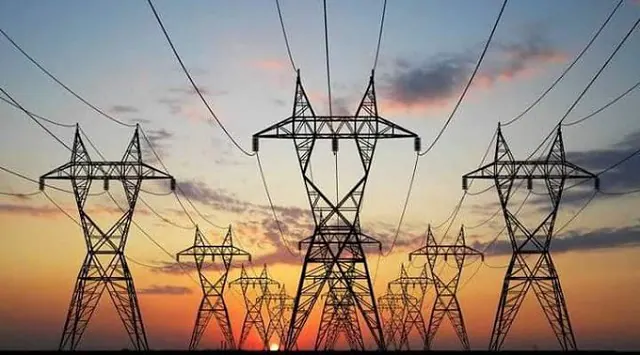
Uganda and South Sudan have taken a significant step towards integrating their electricity networks with the technical launch of the South Sudan-Uganda Power Interconnection Project (SUPIP). The project, backed by the African Development Bank Group, aims to expand regional electricity trade and improve power supply in one of East Africa's least electrified countries. The project involves the construction of approximately 299 kilometres of 400-kilovolt double-circuit transmission line between the two countries.
The SUPIP project is designed to connect South Sudan to the Eastern Africa Power Pool, create a market for Uganda's surplus electricity, and strengthen the reliability and affordability of power supply across the border. The project is being implemented by the Uganda Electricity Transmission Company Limited (UETCL) and marks an important milestone following the fulfilment of conditions for the effectiveness and first disbursement of African Development Fund financing for Uganda, effective July 13, 2026.
The project involves the construction of a 150-kilometre 400-kilovolt transmission line from Olwiyo substation to Bibia, near the South Sudan border, on the Ugandan side. The works will also see the construction of a new 400/132/33-kilovolt substation at Bibia, extension of the Karuma substation, and upgrading of the Olwiyo substation. This infrastructure is expected to strengthen transmission capacity in northern Uganda, improve utilisation of existing generation, and create opportunities for further regional power exports.
Commissioner for Electrical Power Eng. Cecilia Menya Nakiranda, representing the Ministry of Energy and Mineral Development's Permanent Secretary, Eng. Irene Pauline Bateebe, said the exercise was intended to establish a shared understanding of the African Development Bank's implementation requirements. These requirements include procurement, financial management, disbursement, environmental and social safeguards, monitoring, reporting, and legal obligations.
Eng. Edward Ssekulima Baleke, a principal energy officer in the Ministry's Electricity Supply Division, said the project would serve both countries' electricity needs while strengthening regional integration. He said the interconnection would improve the reliability and affordability of electricity in South Sudan while creating an export market for Uganda's available generation capacity. The project is expected to enable electricity exports and create opportunities for further regional power exports.
The African Development Bank is providing a loan of 91.7 million units of account, approximately $121 million, or Shs 473.51 billion, alongside government counterpart financing. The financing provides a foundation for implementation, but the project must still navigate procurement, environmental and social safeguards, land acquisition, and resettlement requirements. Baba Fatajo, Chief Regional Power Systems Officer at the African Development Bank, manages regional infrastructure and power interconnection.
The project is expected to have a significant impact on the region, improving the reliability and affordability of electricity in South Sudan and creating an export market for Uganda's available generation capacity. The launch of the project marks an important milestone in the implementation of the SUPIP, and the project is expected to be completed in the near future. The project will be jointly procured by Uganda and South Sudan, with the supervision consultant and the main engineering, procurement, and construction contractors responsible for the transmission line and substations.
Key points
- The project aims to expand regional electricity trade and improve power supply in one of East Africa's least electrified countries.
- The project involves the construction of approximately 299 kilometres of 400-kilovolt double-circuit transmission line between Uganda and South Sudan.
- The African Development Bank is providing a loan of $121 million to support the implementation of the project.