The economy of the West African Economic and Monetary Union (UEMOA) continued to show resilience in the second quarter of 2026, with an estimated growth rate of 6.0% compared to 6.1% in the previous quarter. According to Aboubakar Nacanabo, President of the UEMOA Council of Ministers, this performance is significant given the ongoing international economic challenges, particularly the conflict in the Middle East.
The conflict in the Middle East, which began in February 2026, has had a lasting impact on global economic and financial balances. Despite these challenges, Nacanabo emphasized that the UEMOA's economy has demonstrated resilience. However, he cautioned against underestimating the fragilities associated with the international economic situation. The growth in Q2 was driven by all sectors of the economy.
Inflation in the UEMOA region stood at 0.4% in the second quarter, up from -0.2% in the previous quarter. This increase is primarily attributed to higher transportation costs, which resulted from increased petroleum product prices in most member states. Additionally, housing and certain food product prices contributed to the inflationary trend. For 2026, the average inflation rate is projected to be 1.0%, up from 0.0% in 2025.
The UEMOA's external position also strengthened in Q2 2026, supported by increased exports of gold, cotton, cocoa, and petroleum products. According to Nacanabo, these results reflect the dynamism of the extractive and manufacturing industries, commercial activities, and services. The outlook for the 2026/2027 agricultural season is also favorable.
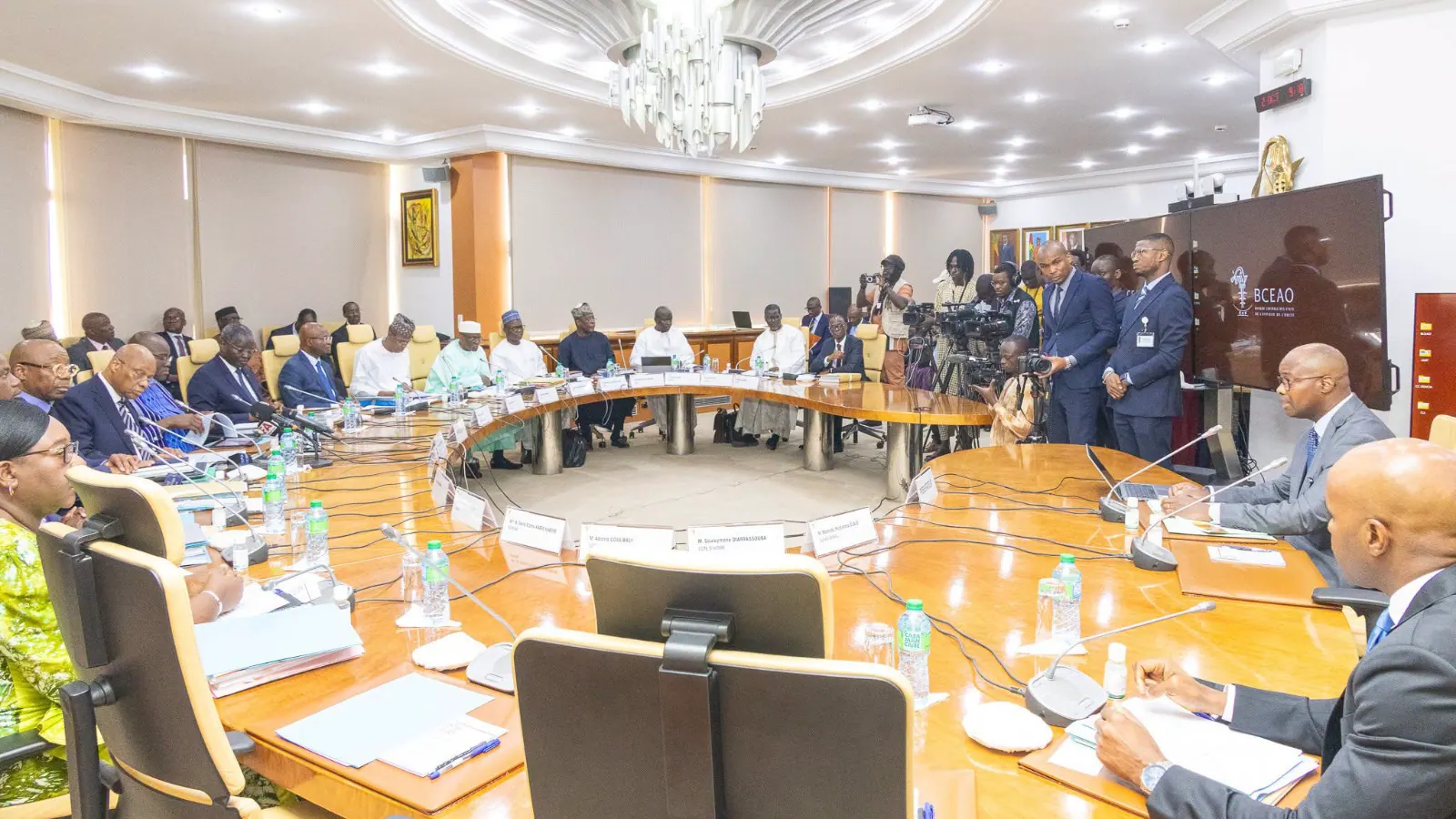
Despite these positive trends, Nacanabo urged caution, citing ongoing international uncertainties, country-specific situations, and the growing impacts of climate change. He emphasized the need to consolidate gains, reduce vulnerabilities, and transform short-term economic performance into sustainable progress. The Council of Ministers meeting is not just a routine institutional event but a collective responsibility to ensure the stability and economic integration of the region.
The UEMOA Council of Ministers' agenda includes several key community dossiers aimed at advancing economic and monetary integration. These include a draft directive on community regulation of public markets within the UEMOA and a decision on the adoption of the Regional Social Protection Strategy 2026-2035. The Council will also review the annual accounts of the West African Monetary Union's (AMF-UMOA) financial markets authority for the 2025 financial year.
Discussions also centered on the participation of the issuing institute and commercial banks in the WAEMU. The meeting reflects the ongoing efforts to enhance economic cooperation and stability within the region. Key Point: UEMOA's economy grew 6.0% in Q2 2026. Key Point: Inflation stood at 0.4% in Q2 2026. Key Point: The region's external position strengthened due to increased exports.