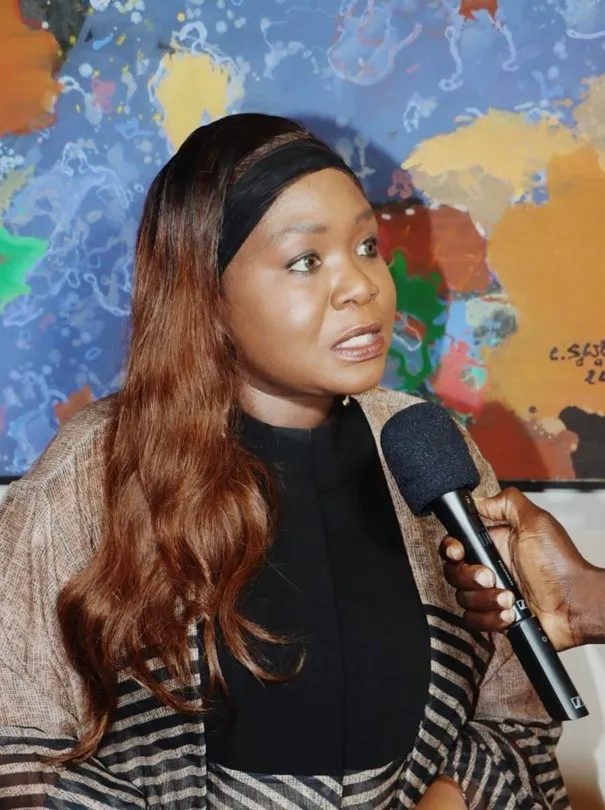
The Director of the Private Sector at the West African Economic and Monetary Union (Uemoa), Khady Evelyne Denise Ndiaye, has outlined the union's strategy to boost the competitiveness of its private sector. Speaking at a workshop in Ouagadougou, Ndiaye noted that while the private sector is dynamic, it faces significant challenges, including limited access to financing, high production costs, and inadequate regulatory frameworks. She emphasized that 90% of Uemoa's enterprises are micro, small, and medium-sized enterprises (MSMEs) that struggle to compete.
Ndiaye highlighted that the industrial sector's contribution to the union's gross domestic product (GDP) varies between 12% and 27% across member states. The sector is largely composed of MSMEs, which focus on domestic markets. Despite abundant agricultural and industrial resources, Uemoa struggles to extract significant value added from them. For instance, most cashew nuts are exported in their raw form, with only 20% of agricultural production being processed locally.
To address these challenges, Uemoa has adopted a Strategy for Private Sector Development (Sdsp) and a strategy to promote public-private dialogue (Dpp). The Sdsp, launched in March 2026, aims to enhance the competitiveness of Uemoa's private sector by 2030. The strategy focuses on diversifying financial instruments, strengthening enterprise capacities, and improving the business environment. A budget of 11.6 billion CFA francs has been allocated for the strategy's implementation from 2026 to 2030.
Access to financing remains a significant obstacle for MSMEs. Ndiaye stated that the strategy aims to provide diversified financing options, including credit, participatory financing, and microfinance. The plan also involves developing financial guarantees, promoting venture capital, and enhancing financial education. Furthermore, Uemoa seeks to improve the accessibility of financial instruments and strengthen the capacities of MSMEs to access these resources.
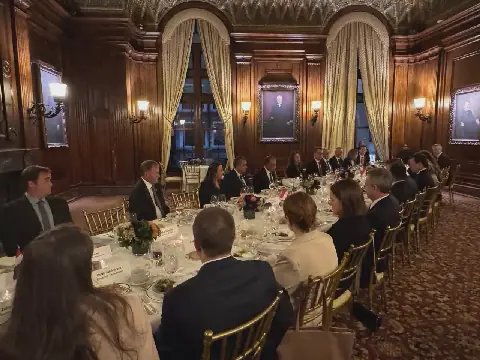
The Sdsp is complemented by a plan to promote public-private dialogue. Ndiaye noted that effective dialogue requires a structured framework, which Uemoa aims to establish through a regional forum and national dialogue platforms. The goal is to harmonize regulatory frameworks and facilitate the exchange of information between governments and private sector actors. This will enable the identification of challenges and the development of targeted solutions.
Uemoa's efforts to boost its private sector also involve the development of strategic sectors, such as energy and digital economy. The union aims to establish poles of energy development, which will help reduce energy costs and enhance competitiveness. Additionally, Uemoa is working on a regional program for the digital economy, which will support the growth of MSMEs and promote entrepreneurship.
The implementation of these strategies is expected to yield positive results, including increased value added from Uemoa's resources and enhanced competitiveness of its private sector. Ndiaye emphasized that Uemoa's goal is to create a highly competitive entrepreneurial fabric, which will drive economic growth and development in the region. The union's initiatives, such as the Tremplin Startup program, are already providing support to entrepreneurs and MSMEs.
Key points
- Uemoa has allocated 11.6 billion CFA francs to implement its Strategy for Private Sector Development from 2026 to 2030.
- The union aims to enhance access to financing for MSMEs through diversified financial instruments and strengthened capacities.
- Uemoa seeks to establish a structured framework for public-private dialogue to facilitate the exchange of information and identify challenges.