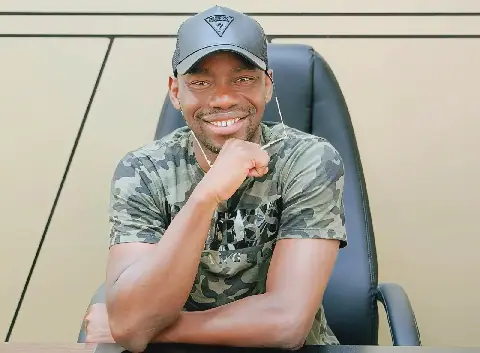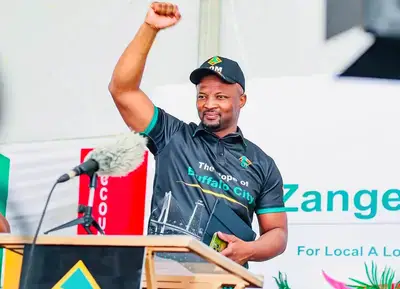
The United Democratic Movement (UDM) is engaged in coalition talks with other opposition parties in Buffalo City Metro, South Africa, in an effort to gain control of the city from the African National Congress (ANC). UDM deputy president Nqabayomzi Kwankwa, who is also the party's mayoral candidate, has stated that his future in the city depends on the outcome of these talks. If successful, Kwankwa could become the city's new mayor, but failure would mean returning to his seat in parliament as a UDM member of parliament.
In the recent elections, the ANC failed to secure a 50% plus one majority, with the UDM emerging as the second most popular party, garnering 18.39% of the vote. This gave the UDM 16 proportional representative seats and three ward councillor seats in the 100-member council. The ANC won 42 seats, down from over 60 seats in the previous council. The Democratic Alliance (DA) came in third with 16.85% of the vote, securing 17 PR and ward councillor seats, while the Economic Freedom Fighters (EFF) obtained 6.79%.
Kwankwa had initially planned to join forces with the South African Communist Party (SACP) and other small political parties to attain a majority in the city. However, after the SACP agreed in principle to work with the UDM, they allegedly stopped taking Kwankwa's calls. The UDM later learned through social media that the SACP had decided to work with the ANC, a move that could hinder the UDM's ambitions to gain control of the city.
Despite the setback, Kwankwa remains hopeful that further negotiations will take place, and the UDM will still be able to attain a majority in the metro. If this fails, Kwankwa will have to vacate his PR seat in Buffalo City Metro and return to his seat in parliament as a UDM MP. Kwankwa had made it clear to his party before the elections that he would return to parliament if he failed to become the mayor of Buffalo City Metro.
There are unconfirmed reports that the ANC, EFF, and SACP might join forces in Buffalo City Metro, giving them a total of 54 council seats and majority control of the council. This would leave the UDM on the opposition benches. The ANC's regional secretary, Anele Lizo, did not confirm these rumors but stated that party negotiations for the metro would be handled by their national bosses.
The SACP has commenced a consultative conference with other like-minded political parties, including the EFF and MKP, to discuss coalition talks. Kwankwa's future in Buffalo City Metro remains uncertain, with the outcome of the coalition talks set to determine whether he becomes the city's mayor or returns to parliament.
The UDM's performance in the elections has been seen as a significant achievement, with the party surpassing both the DA and EFF in terms of vote share. The party's 18.39% vote share translates to 91,460 votes, a substantial increase from their previous one seat in the council. As the coalition talks continue, the UDM's next move will be crucial in determining the future of Buffalo City Metro.
Key points
- UDM deputy president Nqabayomzi Kwankwa faces a choice between becoming the mayor of Buffalo City Metro or returning to his seat in parliament as a UDM MP.
- The UDM garnered 18.39% of the vote in the recent elections, becoming the second most popular party in the city.
- Coalition talks between the UDM and other opposition parties are ongoing, with the outcome set to determine the future of Buffalo City Metro.
Reporting sources
- It's mayor or back to parliament for UDM's Nqabayomzi Kwankwa · Daily Dispatch